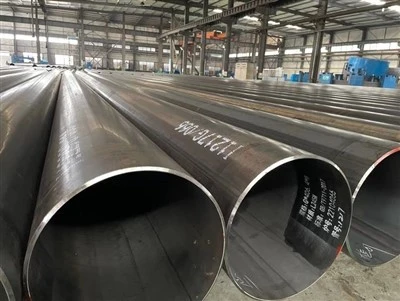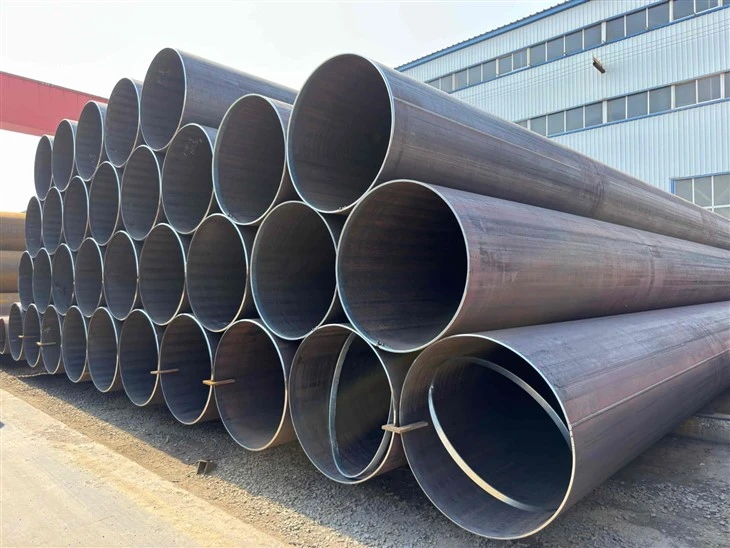

Tianjin Brisk Metalwork Co., Ltd. is one of the leading manufacturers and suppliers of SAWL coated steel pipe in China. We have world-leading production equipment and strong manufacturing capabilities. Please feel free to buy bulk durable SAWL coated steel pipe from our factory.
PRODUCT
Tianjin Brisk Steel focus on produce and supply hollow section and steel pipe


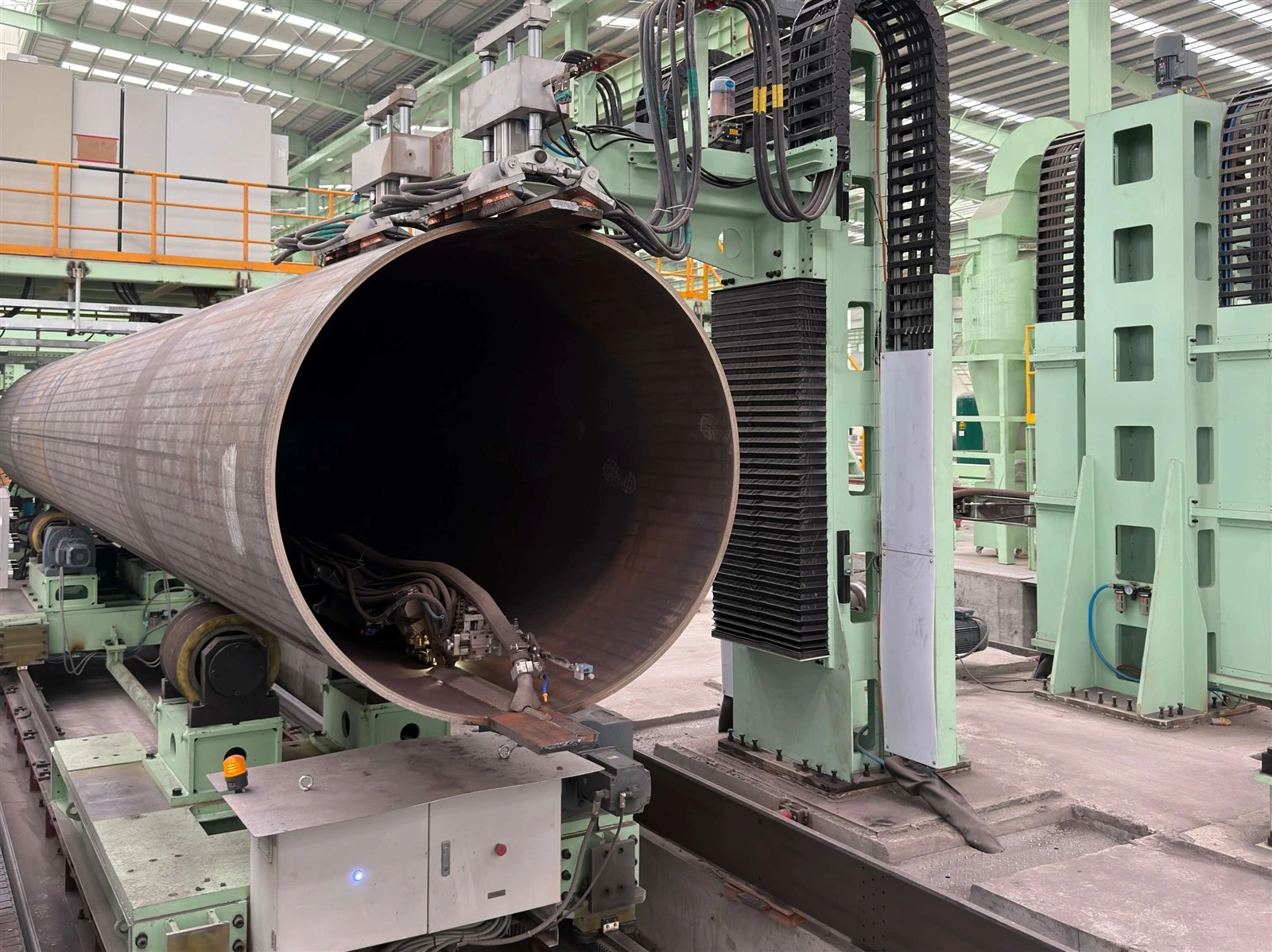
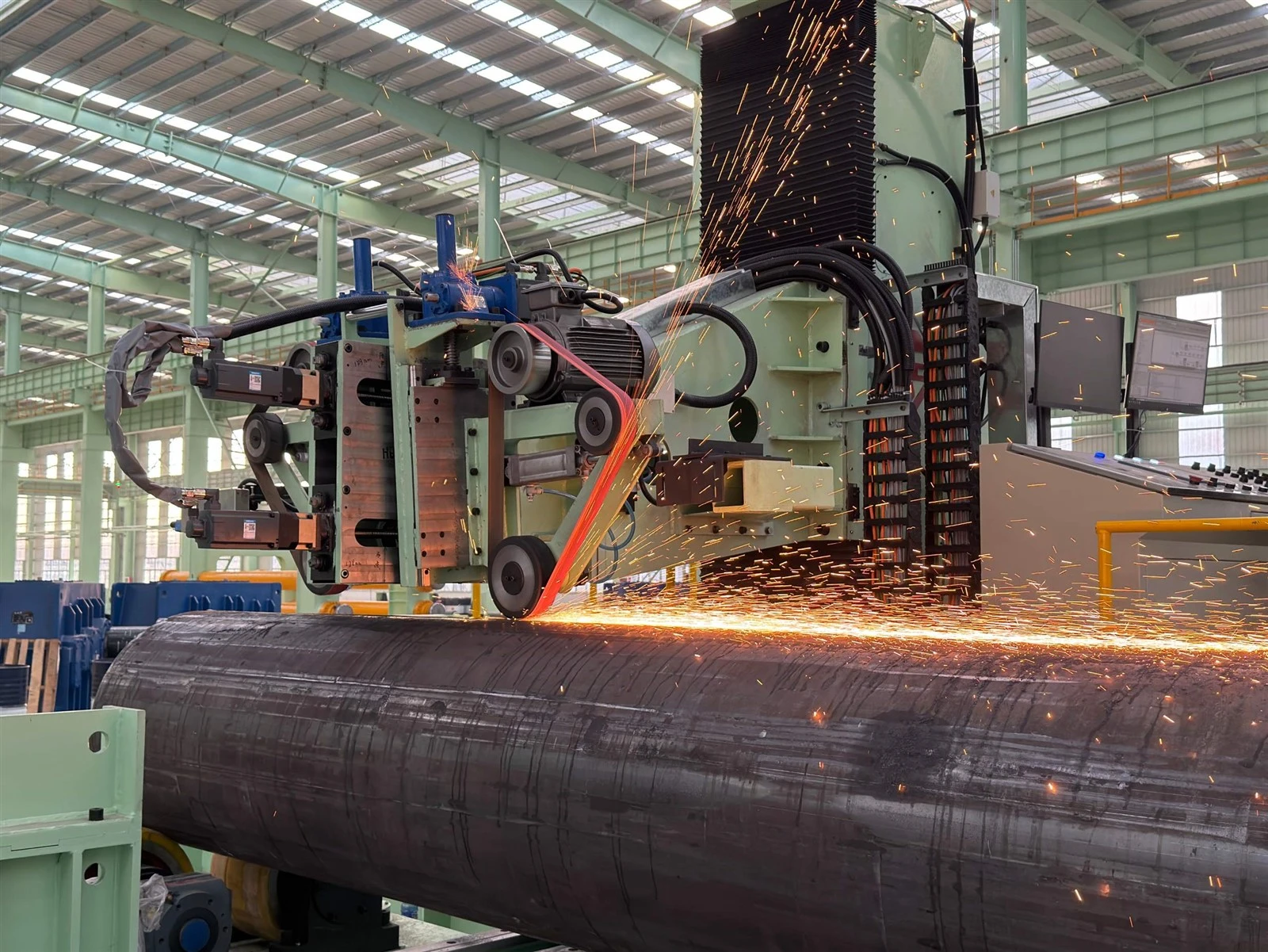
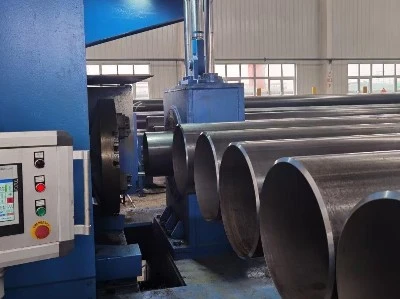
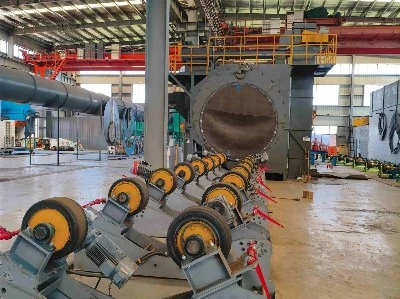
How LSAW Pipe is manufactured?
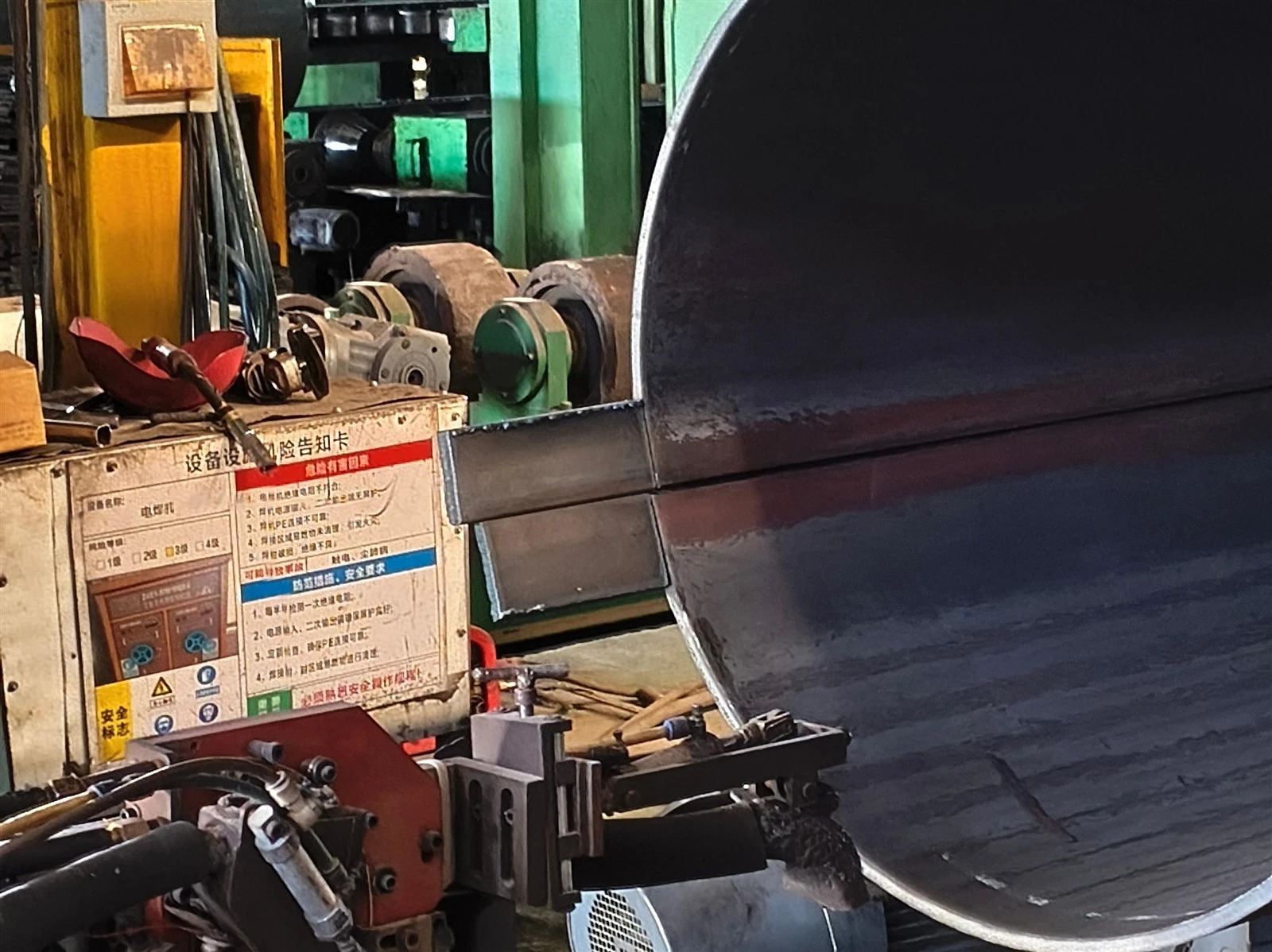
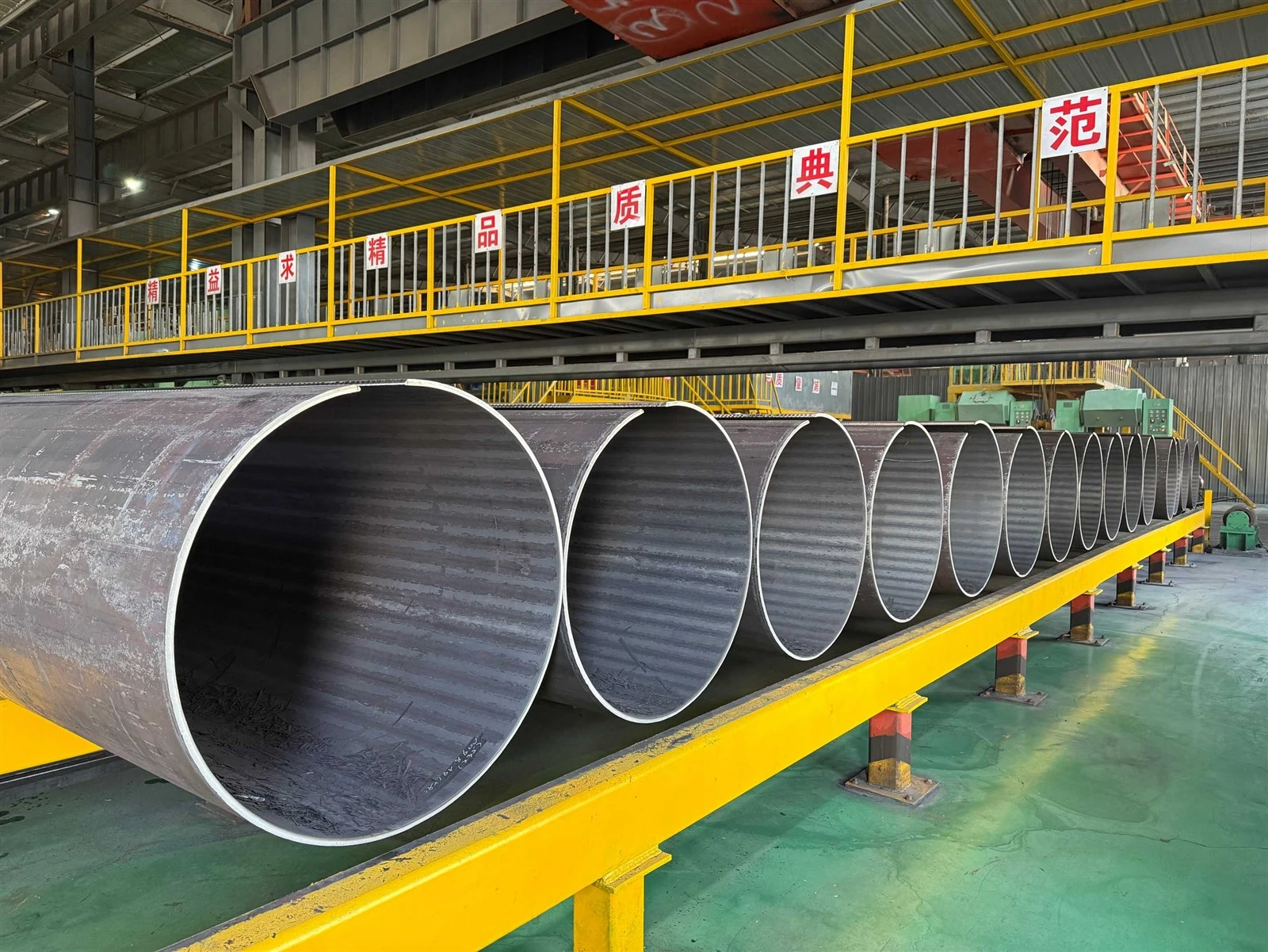
LSAW pipe is a large-diameter, straight-seam steel pipe manufactured by forming steel plate using the UOE or JCOE process, followed by double-sided submerged arc welding.
More detailed process as follows
Plate Inspection → Edge Milling → Edge Pre-bending → Forming → Pre-welding → Internal Welding → External Welding → Ultrasonic Testing → X-ray Inspection → Pipe Expansion → Hydrostatic Testing → End Beveling → Anti-corrosion and coating

Specifications for SWAL Pipe
|
Item |
Scope |
|---|---|
| Diameter | 406mm-1524mm |
| Wall Thickness | 6-50mm |
| Length | 6-18m |
| Grade | API 5L B-X80 and more |
| Standard | API 5L / ASTM / EN |
Why Does LSAW Steel Pipe Need Corrosion Protection?
Steel is inherently reactive. When LSAW pipe is exposed to soil, water, humid air or corrosive media (oil, brine, wastewater), electrochemical corrosion will occur. Corrosion gradually eats away the pipe wall, reduces wall thickness, weakens structural strength, and eventually causes leakage or pipe rupture.
Main reasons
- Soil corrosion for buried pipelines: Most LSAW pipes are buried underground for oil, gas and water transmission. Soil contains moisture, salts, acids and microorganisms. These substances continuously corrode the outer steel surface. Without coating, the service life will drop sharply.
- Aqueous medium corrosion: For subsea, river-crossing or water delivery projects, water (especially saline water) is a strong corrosive environment. Rust will form quickly on bare steel pipe.
- Internal medium corrosion: Oil, natural gas or sewage may contain H₂S, CO₂ and chloride ions. These corrosive components attack the inner wall, leading to pitting corrosion.
- External atmospheric corrosion: During storage, transportation or above-ground installation, rain and humidity create rust on bare LSAW pipe.
What Environments Are Anti-corrosion Coatings for SAWL Pipe Applied In?
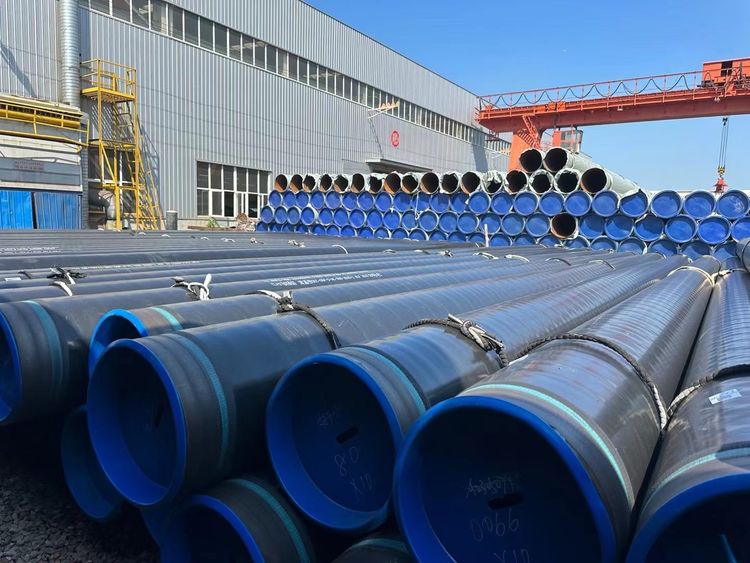
1. 3PE Coating (3-Layer Polyethylene)
- Most widely used for buried onshore pipelines, especially Saudi / Middle East oil & gas projects
- Environment: Buried underground, common for natural gas, crude oil, water transmission pipelines
- Features: Excellent resistance to soil corrosion, moisture and soil stress; stable performance in high-temperature desert soil
- Limitation: Not ideal for high-temperature medium inside pipe, not for subsea deep water
2. 3PP Coating (3-Layer Polypropylene)
- Environment: Buried pipelines with higher service temperature
- Suitable for: Hot oil pipelines, high-temperature geothermal fluid transmission
- Advantage: Better heat resistance than 3PE, still good anti-soil corrosion performance
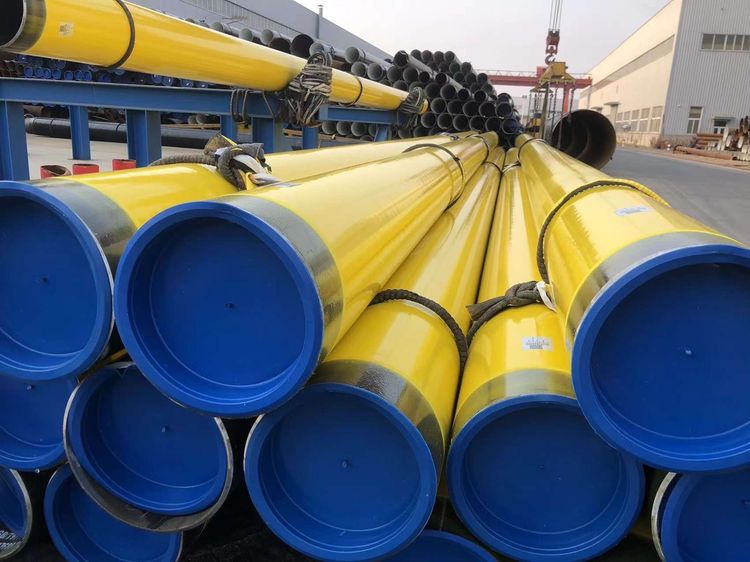
3. FBE (Fusion Bonded Epoxy)
- Two types: Single-layer FBE / Double-layer FBE
- Environment: Buried pipeline, exposed atmospheric pipeline, river crossing, rocky soil
- Advantage: Strong adhesion to steel, good impact resistance for rocky ground; also works for internal coating
- Typical use: Water pipeline, gathering oil pipeline, pipe section with complex terrain
4. Internal Epoxy Coating
- Environment: Inside pipe, for clean water, sewage, low-corrosion oil/gas medium
- Purpose: Reduce fluid friction resistance + prevent internal corrosion from water or minor corrosive ions
- Note: Separated from outer anti-corrosion coating, used as inner lining
5. CWC - Concrete Weight Coating
- Environment: Subsea / underwater pipeline, river crossing pipeline
- Function: Double effect: anti-corrosion + weight ballast, prevents pipes floating in seawater
- Scenario: Offshore oil & gas export lines, submarine water pipelines
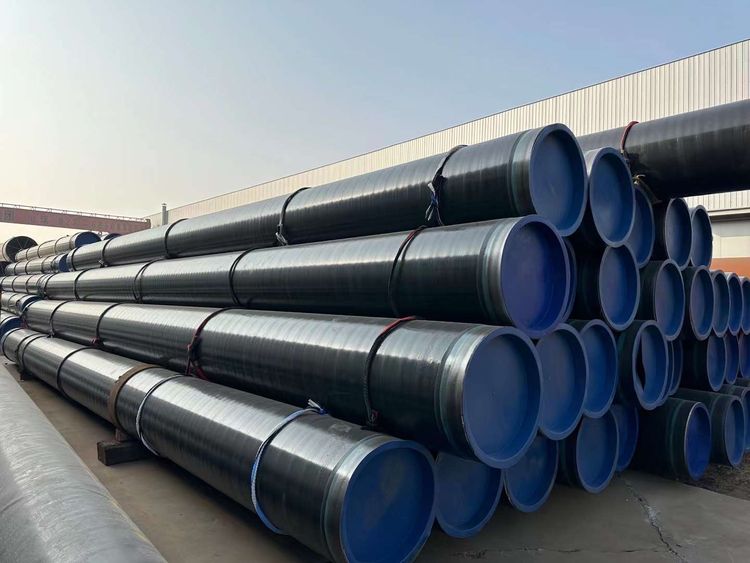
SAWL Pipe Coating Process
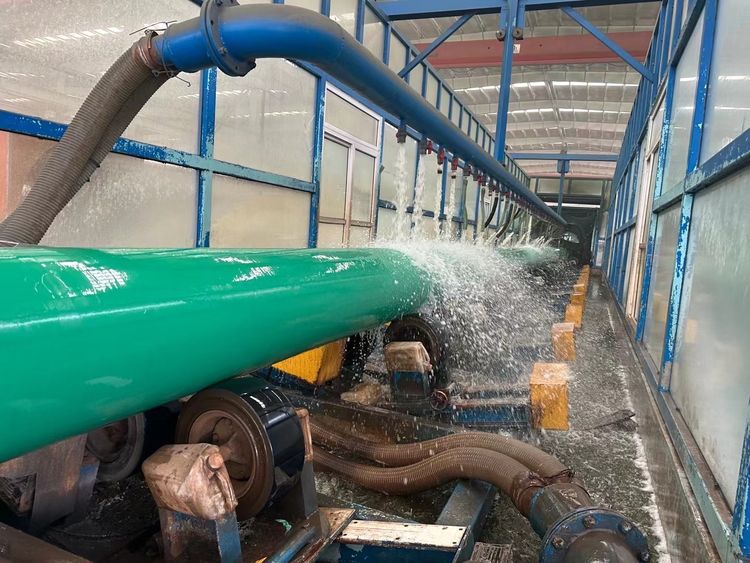
Steel Pipe Surface → Rust Removal → SA2.5 Sand Blasting → Primer Coating → Intermediate Layer → Outer Coating Layer → Quality Inspection → Finished Anti Corrosion Pipe
Surface preparation
- The most critical foundational step in the anti-corrosion treatment of steel pipes, directly affecting the adhesion and service life of the anti-corrosion coating.
- Prior to the application of the anti-corrosion coating, the steel pipe surface must be thoroughly cleaned to remove: mill scale, rust, oil and grease, dust, welding slag, impurities
SA2.5 Sand Blasting
- Compressed air is used to propel abrasive material at high speed against the steel pipe surface,
- causing: Removal of rust, Breakup of mill scale, Increased surface roughness
- Commonly used abrasives include: Steel grit, Steel shot, Quartz sand, Emery
- The steel pipe surface is treated to the Sa 2.5 grade while maintaining a surface roughness of approximately 40–80 μm to enhance the mechanical interlocking of the coating.
Primer Coating
- The primer serves as the first protective layer in an anti-corrosion system.
- Primary functions: Enhances coating adhesion, , Seals the steel surface, Provides initial anti-corrosion protection
- Common primers: Epoxy zinc-rich primer, Inorganic zinc-rich primer, Epoxy primer
Intermediate Layer
- The intermediate layer is primarily used to increase the thickness of the anti-corrosion coating and enhance barrier protection.
- Common materials: Epoxy micaceous iron oxide intermediate coat, High-build epoxy paint
- Functions: Improves impact resistance, Prevents the penetration of corrosive agents, Enhances overall protective performance
Outer Coating Layer
- The topcoat is directly exposed to the external environment and serves as a crucial protective layer within the anti-corrosion system.
- Primary functions: Waterproofing, UV resistance, Chemical corrosion resistance, Enhancement of aesthetic quality
- Common topcoats: Polyurethane topcoat, Polyethylene anti-corrosion coating, Epoxy glass flake coating
Hot Tags: SAWL coated steel pipe, China SAWL coated steel pipe manufacturers, suppliers, factory