What to Consider When Choosing ERW Steel Pipes
In the industrial, construction, and oil and gas sectors, selecting the right piping material is a critical decision that directly impacts structural integrity, project longevity, and safety. Electric Resistance Welded (ERW) steel pipes are among the most versatile and cost-effective solutions available today. Manufactured by cold-forming steel coils into a cylindrical shape and utilizing high-frequency electrical currents to weld the edges, ERW pipes offer excellent dimensional accuracy and mechanical strength.

ERW and hdg pipe production processes
However, not all ERW steel pipes are created equal. Choosing the wrong specification can lead to catastrophic structural failures, premature corrosion, or costly project delays.
Whether you are a procurement manager, a structural engineer, or a project contractor, this comprehensive SEO guide outlines the critical factors you must consider to make an informed, professional purchase.
1. Understand Your Application and Requirements
Before diving into metallurgical specifications, you must clearly define the primary function of the pipeline. ERW steel pipes serve diverse roles, and the application dictates the necessary grade and manufacturing standards.
Common Applications for ERW Pipes:
- Structural and Piling: Used in scaffolding, building columns, bridge construction, and deep foundations. These require high tensile and yield strength.
- Fluid and Gas Transmission: Used for water distribution, sewage lines, natural gas transportation, and oil pipelines. These demand strict pressure-testing and leak-proof welds.
- Mechanical and Automotive Engineering: Used in conveyor rollers, automobile chassis, and agricultural equipment where precise dimensional tolerance is vital.
Professional Tip: Always match the pipe's operational environment (underground, marine, high-pressure, or high-temperature) with the appropriate steel grade to avoid over-engineering or material failure.

Scaffolding Tube

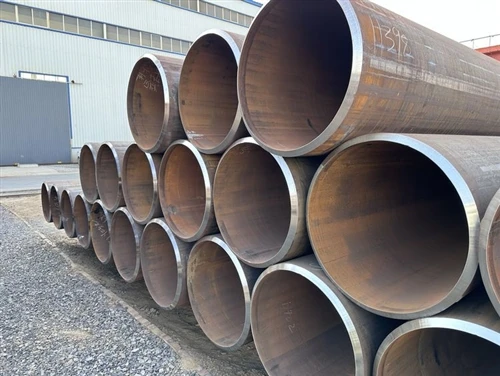
For fluid transport

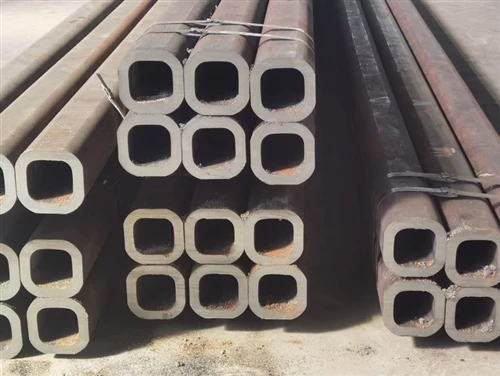
For structural applications
2. Steel Grade and Chemical Composition
The mechanical properties of ERW steel pipes are determined by the chemical composition of the raw steel coil. The grade you choose determines the pipe's strength, ductility, and weldability.
Key Standards to Know:
- ASTM A53 (Grade A & B): The standard specification for pipe, steel, black and hot-dipped, zinc-coated, welded, and seamless. Grade B is highly favored for structural and pressure applications due to its higher tensile strength (240 MPa yield strength vs. 205 MPa for Grade A).
- API 5L (Line Pipe): Governed by the American Petroleum Institute, this standard covers grades from Grade B up to X70 or X80 for oil and gas transport. Higher "X" numbers indicate superior yield strength and resistance to harsh environments.
- ASTM A500: Specifically covers cold-formed welded carbon steel structural tubing in rounds and shapes. Ideal for construction projects.
| Grade/Standard | Yield Strength (Min) | Tensile Strength (Min) | Primary Application |
|---|---|---|---|
| ASTM A53 Grade A | 205 MPa | 330 MPa | Low-pressure plumbing, mechanical |
| ASTM A53 Grade B | 240 MPa | 415 MPa | Structural, medium-pressure steam/air |
| API 5L X52 | 360 MPa | 460 MPa | Oil & Gas pipelines, high-stress environments |
| ASTM A500 Grade B | 290 MPa | 400 MPa | Structural frames, scaffolding, infrastructure |
3. Dimensional Accuracy: OD, Wall Thickness, and Tolerances
ERW pipes are highly regarded for their precise dimensions compared to seamless pipes. When purchasing, you must verify the Outer Diameter (OD), Wall Thickness (WT), and Schedule (SCH).
Nominal Pipe Size (NPS) vs. Actual OD
For pipes with an NPS of 12 inches or smaller, the nominal size does not match the actual outer diameter. For instance, an NPS 6 pipe has an actual OD of 6.625 inches. For pipes 14 inches and larger, the NPS equals the actual outer diameter.
Wall Thickness Schedules
Wall thickness is classified by schedule numbers (e.g., SCH 10, SCH 40, SCH 80).
- SCH 40 is the standard weight and is suitable for most general structural and low-to-medium pressure fluid lines.
- SCH 80 features thicker walls, offering enhanced pressure ratings and structural load capacity.
Ensure that the manufacturer provides certificates showing compliance with dimensional tolerances (usually specified within ±1% for OD and ±10% for wall thickness under ASTM/API standards).
4. Manufacturing Quality and Weld Seam Integrity
The defining characteristic of an ERW pipe is its longitudinal weld seam. Historically, older ERW manufacturing methods (low-frequency welding) were prone to "seam corrosion" or weld failures. Modern ERW pipes utilize High-Frequency (HF) Electric Resistance Welding, which creates a homogenous, high-strength bond.

ERW Pipe Production
The Importance of Heat Treatment (Annealing)
When the edges of the steel plate are welded, localized stress and a Heat-Affected Zone (HAZ) are created. High-quality ERW pipes undergo a process called seam annealing or full-body normalizing. This heat treatment recrystallizes the grain structure at the weld line, ensuring that the seam has the exact same mechanical properties and corrosion resistance as the rest of the pipe body.
Always ask your supplier: Has the weld seam been post-weld heat treated (PWHT)?
5. Surface Coating and Corrosion Protection
Steel is inherently susceptible to oxidation and corrosion. Depending on where your ERW pipes will be installed, selecting the appropriate surface finish is non-negotiable for expanding the lifecycle of your infrastructure.
1. Bare/Black Steel (Oiled)
The pipe is left uncoated but treated with a light layer of industrial oil to prevent rusting during transit and storage. This is suitable if the pipes will be painted, coated on-site, or enclosed within a controlled indoor environment.
2. Hot-Dip Galvanizing (HDG)
The pipe is submerged in a bath of molten zinc, forming a thick, robust alloy layer. Galvanized ERW pipes offer exceptional protection against atmospheric corrosion and are widely used in outdoor structural frameworks, water supply lines, and fencing.
3. Anti-Corrosion Polymer Coatings
For underground pipelines or highly corrosive chemical environments, advanced coatings are required:
- 3LPE (Three-Layer Polyethylene): Comprises a high-performance epoxy layer, an adhesive layer, and a polyethylene outer layer. Offers elite protection against mechanical damage and soil chemistry.
- FBE (Fusion Bonded Epoxy): Excellent for protecting gas and oil transmission lines operating at standard temperatures.

Hot-Dip Galvanizing

3LPE

FBE
6. Non-Destructive Testing (NDT) and Certification
To ensure you are receiving professional-grade ERW pipes, you must verify the manufacturer's quality control protocols. Because the weld seam is a potential point of vulnerability, rigorous testing is mandatory.
Ensure your supplier provides a Mill Test Certificate (MTC) conforming to EN 10204 Type 3.1 or 3.2. The MTC should confirm that the batch has undergone the following tests:
- Hydrostatic Testing: Every pipe is filled with water and pressurized to a specified limit to guarantee there are no leaks or micro-fissures along the weld line.
- Ultrasonic Testing (UT) / Eddy Current Testing: Non-destructive methods used to scan the entire length of the weld seam for internal defects, voids, or inclusions.
- Mechanical Flattening & Bending Tests: Destructive tests performed on sample pieces. The pipe is flattened at the weld zone to ensure it does not crack, proving the weld's ductility.
7. Supplier Reputation, Sourcing, and Logistics
The final piece of the puzzle isn't about the steel itself, but who you buy it from. Sourcing from a reputable, accredited manufacturer prevents the risk of counterfeit materials or substandard steel coils.
Key Supplier Verification Checklist:
- Certifications: Is the manufacturer ISO 9001, API 5L, and CE certified?
- Traceability: Can the supplier trace every single pipe back to the specific heat number of the steel coil from the steel mill?
- Packaging and Protection: Are the pipes bundled correctly with steel strapping? Are the ends protected with plastic caps to prevent thread damage or debris entry during sea/land freight?
- Lead Times and Logistics: Can the supplier reliably meet your project timeline? Delayed piping deliveries can cascade into massive financial penalties on construction sites.
Conclusion: Making the Right Investment
Choosing the right ERW steel pipe is a balancing act between performance requirements, environmental conditions, and budget constraints. By paying close attention to the steel grade (such as ASTM A53 or API 5L), ensuring proper wall thickness schedules, verifying that the weld seam has been properly annealed, and demanding comprehensive Mill Test Certificates, you eliminate guesswork and mitigate structural risks.
Investing time in verifying these technical parameters ensures that your project runs smoothly, safely, and remains cost-effective over its entire operational lifespan. When in doubt, consult closely with a certified structural engineer and a transparent, verified steel manufacturer to tailor the exact specifications to your blueprints.