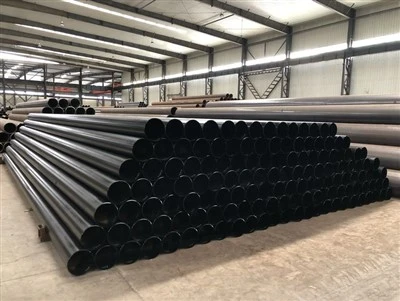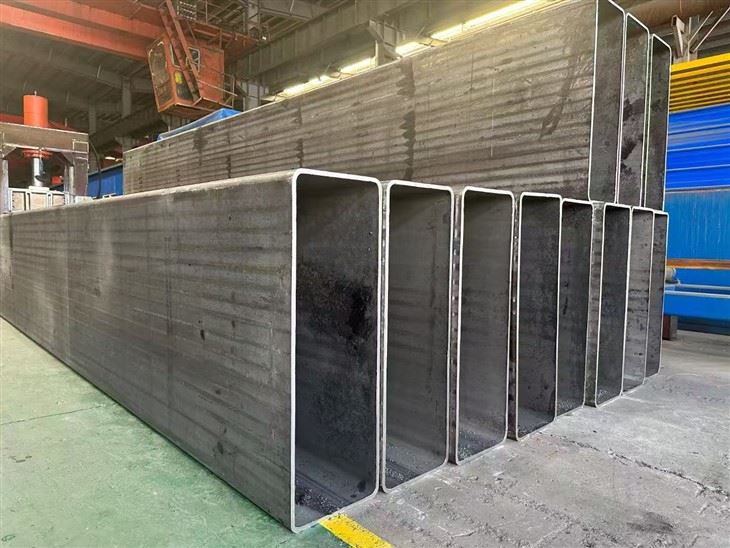
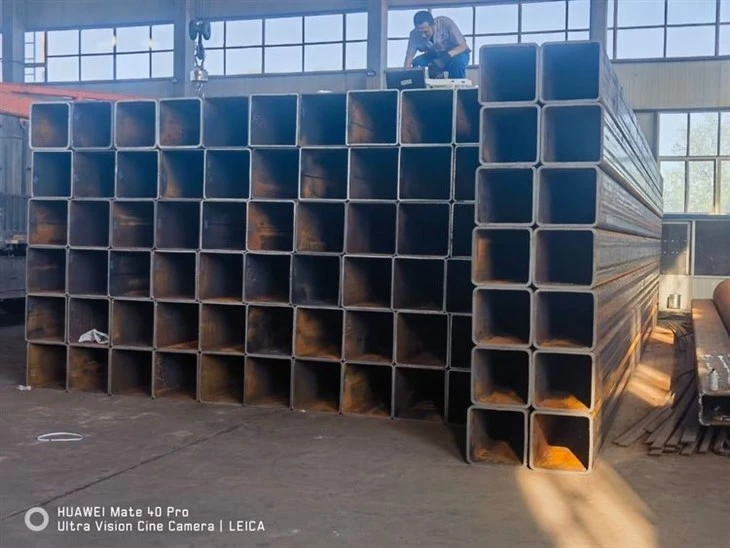
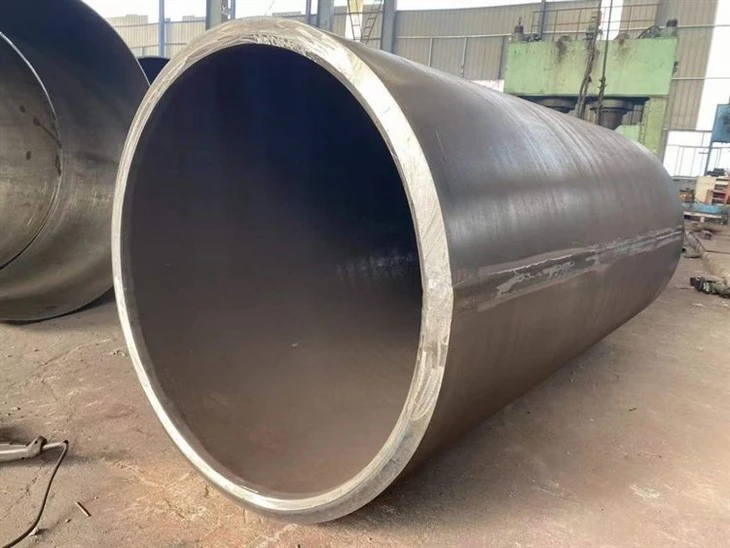
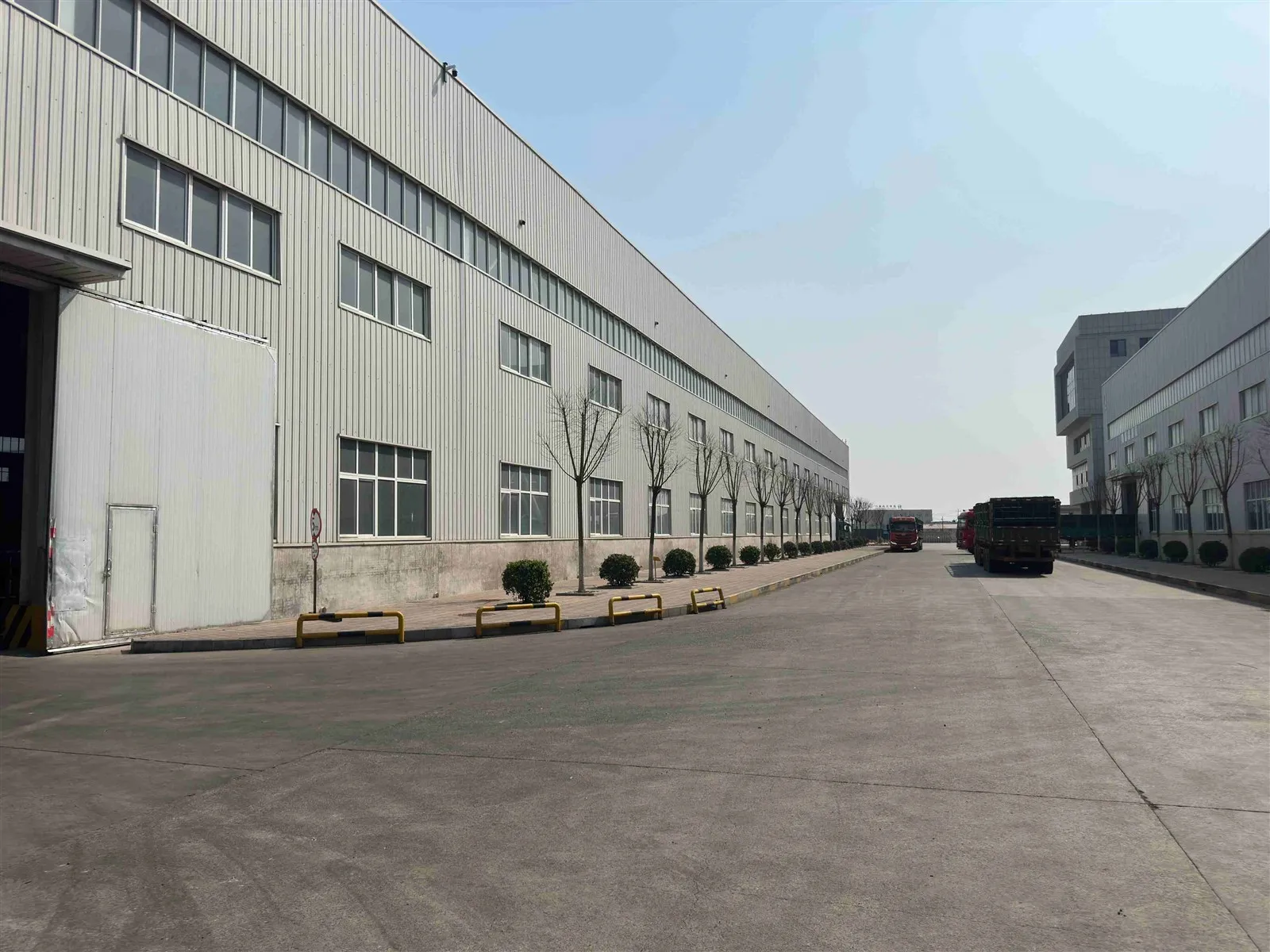
Tianjin Brisk Metalwork Co., Ltd. is one of the leading manufacturers and suppliers of welded structural hollow section in China. We have world-leading production equipment and strong manufacturing capabilities. Please feel free to buy bulk durable welded structural hollow section from our factory.
PRODUCT
Tianjin Brisk Steel focus on produce and supply hollow section and steel pipe


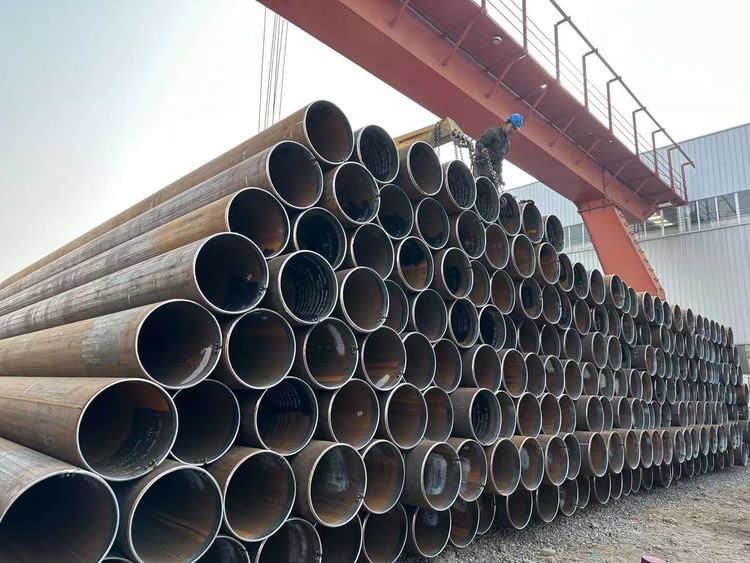
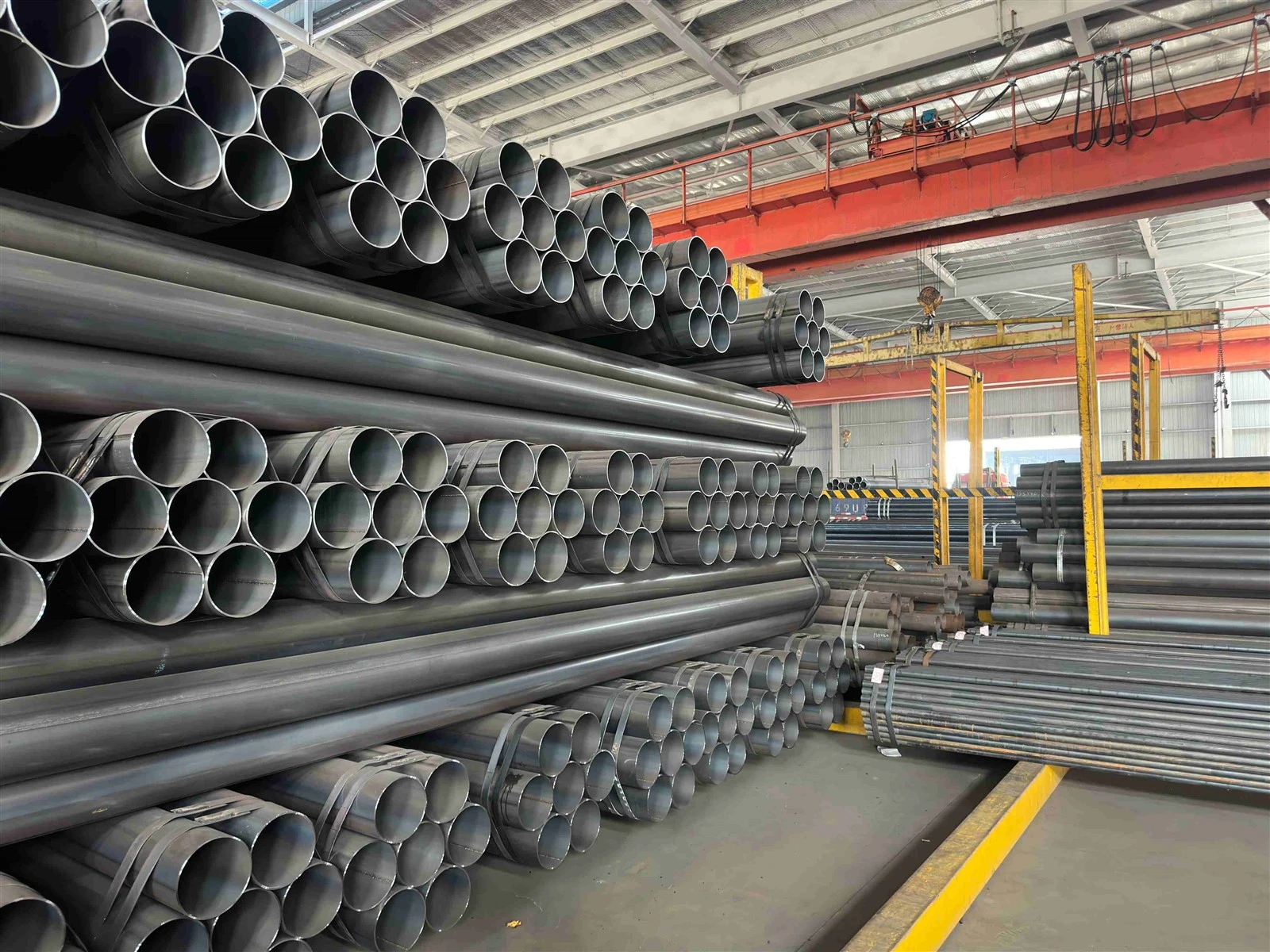
What Welded Structural Hollow Sections Can We Supply?
| Item | Our Production Range |
|---|---|
| Shapes | Square (SHS), rectangular (RHS), circular (CHS) |
| Square size | 20 x 20 mm to 500 x 500 mm |
| Rectangular size | 20 x 10 mm to 600 x 400 mm |
| Round OD | 21.3 mm to 610 mm |
| Wall thickness | 1.5 mm to 25 mm (depends on size) |
| Length | 6 m and 12 m standard, custom cut lengths available |
| Common specifications | EN 10219, ASTM A500, AS/NZS 1163, JIS G3466, GB/T 6728 |
| Common grades | S235JRH, S275J0H, S355J2H, A500 Gr.B / Gr.C, STKR400 / STKR490 |
| Surface | Black, oiled, painted, hot-dip galvanized |
Need a size or wall thickness not listed? Send us the drawing. We can quote non-standard profiles as well.
How Do We Control the Weld Seam Before the Section Ever Ships?
The seam is the one feature a welded section has that a seamless one does not, so we treat it as a controlled feature, not a by-product. Here is what happens on our lines:
- Coil selection and slitting: each coil is checked against its mill certificate and slit to the exact strip width for the target section.
- Roll forming and high-frequency welding: strip edges are heated and forged together without filler metal, giving a narrow, uniform weld.
- Flash removal: the outer weld bead is trimmed flush immediately after welding, so the surface is ready for painting, galvanizing or fit-up.
- On-line seam heat treatment: the weld zone is normalized to remove hard, brittle microstructure left by rapid heating and cooling.
- Sizing: the tube passes through sizing rolls to reach final shape and dimensional tolerance.
- Seam testing: eddy-current or ultrasonic inspection covers the weld along its length. Flattening and bend tests are done by lot.
- Final inspection: dimensions, straightness, end squareness and surface are checked before bundling.
Because the weld is inspected in-line and again by lot, a defective seam is usually stopped at our mill, not at your fabrication shop.
Is a Welded Section Strong Enough Compared With Seamless?
For most structural work, yes. Beams, columns, bracing, purlins, trusses and frames are designed to the specified minimum yield and tensile strength of the standard, and a properly tested welded section meets those values. That is why EN 10219 and ASTM A500 cover welded products for structural use.
Where does seamless still make sense? Mostly in very heavy walls, high-pressure service, or sizes beyond the welded range. If your project falls there, tell us. We will say so plainly and quote the route that fits, instead of forcing a welded section where it does not belong. For everything else, welded sections give you more size options, tighter wall consistency and a lower cost per tonne.
Where Does the Seam Sit, and Does It Matter for Your Fabrication?
It can. Fabricators run into seam issues at cutting, bending, coating and end-plate fit-up, so we handle these points up front:
- Exposed steel (AESS): on request we place the seam on a non-visible face and mark it on the bundle tag or with a paint stripe.
- Bending and rolling: for curved members, we advise on seam position relative to the bending plane before production.
- Galvanizing: a flush, trimmed seam takes zinc evenly, and vent and drain hole positions can be planned with your galvanizer.
- Base and end plates: we saw-cut ends square so plates seat properly, reducing grinding and shimming on site.
Which Finishes and Processing Services Do We Offer?
- Black or oiled for painting at your own shop
- Factory primer or paint in your specified color
- Hot-dip galvanized for outdoor, coastal and industrial exposure
- Cut-to-length, drilling, notching, beveling and end capping to reduce your workshop hours
Which Projects Use Our Welded Structural Hollow Sections?
- Steel-frame buildings, warehouses and mezzanines
- Roof trusses, canopies and facade support frames
- Bridges, footbridges and pedestrian walkways
- Solar mounting structures and greenhouse frames
- Truck bodies, machinery frames and material-handling equipment
Case: How Did One Fabricator Cut Seam Rework on an Exposed Canopy?
A fabricator in Southeast Asia ordered 86 pieces of 200 x 100 x 6 mm RHS, 9 m long, for an exposed steel canopy. Their previous supplier delivered seams on random faces, so every rafter needed seam grinding and touch-up, roughly 3 hours per piece, or 258 hours in total.
We produced the same order with the seam placed on the underside face, trimmed flush and marked on every bundle. Rework fell to about 0.5 hours per piece, roughly 43 hours in total. That saved about 215 labor hours and kept the installation schedule intact.
Frequently Asked Questions (FAQ)
Q: Does a welded hollow section have a weaker weld zone?
A: Not when it is produced and tested properly. Seam heat treatment and in-line inspection are there to bring the weld zone in line with the parent tube.
Q: Can you match a specification from another region?
A: Yes. We regularly supply to EN, ASTM, AS/NZS and JIS requirements, and can advise on the closest equivalent if your drawing names a different grade.
Q: Can I order mixed sizes in one container?
A: Yes. We can combine several sizes and finishes in one shipment to suit your project schedule.
Q: Can you supply samples before a full order?
A: Yes. Contact us with the size and grade and we will arrange sample cuts and the relevant test reports.



Hot Tags: welded structural hollow section, China welded structural hollow section manufacturers, suppliers, factory