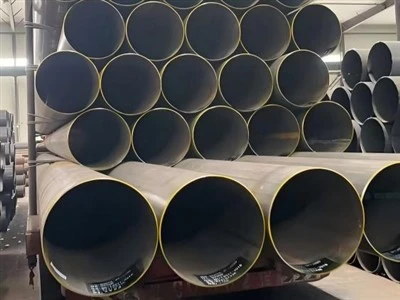
Square tubes are versatile structural components widely used in various industries, including construction, manufacturing, automotive, and furniture making. As a leading square tube supplier, we understand the importance of using high-quality materials to ensure the durability, strength, and performance of our products. In this blog post, we will explore the common materials used to make square tubes, their properties, and applications.
Steel
Steel is one of the most commonly used materials for making square tubes due to its excellent strength, durability, and versatility. It is an alloy of iron and carbon, with other elements such as manganese, silicon, and sulfur added to enhance its properties. There are several types of steel used in square tube manufacturing, each with its own unique characteristics and applications.
Carbon Steel
Carbon steel is the most basic type of steel, consisting primarily of iron and carbon. It is known for its high strength, hardness, and affordability, making it a popular choice for a wide range of applications. Carbon steel square tubes are commonly used in construction, machinery, and automotive industries. They can be further classified into low carbon steel, medium carbon steel, and high carbon steel based on their carbon content.
- Low Carbon Steel: Low carbon steel contains less than 0.3% carbon, making it relatively soft and ductile. It is easy to form, weld, and machine, making it suitable for applications where formability is important, such as in the manufacturing of furniture, handrails, and automotive parts.
- Medium Carbon Steel: Medium carbon steel contains between 0.3% and 0.6% carbon, offering a good balance of strength and ductility. It is commonly used in applications where higher strength is required, such as in the construction of bridges, buildings, and machinery parts.
- High Carbon Steel: High carbon steel contains more than 0.6% carbon, making it extremely hard and strong. It is often used in applications where wear resistance is critical, such as in the manufacturing of cutting tools, springs, and wire ropes.
Stainless Steel
Stainless steel is a corrosion-resistant alloy of steel that contains at least 10.5% chromium. It is known for its excellent resistance to rust, staining, and corrosion, making it a popular choice for applications in harsh environments, such as in the food processing, chemical, and marine industries. Stainless steel square tubes are available in various grades, each with its own unique composition and properties.
- Austenitic Stainless Steel: Austenitic stainless steel is the most common type of stainless steel, known for its excellent corrosion resistance, high ductility, and good formability. It is often used in applications where hygiene and cleanliness are important, such as in the food and beverage industry, as well as in architectural and decorative applications.
- Ferritic Stainless Steel: Ferritic stainless steel contains a higher percentage of chromium and a lower percentage of carbon than austenitic stainless steel, making it more resistant to stress corrosion cracking. It is commonly used in applications where high temperature resistance and corrosion resistance are required, such as in the automotive exhaust system and heat exchangers.
- Martensitic Stainless Steel: Martensitic stainless steel is a high-strength, hardenable stainless steel that contains a higher percentage of carbon than austenitic and ferritic stainless steels. It is often used in applications where high strength and wear resistance are required, such as in the manufacturing of cutting tools, knives, and surgical instruments.
Galvanized Steel
Galvanized steel is steel that has been coated with a layer of zinc to protect it from corrosion. The zinc coating acts as a barrier between the steel and the environment, preventing oxygen and water from reaching the steel surface. Galvanized square tubes are commonly used in outdoor applications, such as in the construction of fences, guardrails, and outdoor furniture, where they are exposed to the elements. Galvanized Square Tube


Aluminum
Aluminum is a lightweight, corrosion-resistant metal that is widely used in the manufacturing of square tubes. It has a high strength-to-weight ratio, making it an ideal choice for applications where weight reduction is important, such as in the aerospace, automotive, and transportation industries. Aluminum square tubes are also known for their excellent thermal conductivity, electrical conductivity, and recyclability.
- 6061 Aluminum: 6061 aluminum is a popular alloy used in the manufacturing of square tubes. It is known for its good strength, corrosion resistance, and weldability. 6061 aluminum square tubes are commonly used in structural applications, such as in the construction of frames, supports, and trusses.
- 5052 Aluminum: 5052 aluminum is another commonly used alloy for square tubes. It has excellent corrosion resistance, especially in marine environments, making it a popular choice for applications such as boat building, marine structures, and outdoor furniture.
Copper
Copper is a highly conductive metal that is known for its excellent corrosion resistance, malleability, and ductility. Copper square tubes are commonly used in electrical and plumbing applications, as well as in decorative and architectural applications.
- C101 Copper: C101 copper is a high-purity copper alloy that is known for its excellent electrical conductivity. It is commonly used in electrical applications, such as in the manufacturing of electrical wiring, bus bars, and transformers.
- C220 Copper: C220 copper, also known as commercial bronze, is an alloy of copper and zinc. It has good corrosion resistance and is commonly used in plumbing applications, such as in the manufacturing of pipes, fittings, and valves.
Other Materials
In addition to steel, aluminum, and copper, there are other materials used to make square tubes, depending on the specific requirements of the application.
- Plastic: Plastic square tubes are lightweight, corrosion-resistant, and easy to install. They are commonly used in applications where electrical insulation, chemical resistance, or a non-metallic material is required, such as in the construction of electrical enclosures, signage, and greenhouse frames.
- Fiberglass: Fiberglass square tubes are strong, lightweight, and corrosion-resistant. They are commonly used in applications where high strength and durability are required, such as in the construction of ladders, platforms, and walkways.
Standards and Specifications
When choosing square tubes, it is important to consider the relevant standards and specifications to ensure that the products meet the required quality and performance requirements. Some of the common standards for square tubes include ASTM A501 Hot-Formed Welded And Seamless Carbon Steel Structural Tubing and EN 10210 S355J2H HOLLOW SECTION. These standards specify the chemical composition, mechanical properties, dimensions, and tolerances of the square tubes.
Conclusion
As a square tube supplier, we offer a wide range of square tubes made from different materials to meet the diverse needs of our customers. Whether you need square tubes for construction, manufacturing, automotive, or other applications, we have the expertise and resources to provide you with high-quality products at competitive prices.
If you are interested in purchasing square tubes or have any questions about our products, please feel free to contact us for a detailed discussion. We look forward to working with you and providing you with the best solutions for your square tube needs.
References
- Metals Handbook: Properties and Selection - Irons, Steels, and High-Performance Alloys, ASM International
- Aluminum Association: Aluminum Design Manual
- Copper Development Association: Copper Handbook