


What is the Tensile Strength of Seamless Pipes?
As a supplier of seamless pipes, I often get asked about the tensile strength of these pipes. Tensile strength is a crucial property that determines the performance and reliability of seamless pipes in various applications. In this blog post, I will explain what tensile strength is, how it is measured, and why it is important for seamless pipes.
Understanding Tensile Strength
Tensile strength is defined as the maximum amount of tensile stress that a material can withstand before it breaks or fails. In the context of seamless pipes, tensile strength refers to the ability of the pipe to resist being pulled apart under tension. It is an essential property because seamless pipes are often used in applications where they are subjected to high pressures and forces.
The tensile strength of a seamless pipe is typically expressed in pounds per square inch (psi) or megapascals (MPa). It is determined through a standardized testing method called a tensile test. During a tensile test, a sample of the pipe is placed in a testing machine and gradually pulled until it breaks. The maximum force applied during the test is recorded, and the tensile strength is calculated by dividing this force by the cross-sectional area of the sample.

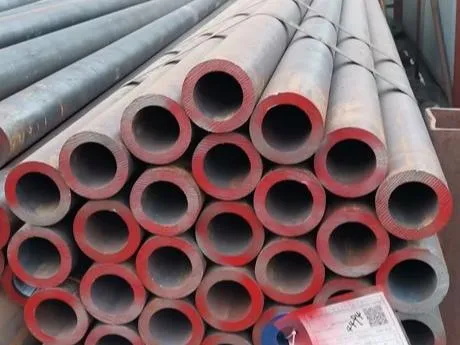
Factors Affecting Tensile Strength
Several factors can affect the tensile strength of seamless pipes. These include:
- Material Composition: The type of material used to manufacture the seamless pipe plays a significant role in determining its tensile strength. Different materials have different atomic structures and properties, which can affect their ability to resist deformation and failure under tension. For example, steel pipes generally have higher tensile strength than aluminum pipes.
- Manufacturing Process: The manufacturing process used to produce the seamless pipe can also impact its tensile strength. Seamless pipes are typically made through processes such as hot rolling or cold drawing. These processes can affect the grain structure and mechanical properties of the pipe, which in turn can influence its tensile strength.
- Heat Treatment: Heat treatment is a common process used to improve the mechanical properties of seamless pipes. By heating the pipe to a specific temperature and then cooling it at a controlled rate, the grain structure of the pipe can be modified, resulting in improved tensile strength and other properties.
- Pipe Dimensions: The dimensions of the seamless pipe, such as its diameter and wall thickness, can also affect its tensile strength. Generally, pipes with larger diameters and thicker walls have higher tensile strength than pipes with smaller diameters and thinner walls.
Importance of Tensile Strength in Seamless Pipes
The tensile strength of seamless pipes is important for several reasons:
- Safety: Seamless pipes are often used in applications where safety is a critical concern, such as in oil and gas pipelines, power plants, and chemical processing facilities. A pipe with high tensile strength is less likely to fail under high pressures and forces, reducing the risk of leaks, explosions, and other safety hazards.
- Performance: The tensile strength of a seamless pipe directly affects its performance in various applications. Pipes with higher tensile strength can withstand greater pressures and forces, allowing them to be used in more demanding applications. This can improve the efficiency and reliability of the system in which the pipes are used.
- Durability: Seamless pipes with high tensile strength are more durable and have a longer service life. They are less likely to deform or break under normal operating conditions, reducing the need for frequent repairs and replacements. This can result in significant cost savings over the life of the system.
Tensile Strength of Common Seamless Pipe Standards
There are several common standards for seamless pipes, each with its own specified tensile strength requirements. Some of the most widely used standards include:
- ASTM A53 Seamless Pipe: This standard covers seamless and welded black and hot-dipped galvanized steel pipe in NPS 1/8 to NPS 26. The minimum tensile strength for Grade A pipes is 48,000 psi (331 MPa), while the minimum tensile strength for Grade B pipes is 60,000 psi (414 MPa).
- ASTM A53 SEAMLESS STEEL PIPE: Similar to ASTM A53, this standard also covers seamless and welded steel pipe. The minimum tensile strength requirements are the same as those for ASTM A53.
- ASTM A106 GR.C SMLS STEEL PIPE: This standard is specifically for seamless carbon steel pipe for high-temperature service. The minimum tensile strength for Grade C pipes is 70,000 psi (483 MPa).
Conclusion
In conclusion, the tensile strength of seamless pipes is a critical property that determines their performance, reliability, and safety in various applications. As a supplier of seamless pipes, I understand the importance of providing pipes with high tensile strength to meet the needs of our customers. By considering factors such as material composition, manufacturing process, heat treatment, and pipe dimensions, we can ensure that our pipes have the required tensile strength for the intended application.
If you are in the market for seamless pipes and have any questions about tensile strength or other properties, please feel free to contact us. We would be happy to discuss your requirements and provide you with the best possible solutions.
References
- ASTM International. (2023). ASTM A53/A53M - 22 Standard Specification for Pipe, Steel, Black and Hot-Dipped, Zinc-Coated, Welded and Seamless.
- ASTM International. (2023). ASTM A106/A106M - 22 Standard Specification for Seamless Carbon Steel Pipe for High-Temperature Service.


