Hey there! As a supplier of galvanized steel pipes, I often get asked about whether these pipes require any special handling during transportation. Well, let's dive right into it.
First off, what exactly is galvanized steel pipe? Galvanized steel pipes are regular steel pipes that have been coated with a layer of zinc. This zinc coating serves as a protective barrier, preventing the steel from rusting and corroding. It's widely used in various industries, from construction to plumbing, because of its durability and resistance to the elements.
Now, back to the question at hand - does galvanized steel pipe need special handling during transportation? The short answer is yes, it does. But let's break it down to understand why.
Protecting the Zinc Coating
The zinc coating on galvanized steel pipes is what gives them their corrosion - resistance. During transportation, this coating can get damaged if not handled properly. Scratches or chips in the zinc layer can expose the underlying steel to moisture and oxygen, leading to rust. To prevent this, pipes should be carefully loaded and unloaded. Avoid dragging the pipes on rough surfaces, as this can easily scratch the zinc coating. Instead, use lifting equipment like slings or hooks that are designed to handle pipes without causing damage.
Stacking and Securing
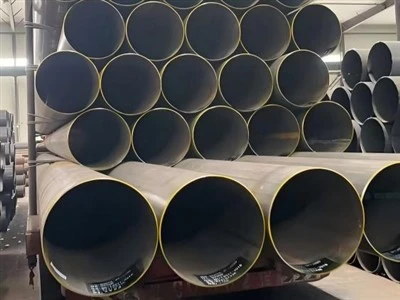
When transporting galvanized steel pipes, proper stacking is crucial. Pipes should be stacked in a stable manner to prevent them from rolling or shifting during transit. If the pipes are not stacked correctly, they can collide with each other, causing dents or damage to the coating. It's also important to secure the stacks using straps or chains. This ensures that the pipes stay in place, even when the vehicle is in motion.


Environmental Considerations
Galvanized steel pipes are relatively resistant to environmental factors, but extreme conditions can still pose a threat. For example, if the pipes are exposed to saltwater or highly acidic environments during transportation, it can accelerate the corrosion process. So, if you're transporting pipes near the coast or through areas with high pollution levels, it's a good idea to take extra precautions. You might consider using protective covers or wrapping the pipes in plastic to shield them from these harsh conditions.
Compatibility with Other Materials
When loading galvanized steel pipes onto a vehicle, make sure they are not in direct contact with other materials that could cause damage. For instance, avoid placing the pipes next to sharp objects or materials that could scratch the zinc coating. Also, be aware of the chemical compatibility of the pipes with other substances. Some chemicals can react with the zinc coating, so it's important to keep the pipes away from such substances.
Size and Weight
Galvanized steel pipes come in various sizes and weights. Larger and heavier pipes require more care during transportation. They need to be loaded and unloaded using appropriate equipment to ensure the safety of the workers and prevent damage to the pipes. For example, a large - diameter pipe might need a crane to lift it onto a truck.
Now, let's talk about some of the products we offer. We supply high - quality ASTM A671 EFW STEEL PIPE, which is widely used in industrial applications. These pipes are made to meet strict ASTM standards, ensuring their quality and performance. We also have ASTM A53 GR.B ERW STEEL PIPE, which is known for its reliability and durability. And of course, our ERW Steel Pipes are a popular choice for many customers due to their cost - effectiveness and wide range of applications.
If you're in the market for galvanized steel pipes, we're here to help. Whether you need a small quantity for a DIY project or a large order for a commercial construction, we can provide you with the right products. We ensure that all our pipes are transported with the utmost care to reach you in perfect condition.
So, if you're interested in purchasing galvanized steel pipes, don't hesitate to get in touch. We'd love to have a chat with you about your requirements and offer you the best solutions.
References
- American Society for Testing and Materials (ASTM) standards for steel pipes
- Industry best practices for transporting metal products