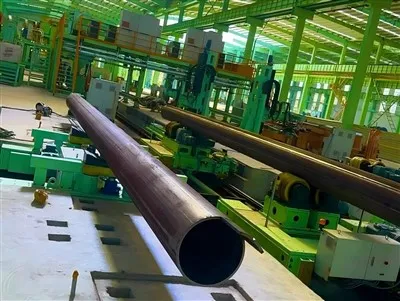
As a trusted supplier of EN 10210 HOLLOW SECTIONS, I understand the importance of ensuring the quality of our products. However, even with the most stringent quality control measures, defects can sometimes occur. In this blog post, I will discuss the various repair methods for defective EN 10210 HOLLOW SECTIONS, providing you with valuable insights to help you address these issues effectively.


Understanding EN 10210 HOLLOW SECTIONS
EN 10210 is a European standard that specifies the technical delivery conditions for hot-finished structural hollow sections of non-alloy and fine grain steels. These hollow sections are widely used in construction, engineering, and other industries due to their high strength, durability, and versatility. However, they can be subject to various defects during the manufacturing process, such as surface imperfections, dimensional inaccuracies, and internal flaws.
Common Defects in EN 10210 HOLLOW SECTIONS
Before discussing the repair methods, it is important to understand the common defects that can occur in EN 10210 HOLLOW SECTIONS. Some of the most common defects include:
- Surface imperfections: These can include scratches, dents, pits, and rust. Surface imperfections can affect the appearance of the hollow sections and may also reduce their corrosion resistance.
- Dimensional inaccuracies: These can include variations in wall thickness, diameter, and length. Dimensional inaccuracies can affect the fit and performance of the hollow sections and may also lead to structural issues.
- Internal flaws: These can include cracks, porosity, and inclusions. Internal flaws can weaken the hollow sections and may lead to failure under load.
Repair Methods for Defective EN 10210 HOLLOW SECTIONS
The repair methods for defective EN 10210 HOLLOW SECTIONS depend on the type and severity of the defect. Some of the most common repair methods include:
- Surface repair: Surface imperfections can be repaired by grinding, polishing, or sandblasting. These methods can remove the surface defects and restore the appearance of the hollow sections. However, it is important to ensure that the repair process does not affect the mechanical properties of the hollow sections.
- Welding repair: Welding can be used to repair cracks, holes, and other defects in the hollow sections. However, it is important to use the correct welding technique and filler material to ensure that the repair is strong and durable. Welding should be performed by a qualified welder who has experience working with EN 10210 HOLLOW SECTIONS.
- Heat treatment: Heat treatment can be used to improve the mechanical properties of the hollow sections and to repair internal flaws. Heat treatment can include annealing, quenching, and tempering. However, it is important to ensure that the heat treatment process is performed correctly to avoid damaging the hollow sections.
- Replacement: In some cases, it may be necessary to replace the defective hollow sections. This is usually the case when the defect is severe or when the repair process is not practical or cost-effective.
Preventing Defects in EN 10210 HOLLOW SECTIONS
While it is possible to repair defective EN 10210 HOLLOW SECTIONS, it is always better to prevent defects from occurring in the first place. Some of the ways to prevent defects in EN 10210 HOLLOW SECTIONS include:
- Quality control: Implementing a strict quality control system can help to ensure that the hollow sections meet the required standards. This can include inspecting the raw materials, monitoring the manufacturing process, and performing final inspections on the finished products.
- Proper storage and handling: Proper storage and handling of the hollow sections can help to prevent damage and corrosion. This can include storing the hollow sections in a dry, clean environment and protecting them from physical damage.
- Regular maintenance: Regular maintenance of the hollow sections can help to identify and address any potential issues before they become major problems. This can include inspecting the hollow sections for signs of wear and tear, corrosion, and other defects.
Conclusion
In conclusion, defective EN 10210 HOLLOW SECTIONS can be repaired using a variety of methods, depending on the type and severity of the defect. However, it is always better to prevent defects from occurring in the first place by implementing a strict quality control system, proper storage and handling, and regular maintenance. As a supplier of EN 10210 HOLLOW SECTIONS, I am committed to providing high-quality products and services to my customers. If you have any questions or concerns about the repair methods for defective EN 10210 HOLLOW SECTIONS, please do not hesitate to contact me.
Contact for Purchase and Discussion
If you are interested in purchasing EN 10210 HOLLOW SECTIONS or have any further questions about our products, we welcome you to engage in further discussions. We are eager to understand your specific requirements and provide you with the most suitable solutions.
References
- European Committee for Standardization. (2006). EN 10210-1:2006 - Hot finished structural hollow sections of non-alloy and fine grain steels - Part 1: Technical delivery conditions.
- European Committee for Standardization. (2006). EN 10210-2:2006 - Hot finished structural hollow sections of non-alloy and fine grain steels - Part 2: Tolerances, dimensions and sectional properties.