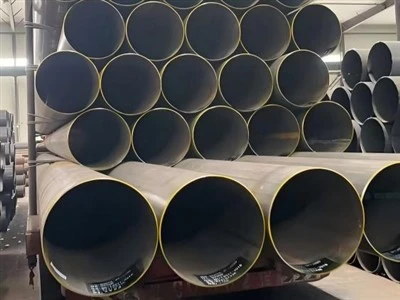
Joining two hollow sections together is a common requirement in various construction, manufacturing, and engineering projects. As a trusted hollow section supplier, I understand the importance of providing accurate information on the best methods for joining these sections. In this blog, I will discuss several techniques for joining hollow sections, their advantages, and considerations for each method.
Welding
Welding is one of the most common and effective methods for joining hollow sections. It creates a strong and permanent bond between the sections, ensuring structural integrity. There are different types of welding processes suitable for hollow sections, including:
MIG (Metal Inert Gas) Welding
MIG welding is a popular choice for joining hollow sections due to its versatility and ease of use. It uses a consumable wire electrode and an inert gas to protect the weld from oxidation. This process is suitable for both thin and thick-walled hollow sections and can be used for a wide range of materials, including steel, aluminum, and stainless steel.
Advantages:
- High welding speed
- Good weld quality
- Suitable for a variety of materials
Considerations:
- Requires proper ventilation to avoid inhaling fumes
- Skilled operators are needed for high-quality welds
TIG (Tungsten Inert Gas) Welding
TIG welding is a precise and clean welding process that produces high-quality welds. It uses a non-consumable tungsten electrode and an inert gas to protect the weld. TIG welding is ideal for joining thin-walled hollow sections and materials that require a high level of precision, such as stainless steel and aluminum.
Advantages:
- Precise control over the weld
- Produces clean and aesthetically pleasing welds
- Suitable for thin-walled sections
Considerations:
- Slower welding speed compared to MIG welding
- Requires more skill and experience
Arc Welding
Arc welding, also known as shielded metal arc welding (SMAW), is a traditional welding method that uses a consumable electrode coated with a flux. This process is suitable for joining thick-walled hollow sections and can be used in outdoor or field applications.
Advantages:
- Suitable for thick-walled sections
- Can be used in various environments
- Relatively simple and cost-effective
Considerations:
- Produces more spatter and requires more cleanup
- Requires a skilled operator to achieve high-quality welds
Mechanical Fastening
Mechanical fastening is another option for joining hollow sections. It involves using bolts, nuts, screws, or rivets to connect the sections. This method is often used when disassembly or adjustment is required.
Bolting
Bolting is a common mechanical fastening method that uses bolts and nuts to join the sections. It provides a strong and reliable connection and allows for easy disassembly and reassembly. Bolting is suitable for a wide range of applications, including structural and non-structural connections.


Advantages:
- Easy to install and remove
- Allows for adjustment and alignment
- Suitable for a variety of materials
Considerations:
- Requires proper torque tightening to ensure a secure connection
- May require additional components, such as washers and locknuts
Riveting
Riveting is a permanent mechanical fastening method that uses rivets to join the sections. It involves inserting a rivet into a pre-drilled hole and deforming the end of the rivet to create a secure connection. Riveting is commonly used in applications where a high level of strength and reliability is required, such as in the aerospace and automotive industries.
Advantages:
- Provides a strong and permanent connection
- Suitable for high-stress applications
- Can be used in thin-walled sections
Considerations:
- Requires specialized tools and equipment
- Difficult to disassemble
Adhesive Bonding
Adhesive bonding is a method of joining hollow sections using adhesives. It offers several advantages, including a strong bond, uniform stress distribution, and the ability to join dissimilar materials. Adhesive bonding is commonly used in applications where a clean and aesthetically pleasing joint is required.
Advantages:
- Provides a strong and durable bond
- Can join dissimilar materials
- Reduces stress concentration
Considerations:
- Requires proper surface preparation for optimal bonding
- Curing time may be required
- Limited to certain temperature and environmental conditions
Choosing the Right Joining Method
When choosing a joining method for hollow sections, several factors need to be considered, including:
- Material: The type of material used for the hollow sections will determine the suitable joining method. For example, welding is commonly used for steel and aluminum, while adhesive bonding may be more suitable for plastic or composite materials.
- Application: The intended application of the joined sections will also influence the choice of joining method. For example, if the sections will be subjected to high stress or vibration, a stronger joining method such as welding or mechanical fastening may be required.
- Cost: The cost of the joining method, including materials, labor, and equipment, should also be considered. Welding and mechanical fastening may be more expensive upfront, but they may offer long-term cost savings due to their durability and reliability.
- Aesthetics: If the appearance of the joint is important, adhesive bonding or a welding method that produces a clean and aesthetically pleasing weld may be preferred.
Conclusion
Joining two hollow sections together requires careful consideration of the materials, application, and joining method. As a hollow section supplier, I can provide you with high-quality hollow sections and expert advice on the best joining methods for your specific needs. Whether you choose welding, mechanical fastening, or adhesive bonding, I am committed to helping you achieve a strong and reliable connection.
If you are interested in purchasing hollow sections or need more information on joining methods, please contact me to discuss your requirements. I look forward to working with you on your next project.
References
- Welding Handbook, American Welding Society
- Mechanical Fasteners Handbook, Industrial Press
- Adhesive Bonding Handbook, Society of Manufacturing Engineers
For more information on our products, you can visit our website: