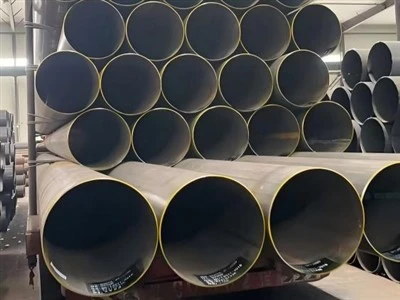
When it comes to choosing ERW (Electric Resistance Welded) steel pipes, there are numerous factors that need to be taken into consideration. As an ERW steel pipe supplier, I understand the importance of providing comprehensive information to our clients to help them make the best decisions for their projects. In this blog, I will share some key aspects that you should keep in mind when selecting ERW steel pipes.
1. Application Requirements
The first and foremost consideration is the intended application of the ERW steel pipes. Different applications have different requirements in terms of strength, durability, corrosion resistance, and other properties. For example, if you are using the pipes for structural purposes, such as in building construction or bridge building, you need pipes with high strength and good weldability. On the other hand, if the pipes are to be used in a corrosive environment, like in chemical plants or offshore platforms, corrosion-resistant pipes are essential.
- Structural Applications: In structural applications, the pipes need to withstand significant loads and stresses. You should look for pipes that meet relevant structural standards, such as ASTM A53 GR.A ERW PIPE [/erw-pipe/astm-a53-gr-a-erw-pipe.html]. These pipes are known for their high strength and are widely used in building frames, columns, and other structural components.
- Corrosive Environments: For corrosive environments, pipes with special coatings or made from corrosion-resistant materials are required. Galvanized ERW steel pipes are a popular choice as they have a zinc coating that provides protection against rust and corrosion. Additionally, stainless steel ERW pipes can also be used in highly corrosive conditions.
2. Pipe Dimensions
The dimensions of the ERW steel pipes, including diameter, wall thickness, and length, are crucial factors. The diameter of the pipe determines the flow capacity in fluid transportation applications, while the wall thickness affects the pipe's strength and pressure-bearing capacity.
- Diameter: The diameter of the pipe should be selected based on the specific requirements of the project. For example, in water supply systems, larger diameter pipes are used to ensure sufficient flow rate. In industrial applications, the diameter may be determined by the equipment or machinery that the pipes are connected to.
- Wall Thickness: The wall thickness of the pipe is directly related to its strength. Thicker walls can withstand higher pressures and loads. However, thicker pipes also come with higher costs. Therefore, it is important to strike a balance between strength and cost. You need to consider the operating pressure, external loads, and other factors when choosing the wall thickness.
- Length: The length of the pipes can also impact the installation process and cost. Longer pipes may reduce the number of joints, which can improve the overall integrity of the system. However, longer pipes may also be more difficult to transport and handle. You should consider the transportation and installation requirements when deciding on the pipe length.
3. Quality and Standards
Ensuring the quality of the ERW steel pipes is of utmost importance. High-quality pipes not only perform better but also have a longer service life. You should look for pipes that meet relevant national and international standards.
- International Standards: There are several international standards for ERW steel pipes, such as ASTM (American Society for Testing and Materials), API (American Petroleum Institute), and EN (European Norms). Pipes that comply with these standards are generally of high quality and have been tested for various properties. For example, EN39 SCAFFOLD TUBE [/erw-pipe/en39-scaffold-tube.html] meets the European standards for scaffolding applications, ensuring safety and reliability.
- Quality Control: In addition to meeting standards, the pipes should also undergo strict quality control during the manufacturing process. This includes inspections for weld quality, dimensional accuracy, and surface finish. A reliable supplier should have a comprehensive quality control system in place to ensure that the pipes meet the required specifications.
4. Weld Quality
Since ERW steel pipes are produced by welding, the quality of the weld is a critical factor. A good weld ensures the integrity and strength of the pipe.


- Welding Process: The welding process used in the production of ERW steel pipes should be carefully controlled. The most common welding process for ERW pipes is high-frequency electric resistance welding. This process produces a strong and consistent weld. However, the quality of the weld also depends on factors such as the welding parameters, the quality of the base metal, and the skill of the welders.
- Weld Inspection: After welding, the pipes should be inspected for weld defects, such as cracks, porosity, and incomplete fusion. Non-destructive testing methods, such as ultrasonic testing and magnetic particle testing, are commonly used to detect these defects. A supplier that conducts thorough weld inspections can provide you with pipes of higher quality.
5. Cost
Cost is always an important consideration when choosing ERW steel pipes. However, it is important not to compromise on quality for the sake of cost. You should compare the prices of different suppliers and consider the overall value.
- Price Comparison: When comparing prices, make sure to consider the quality of the pipes, the dimensions, and the additional services provided by the supplier. A lower price may not always mean a better deal if the quality of the pipes is poor.
- Long-Term Cost: In addition to the initial purchase cost, you should also consider the long-term cost of using the pipes. High-quality pipes may have a higher initial cost but can save you money in the long run due to their longer service life and lower maintenance requirements.
6. Supplier Reputation
The reputation of the supplier is another important factor. A reliable supplier can provide you with high-quality pipes, excellent customer service, and timely delivery.
- Experience and Expertise: Look for a supplier with extensive experience in the ERW steel pipe industry. An experienced supplier is more likely to have a better understanding of the market and the technical requirements of different applications. They can also provide you with professional advice and support.
- Customer Reviews: Check the customer reviews and testimonials of the supplier. Positive reviews indicate that the supplier has a good track record of providing quality products and services. You can also ask for references from the supplier and contact their previous customers to get first-hand information.
7. Delivery and Logistics
The delivery time and logistics of the ERW steel pipes are also important considerations. You need to ensure that the pipes can be delivered to your project site on time.
- Delivery Time: A reliable supplier should be able to provide you with an accurate delivery time. They should have a well-organized production and logistics system to ensure that the pipes are produced and delivered in a timely manner.
- Logistics Support: The supplier should also provide logistics support, such as transportation and handling. They should be able to arrange for the safe and efficient delivery of the pipes to your project site.
Conclusion
Choosing the right ERW steel pipes requires careful consideration of various factors, including application requirements, pipe dimensions, quality and standards, weld quality, cost, supplier reputation, and delivery and logistics. As an ERW steel pipe supplier, we are committed to providing our clients with high-quality pipes that meet their specific needs. If you are in the process of selecting ERW steel pipes for your project, we would be more than happy to assist you. Please feel free to contact us for more information and to discuss your requirements. We look forward to the opportunity to work with you and help you achieve your project goals.
References
- ASTM International. (2023). ASTM A53/A53M - 23 Standard Specification for Pipe, Steel, Black and Hot-Dipped, Zinc-Coated, Welded and Seamless.
- European Committee for Standardization. (2023). EN 10219-1:2023 Cold formed welded structural hollow sections of non-alloy and fine grain steels - Part 1: Technical delivery conditions.
- American Petroleum Institute. (2023). API 5L - 23 Specification for Line Pipe.