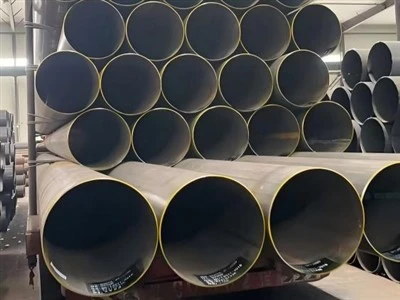
As a supplier of ERW steel pipes, I've witnessed firsthand the importance of understanding the common defects that can affect these products. ERW (Electric Resistance Welded) steel pipes are widely used in various industries, including construction, automotive, and infrastructure. However, like any manufacturing process, ERW steel pipes are not immune to defects. In this blog post, I'll discuss some of the most common defects of ERW steel pipes and how they can impact the performance and quality of the pipes.
1. Weld Defects
One of the most critical aspects of ERW steel pipes is the weld. The welding process is used to join the edges of the steel strip to form a continuous pipe. However, several weld defects can occur during this process, including:
- Lack of Fusion: This defect occurs when the weld does not fully penetrate the base metal, resulting in a weak joint. Lack of fusion can be caused by improper welding parameters, such as low welding current or incorrect electrode angle. EN39 S235GT SCAFFOLDING PIPE and other types of ERW pipes are particularly susceptible to this defect if the welding process is not carefully controlled.
- Porosity: Porosity refers to the presence of small holes or voids in the weld. It can be caused by the presence of contaminants, such as oil, rust, or moisture, in the base metal or the welding wire. Porosity weakens the weld and can lead to premature failure of the pipe.
- Cracks: Weld cracks can occur due to various factors, including excessive stress, improper welding technique, or the presence of impurities in the base metal. Cracks can propagate over time, leading to pipe failure.
2. Surface Defects
Surface defects can also affect the quality and appearance of ERW steel pipes. Some common surface defects include:
- Scratches and Dents: These can occur during handling, transportation, or storage of the pipes. Scratches and dents can reduce the pipe's strength and may also affect its corrosion resistance.
- Rust and Corrosion: ERW steel pipes are prone to rust and corrosion, especially if they are not properly protected. Rust can weaken the pipe and reduce its lifespan. Factors such as exposure to moisture, chemicals, and harsh environmental conditions can accelerate the corrosion process.
- Scale: Scale is a layer of oxide that forms on the surface of the steel during the manufacturing process. Excessive scale can affect the pipe's surface finish and may also interfere with subsequent processing, such as coating or painting.
3. Dimensional Defects
Dimensional accuracy is crucial for ERW steel pipes, especially in applications where precise fit and performance are required. Some common dimensional defects include:
- Out-of-Roundness: This defect occurs when the pipe is not perfectly circular. Out-of-roundness can affect the pipe's ability to fit into other components and may also cause problems during installation.
- Wall Thickness Variation: Inconsistent wall thickness can occur during the manufacturing process, leading to variations in the pipe's strength and performance. Wall thickness variation can be caused by factors such as uneven rolling or improper welding.
- Length Variation: Pipes may have slight variations in length, which can be a problem in applications where precise lengths are required. Length variation can be due to factors such as cutting errors or stretching during the manufacturing process.
4. Material Defects
The quality of the raw material used in ERW steel pipes can also affect their performance. Some common material defects include:


- Inclusions: Inclusions are foreign particles, such as oxides, sulfides, or nitrides, that are present in the steel. Inclusions can weaken the pipe and may also cause cracks or other defects.
- Segregation: Segregation refers to the non-uniform distribution of elements in the steel. It can occur during the casting process and can lead to variations in the pipe's mechanical properties.
- Low-Quality Steel: Using low-quality steel can result in pipes with poor mechanical properties, such as low strength or ductility. Low-quality steel may also be more prone to corrosion and other defects.
Impact of Defects on ERW Steel Pipes
The presence of defects in ERW steel pipes can have several negative impacts, including:
- Reduced Strength and Durability: Defects such as weld cracks, porosity, and material inclusions can weaken the pipe, reducing its ability to withstand stress and pressure. This can lead to premature failure of the pipe, especially in high-stress applications.
- Poor Corrosion Resistance: Surface defects, such as rust and scale, can compromise the pipe's corrosion resistance, increasing the risk of corrosion and damage over time.
- Difficulty in Installation: Dimensional defects, such as out-of-roundness and length variation, can make it difficult to install the pipes correctly, leading to additional costs and delays.
- Safety Risks: Defective pipes can pose safety risks, especially in applications where the pipes are used to transport fluids or gases under high pressure. Pipe failure can result in leaks, explosions, or other hazardous situations.
Detecting and Preventing Defects
To ensure the quality of ERW steel pipes, it is essential to detect and prevent defects during the manufacturing process. Some common methods for detecting defects include:
- Visual Inspection: Visual inspection is the most basic method of detecting surface defects, such as scratches, dents, and rust. Trained inspectors can visually examine the pipes for any signs of damage or irregularities.
- Non-Destructive Testing (NDT): NDT methods, such as ultrasonic testing, magnetic particle testing, and radiographic testing, can be used to detect internal defects, such as weld cracks and inclusions, without damaging the pipes.
- Quality Control Checks: Implementing strict quality control checks at various stages of the manufacturing process can help identify and correct defects before the pipes are shipped to customers.
To prevent defects, it is important to:
- Use high-quality raw materials: Ensure that the steel used in the manufacturing process meets the required standards and specifications.
- Control the welding process: Use proper welding parameters and techniques to ensure a strong and defect-free weld.
- Implement proper handling and storage procedures: Protect the pipes from damage during handling, transportation, and storage.
- Conduct regular maintenance: Regularly inspect and maintain the pipes to prevent corrosion and other defects.
Conclusion
As a supplier of ERW steel pipes, I understand the importance of providing high-quality products to my customers. By being aware of the common defects of ERW steel pipes and taking steps to detect and prevent them, I can ensure that my customers receive pipes that meet their requirements and perform reliably in their applications.
If you are in the market for ERW steel pipes and have any questions or concerns about the quality and performance of the pipes, I encourage you to contact me for a discussion. We can work together to find the best solution for your specific needs.
References
- ASME Boiler and Pressure Vessel Code
- ASTM International Standards
- API Specification for Line Pipe