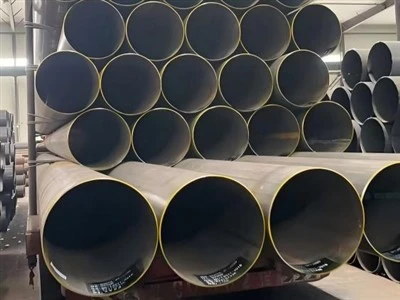
As a supplier of boiler steel pipes, I understand the critical role these pipes play in various industrial applications. Boiler steel pipes are subjected to high temperatures, pressures, and corrosive environments, which makes their maintenance a crucial aspect of ensuring their longevity and efficient performance. In this blog, I will discuss the maintenance requirements for boiler steel pipes, drawing on my experience in the industry.
Regular Inspection
One of the most important aspects of boiler steel pipe maintenance is regular inspection. Inspections should be carried out at regular intervals to detect any signs of wear, corrosion, or damage. Visual inspections can be used to check for obvious signs of damage, such as cracks, leaks, or deformation. Non-destructive testing methods, such as ultrasonic testing, radiography, and magnetic particle testing, can be used to detect internal defects that may not be visible to the naked eye.
During inspections, it is important to pay attention to the areas of the pipe that are most prone to damage, such as the joints, bends, and areas near the boiler. These areas are often subjected to higher stress and are more likely to develop cracks or leaks. Inspections should also include a check of the pipe's alignment and support to ensure that it is properly installed and not experiencing any excessive stress.
Cleaning and Descaling
Over time, boiler steel pipes can accumulate deposits of scale, rust, and other contaminants. These deposits can reduce the efficiency of the pipe and increase the risk of corrosion and damage. Regular cleaning and descaling are essential to remove these deposits and maintain the pipe's performance.
There are several methods for cleaning and descaling boiler steel pipes, including chemical cleaning, mechanical cleaning, and hydroblasting. Chemical cleaning involves the use of chemicals to dissolve the deposits, while mechanical cleaning uses brushes, scrapers, or other tools to physically remove the deposits. Hydroblasting uses high-pressure water to remove the deposits.
The choice of cleaning method will depend on the type and severity of the deposits, as well as the type of pipe and the operating conditions. It is important to follow the manufacturer's recommendations and safety guidelines when using any cleaning method.
Corrosion Prevention
Corrosion is one of the most common problems faced by boiler steel pipes. Corrosion can occur due to a variety of factors, including exposure to high temperatures, pressures, and corrosive substances. To prevent corrosion, it is important to take appropriate measures to protect the pipe.
One of the most effective ways to prevent corrosion is to use a protective coating on the pipe. There are several types of coatings available, including epoxy, polyurethane, and zinc. These coatings can provide a barrier between the pipe and the environment, preventing corrosion from occurring.
In addition to using a protective coating, it is also important to maintain the proper pH and chemical balance of the water in the boiler. This can help to prevent the formation of scale and corrosion. Regular water treatment and monitoring are essential to ensure that the water quality is within the recommended range.
Pressure Testing
Pressure testing is an important part of boiler steel pipe maintenance. Pressure testing can be used to detect any leaks or weaknesses in the pipe and to ensure that it can withstand the operating pressure. Pressure testing should be carried out at regular intervals, as recommended by the manufacturer.
There are several methods for pressure testing boiler steel pipes, including hydrostatic testing and pneumatic testing. Hydrostatic testing involves filling the pipe with water and applying pressure to test its integrity. Pneumatic testing involves using compressed air or gas to test the pipe.
The choice of pressure testing method will depend on the type of pipe and the operating conditions. It is important to follow the manufacturer's recommendations and safety guidelines when performing pressure testing.


Replacement of Worn or Damaged Parts
Over time, boiler steel pipes may experience wear and tear, and some parts may need to be replaced. It is important to replace worn or damaged parts as soon as possible to prevent further damage and ensure the safe and efficient operation of the boiler.
When replacing parts, it is important to use high-quality replacement parts that are compatible with the pipe. It is also important to follow the manufacturer's recommendations and installation instructions to ensure that the parts are installed correctly.
Conclusion
In conclusion, the maintenance of boiler steel pipes is essential to ensure their longevity and efficient performance. Regular inspection, cleaning and descaling, corrosion prevention, pressure testing, and replacement of worn or damaged parts are all important aspects of boiler steel pipe maintenance. By following these maintenance requirements, you can ensure that your boiler steel pipes are operating safely and efficiently.
If you are in the market for high-quality boiler steel pipes, I encourage you to explore our range of products, including API 5L GR.X42 SMLS STEEL PIPE, ASME SA106 / ASTM A106 SMLS Pipe, and ASTM A53/A53M Seamless Steel Pipes. Our pipes are manufactured to the highest standards and are designed to meet the most demanding applications. Contact us today to discuss your requirements and learn more about our products and services.
References
- ASME Boiler and Pressure Vessel Code
- API Standards
- ASTM Standards