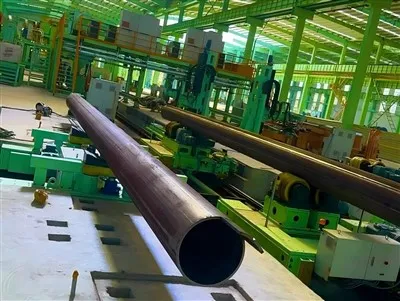
When dealing with square hollow sections (SHS), preventing deformation is crucial to ensure the quality and usability of these products. As a supplier of square hollow sections, I've encountered various challenges related to deformation and have learned effective strategies to handle them. In this blog, I'll share some key techniques and considerations to avoid deformation when working with square hollow sections.
Understanding the Causes of Deformation
Before delving into the solutions, it's essential to understand the common causes of deformation in square hollow sections. These sections can be made through different processes such as hot - rolling or cold - forming. Each process has its own set of factors that might lead to deformation.
1. Improper Handling During Transportation
During transportation, if square hollow sections are not properly secured, they can experience impacts and vibrations. These external forces can cause dents, bends, or twists in the sections. For example, if the sections are stacked haphazardly in a truck without adequate padding or support, they may collide with each other during transit, leading to deformation.
2. Incorrect Storage Conditions
Storage plays a significant role in maintaining the integrity of square hollow sections. If they are stored on uneven surfaces, the weight of the sections can cause them to bend over time. Additionally, exposure to extreme temperatures and humidity can also affect the material properties. For instance, in a humid environment, the sections may rust, which can weaken the material and make it more prone to deformation.
3. Inappropriate Cutting and Welding
When cutting or welding square hollow sections, incorrect techniques can cause deformation. During cutting, if the heat input is too high, it can lead to thermal distortion. Similarly, in welding, improper welding sequences, excessive heat, or lack of proper pre - and post - welding treatments can result in warping and other forms of deformation.
Strategies to Avoid Deformation
1. Proper Transportation and Handling
- Secure Packaging: When shipping square hollow sections, we use high - quality packaging materials. We wrap the sections with protective films to prevent scratches and use wooden pallets or steel frames for support. This ensures that the sections are well - cushioned and less likely to be damaged during transit.
- Correct Loading: We follow strict loading procedures. For example, we stack the sections in an orderly manner, making sure that the weight is evenly distributed. We also use straps and braces to secure the load, reducing the risk of movement and impact.
2. Optimal Storage
- Level Surfaces: We store our square hollow sections on flat and level surfaces. This can be a concrete floor or a specially designed storage rack. By ensuring a stable base, we prevent the sections from bending under their own weight.
- Controlled Environment: Our storage facilities are equipped with temperature and humidity control systems. This helps to maintain the material properties of the sections, reducing the risk of rust and other forms of damage that could lead to deformation.
3. Precise Cutting and Welding
- Advanced Cutting Techniques: We use modern cutting technologies such as laser cutting. Laser cutting offers precise control over the heat input, minimizing thermal distortion. It allows us to cut the square hollow sections with high accuracy, which is essential for maintaining their shape.
- Professional Welding Processes: Our welding operators are highly trained and follow strict welding procedures. We use appropriate welding parameters, including welding current, voltage, and speed. Additionally, we implement pre - heating and post - heating treatments to relieve stress and reduce the likelihood of warping.
The Role of Material Quality
The quality of the material itself also has a significant impact on deformation resistance. As a supplier, we only source square hollow sections from trusted manufacturers. We offer Hot Finished Hollow Sections, which are known for their high - strength and good ductility. The manufacturing process of these sections ensures a more uniform internal structure, making them less prone to deformation compared to lower - quality alternatives.


Conclusion
In conclusion, handling square hollow sections to avoid deformation requires a comprehensive approach that covers transportation, storage, and fabrication. By understanding the causes of deformation and implementing the strategies mentioned above, we can ensure that the square hollow sections we supply meet the highest quality standards.
We also offer EN 10219 S355J2H Square Hollow Section, which is widely recognized for its excellent mechanical properties and is suitable for a variety of applications. Additionally, our EN10217 LSAW PIPE is another high - quality product that adheres to strict industry standards.
If you are in the market for square hollow sections or related products, we invite you to contact us for procurement discussions. We are committed to providing you with the best quality products and professional services to meet your specific needs.
References
- "Steel Construction Manual", American Institute of Steel Construction
- "Welding Handbook", American Welding Society