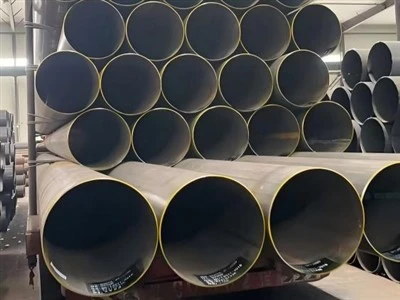
Storing rectangular tubes properly is crucial for maintaining their quality and preventing damage. As a rectangular tube supplier, I understand the importance of implementing effective storage strategies to ensure that our products reach our customers in pristine condition. In this blog post, I will share some valuable insights on how to store rectangular tubes to prevent damage.
Understanding the Characteristics of Rectangular Tubes
Before delving into storage methods, it's essential to understand the characteristics of rectangular tubes. Rectangular tubes are typically made of steel, aluminum, or other metals, and they come in various sizes and wall thicknesses. These tubes are often used in construction, manufacturing, and other industries for structural applications.


One of the primary concerns when storing rectangular tubes is preventing corrosion. Metal tubes are susceptible to rust and corrosion when exposed to moisture and oxygen. Additionally, rectangular tubes can be easily dented or scratched, which can compromise their structural integrity. Therefore, proper storage is essential to protect the tubes from these potential hazards.
Choosing the Right Storage Location
The first step in storing rectangular tubes is to choose the right location. The storage area should be dry, well-ventilated, and protected from the elements. Ideally, the storage facility should be indoors to minimize exposure to moisture, rain, and sunlight. If outdoor storage is necessary, the tubes should be covered with a waterproof tarp to prevent water damage.
The storage area should also be free from sharp objects and debris that could scratch or damage the tubes. It's important to keep the storage area clean and organized to prevent accidents and ensure easy access to the tubes.
Stacking and Support
Proper stacking and support are crucial for preventing damage to rectangular tubes. When stacking the tubes, it's important to ensure that they are evenly distributed and supported to prevent bending or warping. The tubes should be stacked in a stable manner, with the bottom layer providing a solid foundation for the upper layers.
To prevent the tubes from rolling or shifting, it's recommended to use spacers or blocking between the layers. This will help to keep the tubes in place and prevent them from colliding with each other. Additionally, the tubes should be stacked in a way that allows for easy access and handling.
Protecting the Tubes
In addition to proper stacking and support, it's important to protect the tubes from damage during storage. One way to do this is to use protective covers or sleeves to prevent scratches and dents. These covers can be made of plastic, rubber, or other materials and can be easily removed when the tubes are ready to be used.
Another way to protect the tubes is to apply a protective coating or finish. This can help to prevent corrosion and extend the lifespan of the tubes. There are various types of coatings available, including paint, galvanizing, and powder coating. The choice of coating will depend on the specific requirements of the application and the environment in which the tubes will be used.
Monitoring and Maintenance
Regular monitoring and maintenance are essential for ensuring the quality and integrity of the stored rectangular tubes. It's important to inspect the tubes regularly for signs of damage, corrosion, or other issues. If any problems are detected, they should be addressed immediately to prevent further damage.
In addition to regular inspections, it's also important to perform routine maintenance on the storage facility. This includes cleaning the storage area, checking the ventilation system, and ensuring that the protective covers and coatings are in good condition. By taking these steps, you can help to ensure that the rectangular tubes are stored in optimal conditions and are ready for use when needed.
Conclusion
Storing rectangular tubes properly is essential for preventing damage and ensuring their quality and integrity. By choosing the right storage location, stacking and supporting the tubes correctly, protecting them from damage, and performing regular monitoring and maintenance, you can help to ensure that your rectangular tubes are stored in optimal conditions.
If you're in the market for rectangular tubes, I encourage you to [contact us]([Your Contact Page URL]) to discuss your specific requirements. We offer a wide range of rectangular tubes in various sizes and materials, and our team of experts can help you choose the right product for your application. Additionally, we offer API5l X52m Psl2 LSAW Pipe, ASTM A618/A618M-21 Hot-Formed Welded And Seamless Hollow Sections, and DN40 Galvanized Steel Pipe. You can find more information about these products by clicking on the following links:
- API5l X52m Psl2 LSAW Pipe
- ASTM A618/A618M-21 Hot-Formed Welded And Seamless Hollow Sections
- DN40 Galvanized Steel Pipe
We look forward to working with you to meet your rectangular tube needs.
References
- Smith, J. (2020). Best Practices for Storing Metal Tubes. Metalworking Magazine.
- Johnson, A. (2019). Preventing Corrosion in Stored Steel Tubes. Industrial Storage Journal.
- Brown, C. (2018). Proper Stacking and Support for Rectangular Tubes. Construction Materials Review.