AS1163 C350L0 CHS is a high-strength structural steel widely used in construction and engineering projects. As with any steel product, concerns about rust and corrosion are common among engineers, architects, and contractors. This blog post delves into the corrosion resistance properties of AS1163 C350L0 CHS, comparing it to other structural steels and exploring its applications in various industries.
What are the corrosion resistance properties of AS1163 C350L0 CHS?
AS1163 C350L0 CHS, like all steel products, is susceptible to rust and corrosion under certain conditions. However, it's important to understand the specific properties of this steel grade and how they contribute to its corrosion resistance.
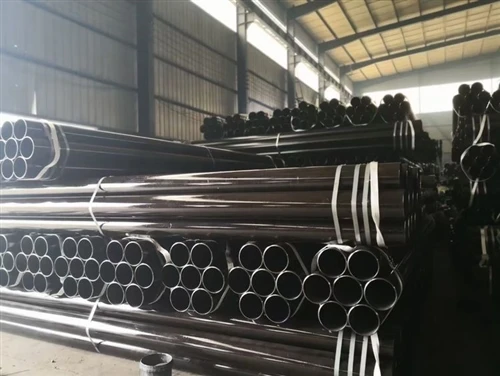
AS1163 C350L0 CHS is a cold-formed hollow structural section made from C350L0 grade steel. The "C350" designation indicates its minimum yield strength of 350 MPa, while "L0" denotes its impact toughness properties. This steel grade is known for its excellent strength-to-weight ratio, making it a popular choice for structural applications.
When it comes to corrosion resistance, AS1163 C350L0 CHS performs similarly to other carbon steels. While it doesn't have inherent corrosion-resistant properties like stainless steel, it can be effectively protected against rust and corrosion through various methods:
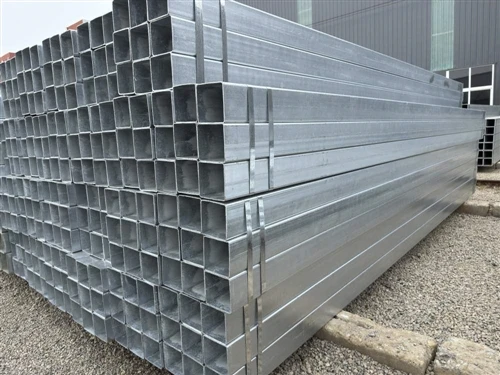
1. Galvanization: Hot-dip galvanizing is a common and effective way to protect AS1163 C350L0 CHS from corrosion. The steel is coated with a layer of zinc, which acts as a sacrificial anode, protecting the underlying steel from corrosive elements.
2. Protective coatings: Various types of paints and coatings can be applied to AS1163 C350L0 CHS to create a barrier against moisture and other corrosive agents. These include epoxy coatings, polyurethane paints, and specialized anti-corrosion primers.
3. Cathodic protection: In some applications, particularly in marine environments, cathodic protection systems can be employed to prevent corrosion of AS1163 C350L0 CHS structures.
4. Regular maintenance: Proper inspection and maintenance routines can significantly extend the life of AS1163 C350L0 CHS structures by identifying and addressing potential corrosion issues early.
It's worth noting that the corrosion resistance of AS1163 C350L0 CHS can be influenced by factors such as environmental conditions, exposure to chemicals, and the presence of dissimilar metals in the structure. In particularly aggressive environments, additional protective measures may be necessary to ensure the longevity of the steel.
How does AS1163 C350L0 CHS compare to other structural steels?
When evaluating AS1163 C350L0 CHS against other structural steels, it's essential to consider various factors, including strength, formability, weldability, and corrosion resistance. Here's how it stacks up:
1. Strength: AS1163 C350L0 CHS offers excellent strength properties, with a minimum yield strength of 350 MPa. This makes it comparable to, or in some cases stronger than, other commonly used structural steels like S355 or ASTM A500 Grade C.
2. Formability: As a cold-formed hollow section, AS1163 C350L0 CHS exhibits good formability characteristics. This allows for the creation of various shapes and sizes to meet specific project requirements.
3. Weldability: The steel grade used in AS1163 C350L0 CHS is known for its good weldability, which is crucial for structural applications. This property makes it easier to join sections and create complex structures.
4. Weight-to-strength ratio: AS1163 C350L0 CHS offers an excellent balance between strength and weight. This makes it particularly attractive for applications where minimizing structural weight is important, such as in tall buildings or long-span structures.
5. Corrosion resistance: In terms of inherent corrosion resistance, AS1163 C350L0 CHS is similar to other carbon steels. It doesn't offer the same level of corrosion resistance as stainless steels or weathering steels like Cor-Ten. However, with proper protection methods, it can provide long-lasting performance in various environments.
6. Cost-effectiveness: Compared to some specialized corrosion-resistant steels, AS1163 C350L0 CHS often presents a more cost-effective solution, especially when factoring in its strength properties and the availability of effective corrosion protection methods.
7. Availability and standardization: AS1163 C350L0 CHS is widely available and conforms to Australian standards, making it a reliable choice for projects in Australia and other countries that recognize these standards.
When comparing AS1163 C350L0 CHS to other structural steels in terms of corrosion resistance, it's important to consider the specific application and environment. For example:
In mild environments with proper protection, AS1163 C350L0 CHS can perform just as well as more expensive corrosion-resistant steels.
In highly corrosive environments, such as coastal areas or industrial settings, specialized steels like duplex stainless steel might offer better inherent corrosion resistance but at a significantly higher cost.
For applications requiring a balance of strength, formability, and corrosion resistance with appropriate protection measures, AS1163 C350L0 CHS often emerges as an optimal choice.
What applications benefit most from AS1163 C350L0 CHS?
AS1163 C350L0 CHS finds its way into a wide range of applications across various industries. Its combination of strength, formability, and versatility makes it an excellent choice for many structural and engineering projects. Here are some of the key applications that benefit most from the use of AS1163 C350L0 CHS:
1. Building and Construction:
High-rise buildings: AS1163 C350L0 CHS is often used in the construction of tall buildings, where its high strength-to-weight ratio allows for efficient structural designs.
Commercial and industrial structures: The steel's versatility makes it suitable for a wide range of commercial and industrial buildings, from warehouses to shopping centers.
Residential construction: In modern architectural designs, exposed structural elements made from AS1163 C350L0 CHS can serve both functional and aesthetic purposes.
2. Infrastructure:
Bridges: The steel's strength and ability to span long distances make it ideal for bridge construction, particularly for pedestrian bridges and smaller road bridges.
Transmission towers: AS1163 C350L0 CHS is commonly used in the construction of electricity transmission towers, where its strength and resistance to wind loads are crucial.
Stadiums and arenas: Large public structures benefit from the steel's ability to create strong, lightweight frameworks that can support expansive roofs and seating areas.
3. Transportation:
Railway infrastructure: AS1163 C350L0 CHS is used in the construction of railway stations, platforms, and supporting structures for overhead lines.
Airport terminals: The steel's versatility allows for the creation of large, open spaces required in modern airport designs.
4. Industrial Applications:
Mining equipment: The high strength of AS1163 C350L0 CHS makes it suitable for various mining applications, including structural components of heavy machinery.
Oil and gas infrastructure: Offshore platforms and onshore processing facilities often incorporate AS1163 C350L0 CHS in their structural designs.
5. Renewable Energy:
Wind turbine towers: The steel's strength and formability make it an excellent choice for constructing wind turbine towers.
Solar panel support structures: Large-scale solar farms benefit from the durability and corrosion resistance (when properly protected) of AS1163 C350L0 CHS.
6. Agricultural Structures:
Barns and storage facilities: The steel's strength and span capabilities make it ideal for creating large, open agricultural buildings.
Greenhouse frameworks: AS1163 C350L0 CHS can be used to construct strong, lightweight frames for commercial greenhouses.
7. Marine Applications:
Port infrastructure: When properly protected against corrosion, AS1163 C350L0 CHS can be used in the construction of port facilities, including cargo handling structures and storage areas.
Offshore structures: Various offshore applications, from oil rigs to research platforms, can benefit from the steel's properties.
In all these applications, the key benefits of AS1163 C350L0 CHS come to the fore:
High strength allowing for efficient, lightweight designs
Good formability enabling the creation of various shapes and sizes
Excellent weldability facilitating easy fabrication and on-site assembly
Cost-effectiveness compared to more specialized steels
Ability to be effectively protected against corrosion for long-term durability
It's important to note that in many of these applications, especially those exposed to harsh environments or corrosive elements, proper corrosion protection measures are essential. This typically involves galvanization, protective coatings, or other methods discussed earlier in this article.
The versatility of AS1163 C350L0 CHS, combined with its strength and formability, makes it a go-to choice for engineers and architects looking to create durable, efficient structures across a wide range of industries. As construction techniques and protective technologies continue to evolve, we can expect to see even more innovative applications for this versatile steel grade in the future.
In conclusion, while AS1163 C350L0 CHS, like all steel, can rust under certain conditions, its excellent properties and the availability of effective corrosion protection methods make it a valuable material in numerous applications. By understanding its characteristics and implementing appropriate protection strategies, engineers and designers can leverage the strengths of AS1163 C350L0 CHS to create durable, efficient structures that stand the test of time.
References:
1. Australian Standard AS 1163:2016 - Structural steel hollow sections
2. BlueScope Steel. (n.d.). Corrosion Technical Bulletin CTB-1: General Introduction to Corrosion.
3. WorldSteel Association. (2020). Steel in Construction.
4. American Institute of Steel Construction. (2017). Steel Construction Manual, 15th Edition.
5. Baddoo, N. R. (2008). Stainless steel in construction: A review of research, applications, challenges and opportunities. Journal of Constructional Steel Research, 64(11), 1199-1206.
6. Galvanizers Association of Australia. (n.d.). Hot Dip Galvanizing for Corrosion Protection of Steel Products.
7. Ashby, M. F., & Jones, D. R. H. (2012). Engineering Materials 1: An Introduction to Properties, Applications and Design. Butterworth-Heinemann.
8. National Association of Corrosion Engineers (NACE). (2012). Corrosion Costs and Preventive Strategies in the United States.
9. European Committee for Standardization. (2004). Eurocode 3: Design of steel structures.
10. American Society for Testing and Materials. (2020). ASTM A500 / A500M - 20 Standard Specification for Cold-Formed Welded and Seamless Carbon Steel Structural Tubing in Rounds and Shapes.