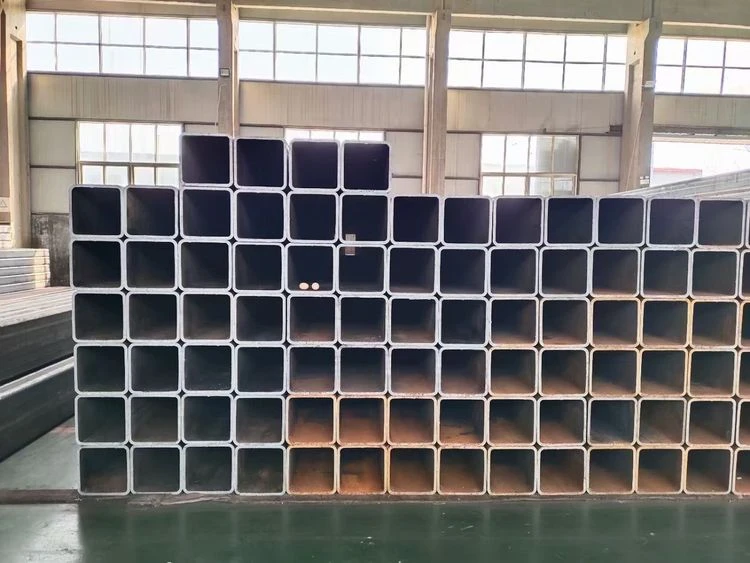
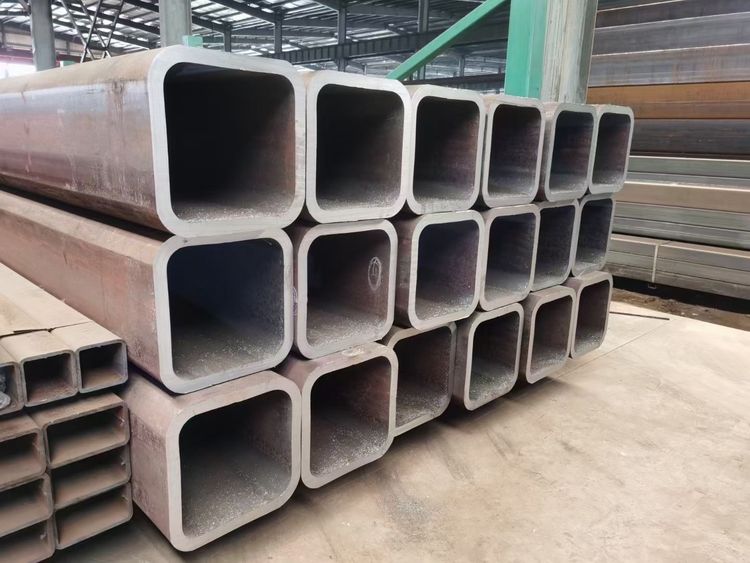
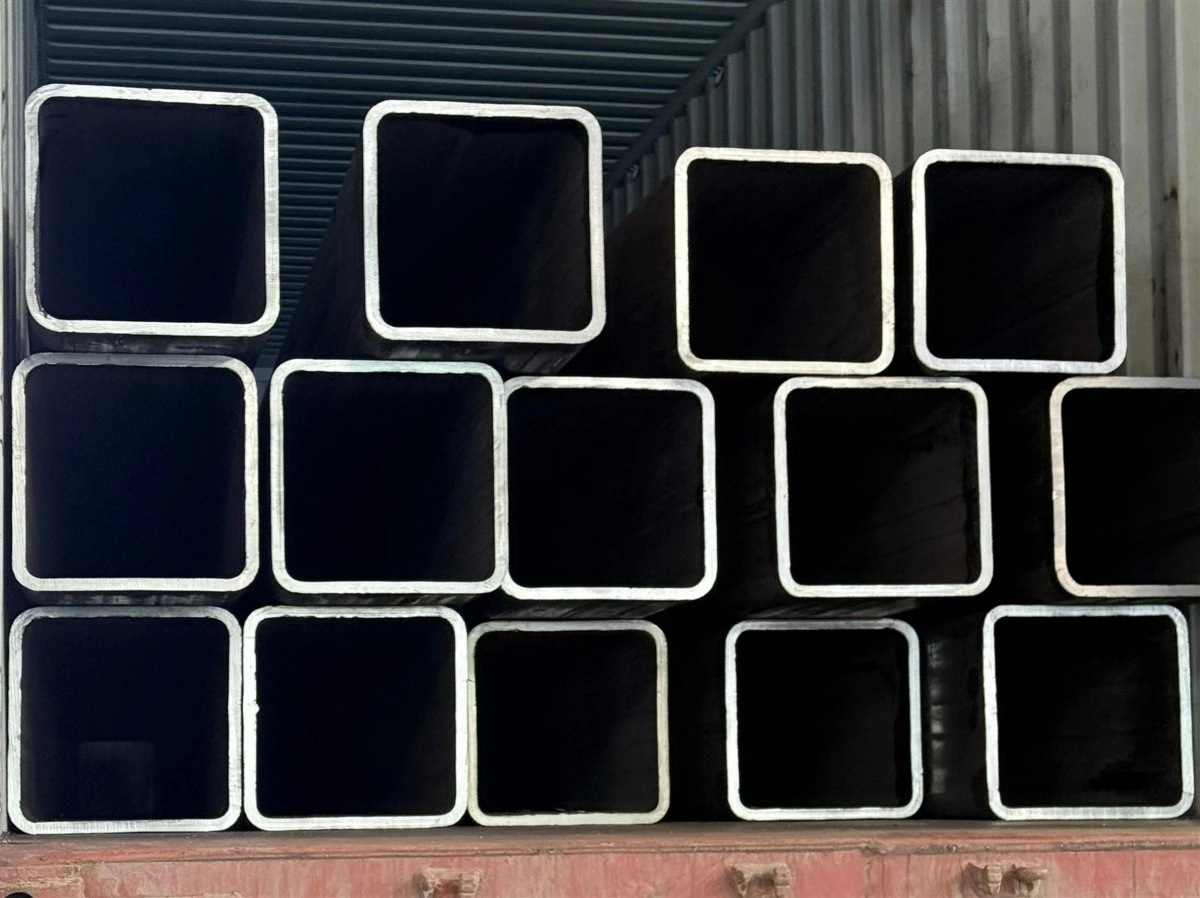
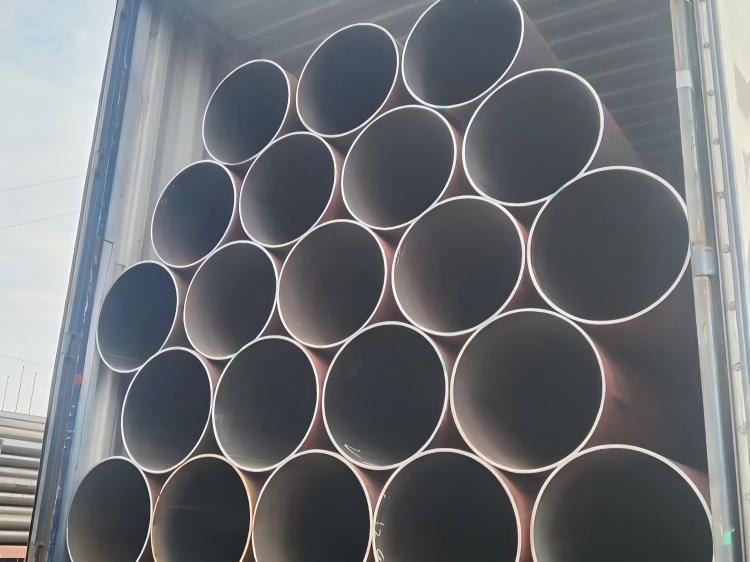
Tianjin Brisk Metalwork Co., Ltd. is one of the leading manufacturers and suppliers of s275j2h structural hollow section in China. We have world-leading production equipment and strong manufacturing capabilities. Please feel free to buy bulk durable s275j2h structural hollow section from our factory.
What Does the -20 degC Rating Actually Protect Against?
S275J2H carries the same ~275 MPa minimum yield strength as the rest of the S275 family, but its Charpy impact test is run at -20 degC rather than the 0 degC threshold used for J0H. That 20-degree margin matters because exposed structural steel does not track ambient air temperature - it tracks radiative cooling, which on a clear, still, cold night can push an unheated exposed member several degrees below the surrounding air reading. A design that only checks the region's average winter minimum can understate the actual steel temperature the connection sees on its coldest, most exposed night.
Why Does Section Thickness Push You Toward J2H, Even in a Milder Climate?
This is the part most buyers - and more than a few fabricators - miss: toughness requirements in structural steel design are not set by temperature alone; they are set by a combination of minimum service temperature and material thickness. Eurocode 3's material toughness selection method (EN 1993-1-10) links the two directly - a thicker section at a given minimum service temperature requires a higher toughness subgrade than a thinner one, because thicker material carries more restraint, higher residual stress from welding, and a larger critical flaw size at the same stress level.
In practice, that means:
- A thin-walled J0H section might clear the brittle-fracture check comfortably at a -10 degC design temperature.
- The same grade at a heavier wall thickness, carrying the same stress at the same -10 degC, can fail that check and require stepping up to J2H - not because the climate changed, but because the section got thicker.
We flag this on every quote where a buyer specifies J0H on wall thickness above roughly 16mm for outdoor structural use - it is worth a five-minute check against your design temperature before material is rolled, not after.
What Shapes and Sizes Do We Currently Run in S275J2H?
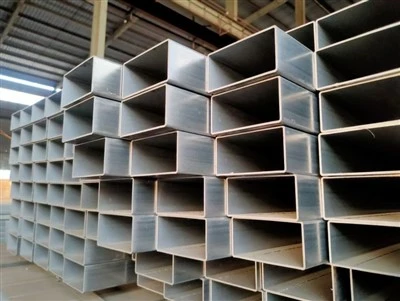
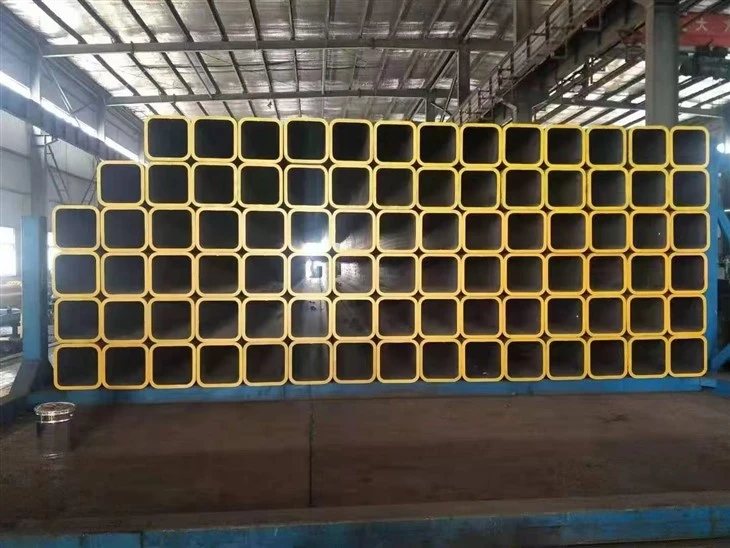
- Square (SHS): 20x20mm to 500x500mm
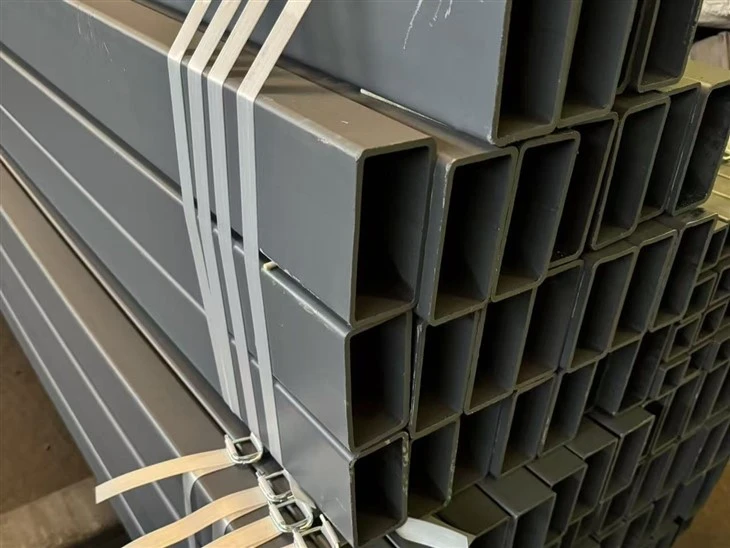
- Rectangular (RHS): 20x10mm to 1500x1000mm
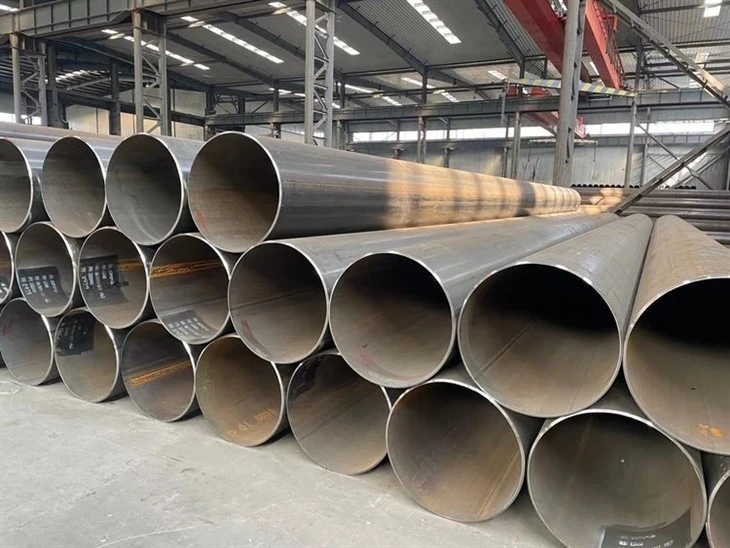
- Circular (CHS): 21.3mm to 610mm OD
- Wall thickness: 2mm to 25mm, with heavier walls produced against confirmed drawings
- Standard lengths: 6m and 12m; cut-to-length and random lengths available
- Standards: produced to EN 10210 (hot-finished) or EN 10219 (cold-formed) on request - the J2H designation is used under both, so confirm which route your specification calls for
How Do We Verify -20 degC Toughness on Every Batch?
- Fine-grain steel sourced with a controlled carbon equivalent value, keeping the material weldable on site without special preheat procedures in most thickness ranges.
- Charpy V-notch impact testing at -20 degC, taken from batch-representative samples rather than a single reference coil, with three-specimen sets per the standard's averaging requirement.
- Seam and full-body inspection before cutting, so toughness testing reflects finished section condition, not just incoming coil.
- Batch-linked mill certificates, with 3.1 inspection documents issued on request for EN 1090 CE-marked structural work.
- Dimensional and squareness checks carried through the same production run the toughness sample was pulled from.
Case in point
A steel fabricator in northern China specified S275J0H for an exposed pedestrian bridge deck frame, with a governing wall thickness of 20mm on the main chords. The project's minimum service temperature check came out at -15 degC. When the structural engineer ran the thickness-vs-toughness verification against the specified subgrade, the 20mm wall exceeded the maximum thickness permitted for J0H at that service temperature, and the order had to be revised to S275J2H before mill release. Because the change was caught before rolling - not after delivery - the only cost was a 4-day schedule slip to re-book the correct grade, versus what would have been a full re-order if the mismatch had surfaced after the 46-tonne batch was already cut and shipped.
FAQ
Q: Is S275J2H significantly more expensive than S275J0H?
A: The premium is modest on most standard sizes - it reflects the additional testing requirement more than a different raw material cost. Send us your size and tonnage and we will quote both grades side by side so you can compare directly.
Q: Can you supply S275J2H with a hot-dip galvanized or painted finish?
A: Yes - both finishes are available on the same J2H core material, and the impact rating is unaffected by either coating process.
Q: Do you test every length, or only per batch?
A: Testing follows the standard's batch-sampling requirement, drawn from production-representative material - not every individual length is destructively tested, but every batch is traceable to its test certificate by heat number.
Q: What documentation should I request if this material is going into an EN 1090 CE-marked structure?
A: Ask for a 3.1 inspection certificate rather than the standard 2.2 mill report - we issue either on request, so specify it at order stage to avoid a documentation gap during audit.


Hot Tags: s275j2h structural hollow section, China s275j2h structural hollow section manufacturers, suppliers, factory