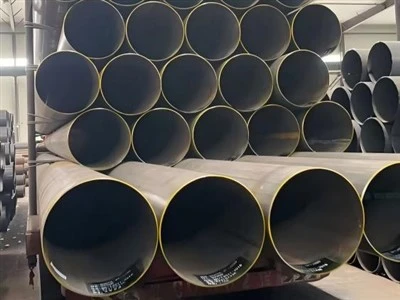
What is the surface finish of ASTM A36 hollow sections?
As a reliable supplier of ASTM A36 hollow sections, I often encounter inquiries regarding the surface finish of these essential structural components. The surface finish of ASTM A36 hollow sections plays a crucial role in not only their aesthetic appeal but also their performance and durability in various applications. In this blog post, I'll delve into the details of the surface finish of ASTM A36 hollow sections, exploring its characteristics, influencing factors, and the importance it holds in different industries.
Understanding ASTM A36 Hollow Sections
Before we dive into the surface finish, let's briefly understand what ASTM A36 hollow sections are. ASTM A36 is a standard specification for carbon structural steel, which is one of the most commonly used steels in construction and general structural applications. Hollow sections made from ASTM A36 steel are available in various shapes, such as square, rectangular, and circular, and they are known for their excellent strength - to - weight ratio, weldability, and affordability. These sections are widely used in building frames, bridges, machinery, and many other structures.
Types of Surface Finishes of ASTM A36 Hollow Sections
Mill Finish
The most common surface finish for ASTM A36 hollow sections is the mill finish. When the sections are produced at the steel mill, they come with a natural, uncoated surface. This finish is a result of the manufacturing process, which includes hot - rolling or cold - forming.


Hot - rolled mill finish ASTM A36 hollow sections typically have a rough and scaly surface. During the hot - rolling process, the steel is heated to a high temperature and then passed through rollers to achieve the desired shape. As the steel cools, a layer of mill scale forms on the surface. Mill scale is a thin layer of iron oxide that gives the section a dark, somewhat rough appearance. This finish is suitable for applications where appearance is not a primary concern, such as in the construction of internal structural frames in buildings or in industrial machinery where the sections are not visible.
Cold - formed ASTM A36 hollow sections, on the other hand, have a smoother mill finish compared to hot - rolled ones. Cold - forming involves shaping the steel at room temperature, which results in a more uniform and less scaly surface. Cold - formed sections are often used in applications where a relatively smooth surface is required, such as in some architectural structures or in equipment where a certain level of surface quality is needed.
Galvanized Finish
Galvanizing is a popular surface treatment for ASTM A36 hollow sections. Galvanizing involves coating the steel with a layer of zinc to protect it from corrosion. There are two main types of galvanizing processes: hot - dip galvanizing and electro - galvanizing.
Hot - dip galvanizing is the more common method for ASTM A36 hollow sections. In this process, the sections are immersed in a bath of molten zinc at a temperature of around 450°C. The zinc reacts with the steel to form a series of zinc - iron alloy layers, followed by a top layer of pure zinc. Hot - dip galvanized ASTM A36 hollow sections have a shiny, silver - gray appearance. This finish provides excellent corrosion protection, especially in outdoor or harsh environments. For example, in bridge construction, galvanized ASTM A36 hollow sections can withstand the effects of rain, humidity, and pollutants for many years without significant corrosion.
Electro - galvanizing is a less common option for ASTM A36 hollow sections. It involves depositing a thin layer of zinc onto the steel surface using an electric current. Electro - galvanized sections have a more uniform and smoother appearance compared to hot - dip galvanized ones. However, the zinc coating in electro - galvanizing is generally thinner than that in hot - dip galvanizing, which means it offers less long - term corrosion protection. Electro - galvanized sections are often used in indoor applications where the risk of corrosion is relatively low, such as in some furniture or decorative structures.
Painted Finish
Painted finish is another option for ASTM A36 hollow sections. Painting can be used to enhance the appearance of the sections and also provide some level of corrosion protection. Before painting, the surface of the section usually needs to be properly prepared, which may involve cleaning, sanding, or priming.
There are various types of paints that can be used on ASTM A36 hollow sections, such as epoxy paints, acrylic paints, and polyurethane paints. Epoxy paints are known for their excellent adhesion and chemical resistance, making them suitable for industrial applications where the sections may be exposed to chemicals or solvents. Acrylic paints are more commonly used for architectural applications due to their good color retention and weatherability. Polyurethane paints offer high - gloss finishes and are often used in applications where a decorative appearance is required.
Factors Influencing the Surface Finish
Manufacturing Process
As mentioned earlier, the manufacturing process (hot - rolling, cold - forming) has a significant impact on the initial surface finish of ASTM A36 hollow sections. The temperature, speed, and pressure during the rolling or forming process can all affect the surface quality. For example, in hot - rolling, the cooling rate of the steel after rolling can influence the formation and characteristics of the mill scale.
Environmental Conditions
The environment in which the sections are stored and used also affects the surface finish. If the sections are stored in a humid or corrosive environment, the mill - finished surface may start to rust quickly. Galvanized or painted sections can also be affected by environmental factors. For instance, in a coastal area with high salt content in the air, the zinc coating on galvanized sections may gradually erode over time, and the paint on painted sections may start to peel or fade.
Post - Treatment Processes
Any post - treatment processes, such as cutting, welding, or bending, can also affect the surface finish. Cutting the sections can leave rough edges or heat - affected zones, which may require additional finishing operations. Welding can cause discoloration and distortion of the surface finish, especially in galvanized or painted sections. Bending the sections may also cause damage to the surface coating if not done properly.
Importance of Surface Finish in Different Industries
Construction Industry
In the construction industry, the surface finish of ASTM A36 hollow sections can have a significant impact on the overall quality and longevity of the structure. For internal structural frames, mill - finished sections are often sufficient as long as they are protected from corrosion by proper design and maintenance. However, for external or visible parts of a building, such as facades or architectural elements, a more aesthetically pleasing finish like painted or galvanized is preferred. Galvanized sections are also widely used in outdoor structures like bridges and transmission towers, where corrosion protection is crucial for the long - term safety of the structure.
Machinery and Equipment Industry
In the machinery and equipment industry, the surface finish of ASTM A36 hollow sections affects both the performance and appearance of the equipment. A smooth surface finish can reduce friction and wear in moving parts, improving the efficiency and lifespan of the machinery. For example, in conveyor systems, cold - formed or galvanized ASTM A36 hollow sections can provide a smooth surface for the movement of materials. At the same time, a good surface finish can also enhance the overall look of the equipment, which is important for marketing and customer acceptance.
Conclusion and Call to Action
The surface finish of ASTM A36 hollow sections is a crucial aspect that should not be overlooked. Whether you need a mill - finished section for a cost - effective internal structure or a galvanized or painted section for enhanced corrosion protection and aesthetics, we, as a supplier of ASTM A36 hollow sections, can meet your requirements.
We offer a wide range of HOT FORMED SQUARE HOLLOW SECTIONS, AS/NZS 1163 C350/C450 HOLLOW STRUCTURAL SECTION, and ASTM A500 Gr.b Hollow Section with different surface finishes to suit various applications. If you are in the market for high - quality ASTM A36 hollow sections and want to discuss your specific needs, we encourage you to contact us for a detailed consultation and to start a procurement negotiation. We are committed to providing you with the best products and services to ensure the success of your projects.
References
- ASTM International. ASTM A36/A36M - 21a, Standard Specification for Carbon Structural Steel.
- Metals Handbook: Properties and Selection: Irons and Steels, ASM International.
- Galvanizers Association. Guide to Hot - Dip Galvanizing.