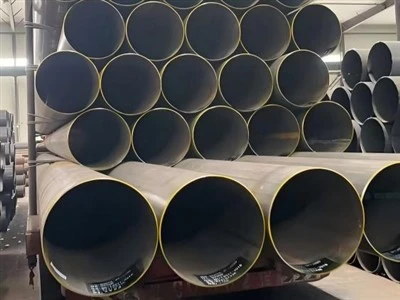
Are ERW Pipes Fire-Resistant?
As a supplier of Electric Resistance Welded (ERW) pipes, I often encounter inquiries regarding the fire - resistance of our products. This topic is of great significance, especially in industries where fire safety is a top priority, such as construction, oil and gas, and power generation. In this blog post, I will delve into the question of whether ERW pipes are fire - resistant, exploring the factors that influence their performance in high - temperature and fire situations.
Understanding ERW Pipes
Before discussing fire resistance, it's essential to understand what ERW pipes are. ERW pipes are made by cold - forming a flat steel strip into a cylindrical shape and then welding the edges together using an electric current. This manufacturing process is highly efficient and produces pipes with consistent quality and dimensions. Our company offers a wide range of ERW pipes, including ASTM A672 EFW Pipes, API 5L GR.X42 ERW STEEL PIPE, and ERW Steel Pipe, which are widely used in various applications.
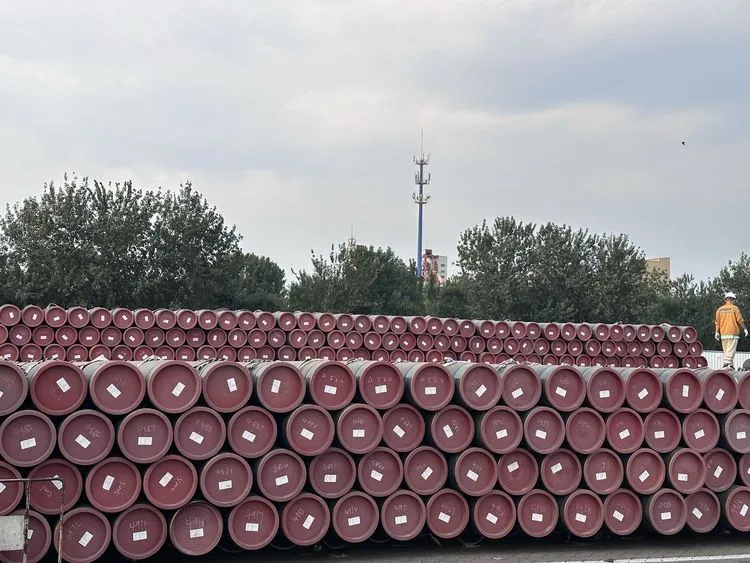

The Basics of Fire Resistance
Fire resistance refers to a material's ability to withstand the effects of fire and high temperatures without losing its structural integrity or functionality. In the context of pipes, fire resistance is crucial as it ensures that the pipes can continue to perform their intended functions, such as transporting fluids or gases, during a fire event.
Steel, the primary material used in ERW pipes, is a non - combustible material. This means that it does not catch fire easily and does not contribute to the spread of flames. However, steel does lose its strength as the temperature rises. At around 500°C (932°F), steel begins to lose significant strength, and at approximately 600°C (1112°F), it can lose up to half of its room - temperature strength.
Factors Affecting the Fire Resistance of ERW Pipes
-
Steel Composition
The chemical composition of the steel used in ERW pipes can have a significant impact on its fire resistance. For example, steels with higher levels of alloying elements such as chromium, nickel, and molybdenum tend to have better high - temperature strength and oxidation resistance. These elements form a protective oxide layer on the surface of the steel, which can slow down the rate of oxidation and help maintain the pipe's structural integrity at high temperatures. -
Pipe Wall Thickness
Thicker - walled ERW pipes generally have better fire resistance than thinner - walled ones. A thicker wall provides more material to absorb and dissipate heat, which can delay the onset of significant strength loss. In fire - prone areas, specifying pipes with an appropriate wall thickness is an important consideration for ensuring fire safety. -
Insulation
Applying insulation to ERW pipes can greatly enhance their fire resistance. Insulating materials act as a barrier between the pipe and the high - temperature environment, reducing the rate at which heat is transferred to the pipe. There are various types of insulation materials available, such as mineral wool, ceramic fiber, and intumescent coatings. Intumescent coatings, in particular, are popular for their ability to expand when exposed to heat, forming a thick, insulating char layer that protects the pipe. -
Weld Quality
The quality of the weld in ERW pipes is also a critical factor in fire resistance. A well - made weld has similar properties to the base metal, ensuring that the pipe remains structurally sound during a fire. Poor weld quality can lead to weaknesses in the pipe, which may cause the pipe to fail more quickly under high - temperature conditions.
Testing and Standards
To ensure the fire resistance of ERW pipes, various testing methods and standards have been established. For example, the ASTM E119 test measures the fire endurance of building materials, including pipes. This test involves subjecting the pipe to a standard fire curve and monitoring its performance over a specified period. Pipes that meet the requirements of this test are considered to have a certain level of fire resistance.
In addition to ASTM standards, there are also industry - specific standards for fire - resistant pipes. For instance, in the oil and gas industry, pipes must meet the requirements of API standards to ensure their performance in fire - prone environments.
Applications and Fire Resistance Requirements
-
Building Construction
In building construction, ERW pipes are commonly used for plumbing, heating, and ventilation systems. In high - rise buildings and other structures where fire safety is a major concern, fire - resistant pipes are essential. For example, sprinkler systems rely on pipes to deliver water to the affected areas during a fire. Fire - resistant pipes ensure that these systems can operate effectively, even in the presence of high temperatures. -
Oil and Gas Industry
In the oil and gas industry, ERW pipes are used for transporting oil, gas, and other fluids. These pipes are often located in areas where there is a high risk of fire, such as refineries and offshore platforms. Fire - resistant pipes are crucial in these applications to prevent the spread of fire and to ensure the continued operation of the pipeline system during a fire event. -
Power Generation
Power plants, whether they are fossil - fuel - based, nuclear, or renewable, also require fire - resistant pipes. In a power plant, pipes are used to transport steam, water, and other fluids at high temperatures and pressures. Fire - resistant pipes help to maintain the integrity of these systems and prevent potential disasters.
Conclusion
So, are ERW pipes fire - resistant? The answer is that it depends. While steel itself is non - combustible, the fire resistance of ERW pipes is influenced by several factors, including steel composition, wall thickness, insulation, and weld quality. By carefully considering these factors and adhering to relevant testing and standards, ERW pipes can be designed and manufactured to have a high level of fire resistance.
If you are in need of ERW pipes for applications where fire resistance is a concern, we can provide you with high - quality products that meet your specific requirements. Our team of experts can assist you in selecting the right pipes and insulation materials to ensure optimal fire safety. We invite you to contact us to discuss your procurement needs and start a productive business relationship.
References
- "Fire Resistance of Steel Structures", American Institute of Steel Construction.
- ASTM E119 Standard Test Methods for Fire Tests of Building Construction and Materials.
- API Standards for Pipes in the Oil and Gas Industry.