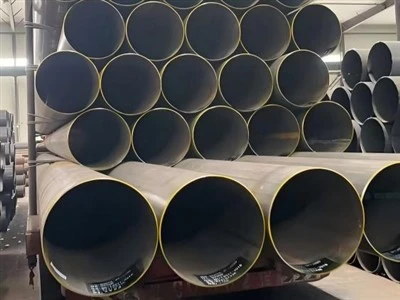
Hey there! As a supplier of Galvanized Steel Pipe, I often get asked about the recycling process of these pipes. So, I thought I'd take a moment to share some insights on this topic.
First off, let's understand what galvanized steel pipes are. Galvanized steel pipes are essentially ERW Steel Pipe that have been coated with a layer of zinc to prevent rusting and corrosion. This makes them highly durable and suitable for a wide range of applications, from plumbing to construction. One of the popular types is the ASTM A53 ERW Pipe, which meets specific industry standards.
Now, onto the recycling process. The recycling of galvanized steel pipes is a multi - step process that's both environmentally friendly and economically viable.
Step 1: Collection
The first step in recycling galvanized steel pipes is collection. This can happen in various ways. Construction sites often generate a significant amount of scrap galvanized steel pipes when they're renovating or demolishing buildings. These pipes are then collected by scrap metal dealers. Additionally, plumbing companies may also collect old or damaged pipes during maintenance or replacement jobs. Sometimes, individual homeowners might also contribute to the collection by bringing in their old pipes.
Once the pipes are collected, they're usually transported to a recycling facility. At this stage, it's important to separate the galvanized steel pipes from other types of scrap metal, as different metals have different recycling requirements.
Step 2: Sorting and Inspection
When the galvanized steel pipes arrive at the recycling facility, they go through a sorting and inspection process. Workers will check the pipes for any signs of damage, contamination, or non - steel components. For example, if a pipe has plastic fittings or other non - metallic attachments, these need to be removed.
The sorting also involves categorizing the pipes based on their size, thickness, and quality. This is crucial because different grades of galvanized steel may require different processing methods. The pipes are then grouped together to ensure efficient recycling.
Step 3: Shredding
After sorting, the galvanized steel pipes are sent to a shredder. The shredder breaks the pipes into smaller pieces, usually about the size of a fist or smaller. Shredding is important for several reasons. Firstly, it increases the surface area of the metal, which speeds up the melting process. Secondly, it helps to remove any remaining contaminants that may be trapped inside the pipes.
During shredding, the pipes are fed into the machine, which uses powerful blades or hammers to break them apart. The shredded pieces are then screened to remove any dust, dirt, or non - metallic particles.
Step 4: Melting
The shredded galvanized steel pieces are then loaded into a furnace for melting. The furnace is heated to extremely high temperatures, typically around 1,500 degrees Celsius (2,732 degrees Fahrenheit). At this temperature, the steel melts, and the zinc coating also melts and can be separated from the steel.
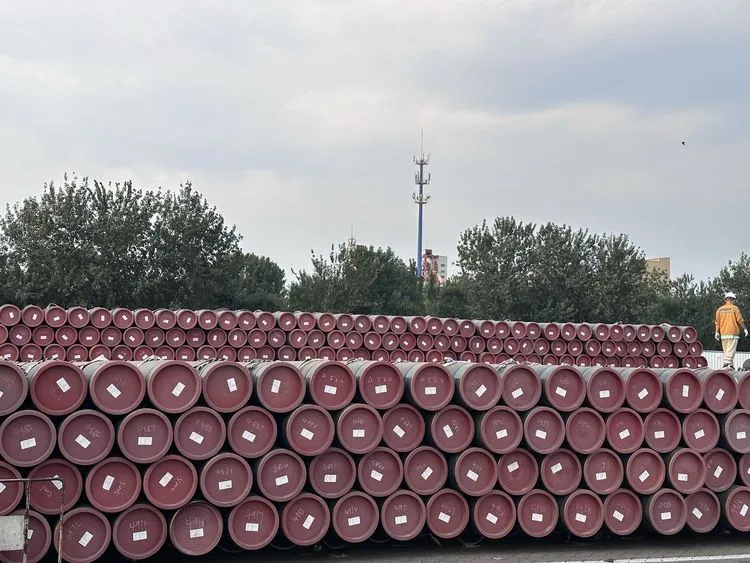

There are different types of furnaces used in the recycling process, such as electric arc furnaces and induction furnaces. Electric arc furnaces are commonly used because they're energy - efficient and can melt large quantities of scrap metal quickly.
As the steel melts, impurities rise to the surface and form a layer of slag. This slag is removed from the molten steel, leaving behind pure, high - quality steel.
Step 5: Purification
Once the steel is melted, it goes through a purification process. This involves adding various chemicals and alloys to the molten steel to remove any remaining impurities and to adjust the chemical composition of the steel. For example, small amounts of manganese, silicon, and other elements may be added to improve the strength and other properties of the steel.
The purification process also helps to ensure that the recycled steel meets the same quality standards as newly produced steel. This is important because the recycled steel will be used to make new products, including Galvanized Steel Pipe.
Step 6: Re - forming
After purification, the molten steel is ready to be re - formed into new products. It can be cast into different shapes, such as billets, blooms, or slabs. These semi - finished products are then further processed into various forms, including pipes.
For making galvanized steel pipes, the re - formed steel is first shaped into a tubular form using processes like seamless pipe making or electric resistance welding (ERW). Once the pipes are formed, they go through the galvanizing process again to apply a new zinc coating, making them ready for use in various industries.
Benefits of Recycling Galvanized Steel Pipes
Recycling galvanized steel pipes has several benefits. Firstly, it's great for the environment. By recycling, we reduce the need for mining new iron ore, which conserves natural resources and reduces the environmental impact of mining operations. Additionally, recycling steel requires significantly less energy compared to producing steel from raw materials. This helps to reduce greenhouse gas emissions and combat climate change.
Economically, recycling galvanized steel pipes is also a smart move. It provides a cost - effective alternative to producing new steel pipes. The recycled steel can be sold at a lower price, which benefits both manufacturers and consumers.
Why Choose Our Galvanized Steel Pipes
As a supplier of galvanized steel pipes, we take pride in offering high - quality products. Our pipes are made from recycled steel whenever possible, which not only helps the environment but also ensures that you're getting a product that's both durable and cost - effective.
We understand the importance of quality and reliability in your projects. That's why our pipes meet all the necessary industry standards, including the ASTM A53 ERW Pipe standard. Whether you're working on a small plumbing project or a large - scale construction job, our galvanized steel pipes are the perfect choice.
If you're in the market for galvanized steel pipes, we'd love to hear from you. We're here to provide you with the best products and services. Contact us to start a procurement discussion, and let's work together to find the right solution for your needs.
References
- American Iron and Steel Institute. "Recycling of Steel."
- Steel Recycling Institute. "Benefits of Steel Recycling."