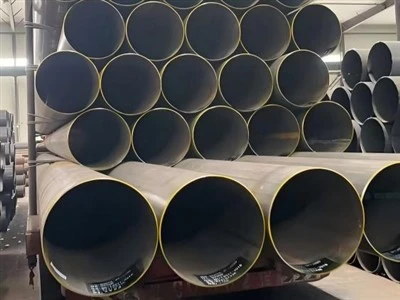
ERW (Electric Resistance Welded) steel pipes are a crucial component in various industries, from construction to oil and gas. As an ERW steel pipe supplier, I often get asked about the materials used to make these pipes. In this blog post, I'll delve into the different materials that go into the production of ERW steel pipes, their properties, and how they impact the performance of the pipes.
Carbon Steel
Carbon steel is the most common material used in the production of ERW steel pipes. It is an alloy of iron and carbon, with carbon content typically ranging from 0.05% to 2.0%. The carbon content significantly influences the strength and hardness of the steel. Low - carbon steel, with carbon content below 0.3%, is relatively soft and ductile, making it easy to form and weld. This type of steel is often used in applications where flexibility and ease of fabrication are required, such as in plumbing and general construction.
Medium - carbon steel, with carbon content between 0.3% and 0.6%, offers a good balance between strength and ductility. It is commonly used in structural applications, like building frames and bridges. High - carbon steel, with carbon content above 0.6%, is very hard and strong but less ductile. It is used in applications where high wear resistance is needed, such as in the manufacturing of tools.
Alloy Steel
Alloy steel is another important material for ERW steel pipes. In addition to carbon, alloy steel contains other elements such as manganese, chromium, nickel, and molybdenum. These alloying elements are added to enhance specific properties of the steel. For example, manganese improves the strength and hardenability of the steel, while chromium increases corrosion resistance.
Alloy steel pipes are often used in more demanding applications, such as in the oil and gas industry. The pipes need to withstand high pressures, corrosive environments, and extreme temperatures. For instance, pipes used in offshore oil rigs need to be resistant to saltwater corrosion. Alloy steel pipes with the right combination of alloying elements can meet these requirements.
Stainless Steel
Stainless steel is a type of alloy steel that contains at least 10.5% chromium. This chromium content forms a thin, protective oxide layer on the surface of the steel, which gives stainless steel its excellent corrosion resistance. Stainless steel ERW pipes are widely used in applications where corrosion resistance is of utmost importance, such as in the food and beverage industry, chemical processing, and water treatment plants.
There are different grades of stainless steel, such as 304 and 316. Grade 304 is the most commonly used grade and offers good corrosion resistance in a variety of environments. Grade 316 contains molybdenum, which further enhances its corrosion resistance, especially in chloride - rich environments.
The Manufacturing Process and Material Selection
The manufacturing process of ERW steel pipes also plays a role in material selection. In the ERW process, a flat steel strip is first formed into a cylindrical shape and then welded using electric resistance welding. The quality of the weld is crucial for the performance of the pipe. Different materials have different welding characteristics. For example, some alloy steels may require pre - heating before welding to prevent cracking.
As a supplier, we need to ensure that the materials we use meet the required standards and specifications. We work closely with our customers to understand their specific needs and recommend the most suitable material for their applications.
Impact of Material on Pipe Performance
The material used in ERW steel pipes has a direct impact on their performance. For example, pipes made from high - strength steel can withstand higher pressures and loads, making them suitable for high - pressure applications such as in the oil and gas pipelines. On the other hand, pipes made from corrosion - resistant materials like stainless steel are ideal for applications where the pipes are exposed to harsh environments.
The choice of material also affects the cost of the pipes. High - performance materials such as alloy and stainless steel are generally more expensive than carbon steel. However, in some applications, the benefits of using these materials, such as longer service life and reduced maintenance costs, outweigh the higher initial cost.
Specific Products and Their Materials
We offer a wide range of ERW steel pipes, each made from different materials to suit various applications. For example, our 3 Inch Steel Pipe is available in different grades of carbon steel. These pipes are commonly used in plumbing and general construction projects.


Our EN 10217 - 2 HFW Steel Pipes are made from high - quality alloy steel. They are designed to meet the strict European standards for pressure - bearing applications, such as in the power generation and chemical industries.
The JIS SS400 Structural Hollow Section is made from carbon steel with a specific chemical composition and mechanical properties. It is widely used in structural applications in Japan and other countries following the JIS standards.
Conclusion
In conclusion, the materials used to make ERW steel pipes vary depending on the application requirements. Carbon steel, alloy steel, and stainless steel are the main materials used, each with its own unique properties and advantages. As a supplier, we are committed to providing high - quality pipes made from the right materials to meet our customers' needs.
If you are in the market for ERW steel pipes and want to discuss your specific requirements, we would be more than happy to assist you. Our team of experts can help you select the most suitable material and product for your project. Contact us today to start the conversation and explore how our ERW steel pipes can meet your needs.
References
- ASME Boiler and Pressure Vessel Code
- ASTM International Standards for Steel Pipes
- EN Standards for Steel Pipes
- JIS Standards for Steel Pipes