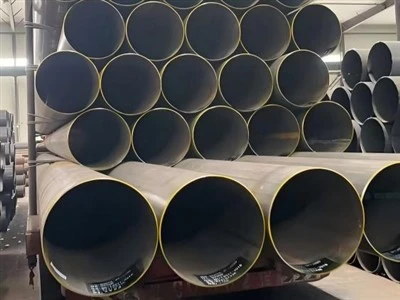
Seamless steel pipes are widely used in various industries due to their high strength, durability, and resistance to pressure. However, one of the biggest challenges faced by seamless steel pipe users is corrosion. Corrosion can not only reduce the lifespan of the pipes but also lead to safety hazards and economic losses. As a seamless steel pipe supplier, I understand the importance of preventing corrosion and want to share some effective methods with you.
Understanding the Causes of Corrosion
Before we discuss how to prevent corrosion, it's essential to understand what causes it. Corrosion is a natural process that occurs when metal reacts with its environment. In the case of seamless steel pipes, the most common causes of corrosion include:


- Moisture: Water is one of the primary catalysts for corrosion. When steel comes into contact with water, it forms iron oxide (rust), which weakens the pipe over time.
- Chemicals: Exposure to chemicals such as acids, alkalis, and salts can accelerate the corrosion process. Industrial environments, where pipes are often exposed to various chemicals, are particularly prone to corrosion.
- Oxygen: Oxygen in the air can react with steel to form rust. This is especially true in humid environments where oxygen and moisture work together to speed up the corrosion process.
- Microorganisms: Certain types of bacteria and fungi can also cause corrosion. These microorganisms can produce acids that attack the steel, leading to pitting and other forms of corrosion.
Preventive Measures
Coating
One of the most effective ways to prevent corrosion is by applying a protective coating to the seamless steel pipes. There are several types of coatings available, each with its own advantages and disadvantages.
- Epoxy Coating: Epoxy coatings are widely used due to their excellent adhesion, chemical resistance, and durability. They can provide a long - lasting barrier against moisture, chemicals, and oxygen. Epoxy coatings are suitable for both internal and external applications and can be used in a variety of environments, including industrial and marine settings.
- Zinc Coating (Galvanizing): Galvanizing involves coating the steel pipe with a layer of zinc. Zinc acts as a sacrificial anode, meaning it corrodes before the steel. This provides excellent protection against corrosion, especially in outdoor and coastal environments. Hot - dip galvanizing is a common method where the pipe is dipped into a bath of molten zinc.
- Polyurethane Coating: Polyurethane coatings offer good abrasion resistance and flexibility. They are often used in applications where the pipe may be subject to mechanical stress or where a high - gloss finish is desired.
Cathodic Protection
Cathodic protection is a technique used to prevent corrosion by making the steel pipe the cathode of an electrochemical cell. There are two main types of cathodic protection:
- Sacrificial Anode Cathodic Protection: In this method, a more reactive metal (such as magnesium or zinc) is attached to the steel pipe. The sacrificial anode corrodes instead of the steel, protecting it from corrosion. Sacrificial anodes are relatively easy to install and are suitable for small - scale applications or in areas where power is not readily available.
- Impressed Current Cathodic Protection: This method involves applying an external electrical current to the steel pipe to make it the cathode. Anodes are installed in the soil or water around the pipe, and a power source provides the necessary current. Impressed current cathodic protection is more suitable for large - scale applications and in areas with high corrosion rates.
Proper Storage and Handling
Proper storage and handling of seamless steel pipes can also help prevent corrosion. Here are some tips:
- Keep Pipes Dry: Store pipes in a dry, well - ventilated area to prevent moisture from accumulating on the surface. If pipes are stored outdoors, they should be covered with a waterproof tarp.
- Avoid Contact with Corrosive Materials: Keep pipes away from chemicals, acids, and other corrosive substances. If pipes need to be transported, make sure they are properly protected to prevent damage and exposure to corrosive materials.
- Inspect Regularly: Regularly inspect pipes for signs of corrosion, such as rust, pitting, or discoloration. Early detection can help prevent further damage and extend the lifespan of the pipes.
Water Treatment
If the seamless steel pipes are used in a water - based system, water treatment can be an effective way to prevent corrosion. This may involve:
- pH Adjustment: Maintaining the proper pH level of the water can help prevent corrosion. For example, in a boiler system, the pH of the water should be kept within a specific range to prevent the formation of scale and corrosion.
- Removal of Dissolved Oxygen: Oxygen in water can cause corrosion. Using deaerators or chemical oxygen scavengers can help remove dissolved oxygen from the water, reducing the risk of corrosion.
- Addition of Corrosion Inhibitors: Corrosion inhibitors are chemicals that can be added to the water to prevent corrosion. These inhibitors work by forming a protective film on the surface of the steel pipe, preventing the metal from coming into contact with the corrosive environment.
Our Seamless Steel Pipe Products
As a seamless steel pipe supplier, we offer a wide range of high - quality seamless steel pipes, including ASME SA106 / ASTM A106 SMLS Pipe, Boiler Steel Pipe, and Seamless Mechanical Pipe. Our pipes are manufactured using advanced technology and strict quality control measures to ensure their performance and durability.
We understand the importance of corrosion prevention and can provide pipes with various corrosion - resistant coatings and treatments. Whether you need pipes for industrial, commercial, or residential applications, we can offer the right solutions to meet your needs.
Conclusion
Preventing the corrosion of seamless steel pipes is crucial for ensuring their long - term performance and safety. By understanding the causes of corrosion and implementing effective preventive measures such as coating, cathodic protection, proper storage and handling, and water treatment, you can significantly extend the lifespan of your pipes.
If you are interested in purchasing high - quality seamless steel pipes or need more information about corrosion prevention, please feel free to contact us. We are always ready to assist you with your requirements.
References
- Fontana, M. G. (1986). Corrosion Engineering. McGraw - Hill.
- Uhlig, H. H., & Revie, R. W. (1985). Corrosion and Corrosion Control. Wiley.