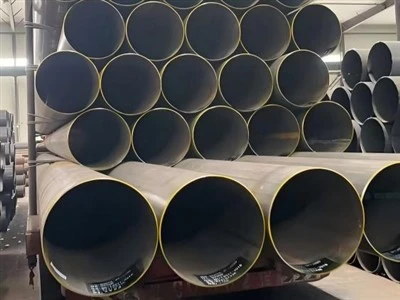
Hey there! I'm a supplier of steel hollow sections, and I've been in this game for quite a while. One question that comes up a lot from my customers is about how to enhance the durability of steel hollow sections. Well, the answer often lies in the right coating options. So, let's dive into what those options are and how they can make your steel hollow sections last longer.
Why Coating Matters
Before we get into the different coating options, let's talk about why coating is so important in the first place. Steel hollow sections are used in a wide range of applications, from construction to manufacturing. They're often exposed to harsh environments, including moisture, chemicals, and extreme temperatures. Over time, these conditions can cause corrosion, which weakens the steel and shortens its lifespan. A good coating acts as a protective barrier, preventing these elements from coming into direct contact with the steel and thus extending its durability.
Galvanizing
One of the most popular coating options for steel hollow sections is galvanizing. Galvanizing involves applying a layer of zinc to the steel surface. There are two main types of galvanizing: hot-dip galvanizing and electro-galvanizing.
Hot-Dip Galvanizing: This is the more common method. In hot-dip galvanizing, the steel sections are submerged in a bath of molten zinc at around 450°C. The zinc reacts with the steel to form a series of zinc-iron alloy layers, followed by a pure zinc outer layer. This process creates a thick, durable coating that provides excellent corrosion protection. Hot-dip galvanized steel hollow sections are great for outdoor applications, such as fencing, scaffolding, and structural supports. They can withstand years of exposure to the elements without significant rusting.
Electro-Galvanizing: Electro-galvanizing is a different process where a layer of zinc is applied to the steel through an electrochemical reaction. This method typically results in a thinner zinc coating compared to hot-dip galvanizing. While electro-galvanized coatings offer good corrosion resistance, they're not as durable as hot-dip galvanized coatings, especially in harsh environments. Electro-galvanizing is often used for indoor applications or where a more aesthetically pleasing finish is required, like in some furniture or automotive parts.
Paint Coatings
Paint coatings are another versatile option for enhancing the durability of steel hollow sections. There are various types of paints available, each with its own properties and benefits.
Epoxy Paints: Epoxy paints are known for their excellent adhesion and chemical resistance. They form a tough, protective film on the steel surface, which helps prevent corrosion and abrasion. Epoxy paints can be used in a wide range of environments, including industrial settings where the steel may be exposed to chemicals or solvents. They come in different formulations, such as solvent-based and water-based, allowing for flexibility in application.
Polyurethane Paints: Polyurethane paints offer superior UV resistance and weatherability. They're ideal for outdoor applications where the steel will be exposed to sunlight and changing weather conditions. Polyurethane coatings provide a high-gloss finish that not only looks good but also protects the steel from fading and chalking over time. They're commonly used in architectural applications, such as building facades and decorative elements.
Acrylic Paints: Acrylic paints are water-based and have a low VOC (volatile organic compound) content, making them an environmentally friendly option. They dry quickly and offer good color retention. Acrylic paints are suitable for both indoor and outdoor applications, providing a basic level of protection against corrosion and wear. They're often used for less demanding applications or where a quick turnaround time is needed.
Powder Coating
Powder coating is a modern and efficient coating method that's gaining popularity for steel hollow sections. In powder coating, a dry powder is electrostatically applied to the steel surface and then cured in an oven at high temperatures. The powder melts and fuses to form a continuous, smooth coating.
Powder coatings offer several advantages. They provide excellent corrosion resistance, are highly durable, and come in a wide range of colors and finishes. Unlike liquid paints, powder coatings don't contain solvents, so there's no need to worry about VOC emissions. They also have a high transfer efficiency, which means less waste during the application process. Powder-coated steel hollow sections are commonly used in applications where appearance and durability are both important, such as in consumer products, electronics enclosures, and architectural features.
Ceramic Coatings
Ceramic coatings are a high-performance option for steel hollow sections. These coatings are made from ceramic materials, which offer exceptional heat resistance, hardness, and chemical resistance.
Ceramic coatings can withstand extremely high temperatures, making them suitable for applications in the aerospace, automotive, and industrial sectors. They also provide a smooth, low-friction surface, which can reduce wear and tear on the steel. In addition, ceramic coatings are highly resistant to corrosion and oxidation, ensuring long-term durability even in the most challenging environments.
Choosing the Right Coating
Now that we've covered the different coating options, how do you choose the right one for your steel hollow sections? Well, it depends on several factors:
Application Environment: Consider where the steel sections will be used. If it's an outdoor application exposed to the elements, hot-dip galvanizing or a high-quality paint coating like polyurethane may be the best choice. For indoor applications or those in less corrosive environments, electro-galvanizing or acrylic paints could be sufficient.


Desired Lifespan: If you need the steel sections to last for a long time, especially in harsh conditions, a more durable coating like ceramic or hot-dip galvanizing is recommended. For shorter-term projects or less demanding applications, a simpler coating like acrylic paint may be adequate.
Aesthetic Requirements: If appearance is important, you may want to choose a coating that offers a specific finish or color. Powder coating and paint coatings provide a wide range of options in terms of color and texture, allowing you to achieve the desired look for your project.
Our Products and Coating Options
As a supplier of steel hollow sections, we offer a variety of products, including ASTM A671 CC70 STEEL PIPE, BS EN 10210 For Hot Finished Structural Hollow Sections, and S460MLH HOLLOW SECTION. We can provide these products with different coating options to meet your specific needs. Whether you're looking for a basic paint coating for a small project or a high-performance ceramic coating for a demanding application, we've got you covered.
Get in Touch
If you're interested in enhancing the durability of your steel hollow sections or have any questions about our coating options, don't hesitate to reach out. We're here to help you find the best solution for your project. Whether you're a contractor, an architect, or a manufacturer, we can work with you to ensure that your steel hollow sections are protected and built to last.
References
- Kuznetsov, A. V., & Kuznetsova, O. V. (2018). Corrosion protection of steel structures by zinc coatings. Metal Science and Heat Treatment, 60(3 - 4), 121 - 128.
- Paints and Coatings Industry Magazine. (2020). Types of industrial paint coatings and their applications.
- Powder Coating Institute. (2019). Powder coating technology and applications.