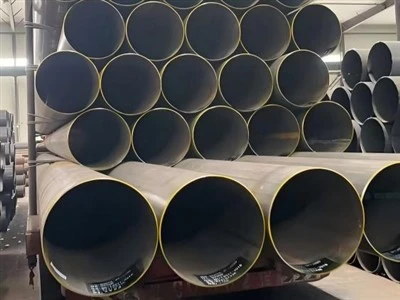
The performance of hot formed hollow sections is a critical consideration in various industries, from construction to automotive manufacturing. One of the key factors that significantly influences the performance of these sections is the wall thickness. As a supplier of hot formed hollow sections, I have witnessed firsthand the impact of wall thickness on the functionality, durability, and overall performance of these products. In this blog, I will delve into the effects of wall thickness on the performance of hot formed hollow sections, exploring both the advantages and potential drawbacks associated with different wall thicknesses.
Structural Strength and Load - Bearing Capacity
One of the most obvious effects of wall thickness on hot formed hollow sections is its influence on structural strength and load - bearing capacity. A thicker wall generally means a higher cross - sectional area, which in turn can withstand greater loads without deformation or failure.
In construction applications, such as building frames and bridges, hot formed hollow sections with thicker walls are often preferred for load - bearing members. For example, in a multi - story building, columns made from hot formed hollow sections with thick walls can support the weight of the upper floors more effectively. The increased wall thickness distributes the load more evenly across the section, reducing stress concentrations and minimizing the risk of buckling or collapse.
The AS1163 C350 HOLLOW SECTION [/hollow-section/as1163-c350-hollow-section.html] is a popular choice in construction projects. Depending on the specific requirements of the project, different wall thicknesses can be selected. A thicker wall in this type of section can enhance its ability to resist compressive, tensile, and shear forces, ensuring the long - term stability of the structure.
Resistance to Deformation
Wall thickness also plays a crucial role in the resistance of hot formed hollow sections to deformation under external forces. Thicker - walled sections are more rigid and less likely to bend or twist when subjected to bending moments or torsional forces.
In automotive applications, hot formed hollow sections are used in the chassis and body structures. A thicker wall in these sections can improve the vehicle's resistance to side impacts and roll - overs. For instance, the side members of a car's chassis made from hot formed hollow sections with appropriate wall thickness can absorb and dissipate energy during a collision, protecting the passengers inside.
The S355J2H STEEL STRUCTURAL HOLLOW SECTIONS [/hollow-section/s355j2h-steel-structural-hollow-sections.html] are often used in automotive and heavy - machinery applications. By choosing the right wall thickness, manufacturers can optimize the section's ability to maintain its shape and integrity under dynamic loading conditions, which is essential for the safety and performance of the vehicle.
Cost Considerations
While thicker wall thicknesses offer enhanced performance in terms of strength and deformation resistance, they also come with increased costs. The raw material cost is directly proportional to the wall thickness, as more steel is required to produce a section with a thicker wall. Additionally, the manufacturing process for thicker - walled hot formed hollow sections may be more complex and time - consuming, leading to higher production costs.
In some cases, over - specifying the wall thickness can result in unnecessary expenses. For example, in a non - critical application where the loads are relatively low, using a very thick - walled section is not cost - effective. Therefore, it is essential to strike a balance between performance requirements and cost when selecting the wall thickness of hot formed hollow sections.
Weldability and Fabrication
Wall thickness can also affect the weldability and fabrication of hot formed hollow sections. Thicker walls may require more heat input during welding, which can lead to issues such as increased distortion, residual stresses, and potential cracking. Special welding techniques and procedures may be needed to ensure high - quality welds in thick - walled sections.
During the fabrication process, such as bending or cutting, thicker - walled sections may be more difficult to work with. They require more powerful equipment and may be more prone to damage if not handled properly. However, with the right expertise and advanced fabrication technologies, these challenges can be overcome.
The Cold Formed En 10219 S355j0h Square Hollow Section [/hollow-section/cold-formed-en-10219-s355j0h-square-hollow.html] can be used in various fabricated structures. When considering the wall thickness for this type of section, fabricators need to take into account the ease of welding and other fabrication processes to ensure efficient production and high - quality end products.
Corrosion Resistance
In some environments, the wall thickness of hot formed hollow sections can impact their corrosion resistance. A thicker wall provides more material to sacrifice before the section's integrity is compromised by corrosion.
In outdoor or marine applications, where the sections are exposed to moisture, salt, and other corrosive agents, a thicker - walled section may have a longer service life. The extra material acts as a buffer, slowing down the rate of corrosion and reducing the need for frequent maintenance or replacement.
Thermal Performance
Wall thickness can also influence the thermal performance of hot formed hollow sections. Thicker walls can provide better insulation, reducing heat transfer through the section. In applications where temperature control is important, such as in industrial furnaces or refrigeration systems, hot formed hollow sections with appropriate wall thickness can help maintain the desired temperature within the system.
Choosing the Right Wall Thickness
Selecting the appropriate wall thickness for hot formed hollow sections requires a comprehensive understanding of the application requirements. Factors such as the type and magnitude of loads, environmental conditions, fabrication processes, and cost constraints all need to be considered.
Engineers and designers should conduct detailed structural analyses to determine the minimum wall thickness required to meet the performance criteria. They can also consult with suppliers, like me, who have in - depth knowledge and experience in hot formed hollow sections. By working together, we can ensure that the right wall thickness is chosen for each specific application, optimizing the performance and cost - effectiveness of the project.
Conclusion
The wall thickness of hot formed hollow sections has a profound impact on their performance in various aspects, including structural strength, resistance to deformation, cost, weldability, corrosion resistance, and thermal performance. As a supplier of hot formed hollow sections, I am committed to providing high - quality products and expert advice to help customers make informed decisions about wall thickness selection.


If you are involved in a project that requires hot formed hollow sections and need assistance in choosing the right wall thickness or have any other questions, I encourage you to reach out to me for a detailed discussion. I look forward to working with you to meet your specific requirements and ensure the success of your project.
References
- "Structural Steel Design Handbook"
- "Automotive Chassis Design: Principles and Analysis"
- "Corrosion Prevention and Control in Steel Structures"