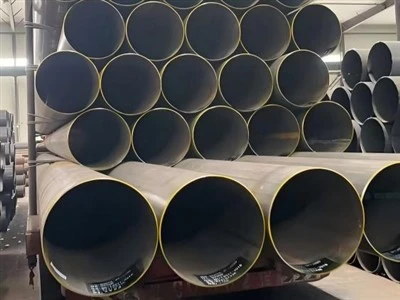
Seamless mechanical pipes are widely used in various industries due to their high strength and reliability. However, these pipes can sometimes get damaged, which may lead to operational issues and safety concerns. As a seamless mechanical pipe supplier, I understand the importance of repairing damaged pipes effectively. In this blog, I will share some professional insights on how to repair damaged seamless mechanical pipes.
Understanding the Types of Damage
Before starting the repair process, it is crucial to identify the type of damage to the seamless mechanical pipe. Common types of damage include scratches, dents, cracks, and corrosion.
- Scratches: Superficial scratches are usually caused by external objects rubbing against the pipe surface. While these may not significantly affect the pipe's structural integrity in the short - term, deep scratches can expose the pipe to corrosion.
- Dents: Dents can occur due to impacts from heavy objects or improper handling during transportation or installation. Depending on their size and location, dents can reduce the pipe's flow capacity and cause stress concentrations.
- Cracks: Cracks are more serious damage as they can compromise the pipe's structural strength and lead to leaks. Cracks can be caused by excessive stress, thermal shock, or material defects.
- Corrosion: Corrosion is a gradual deterioration of the pipe material due to chemical reactions with the surrounding environment. It can cause thinning of the pipe wall, leading to reduced strength and potential failure.
Inspection and Assessment
Once the type of damage is identified, a thorough inspection and assessment of the damage are necessary. This may involve visual inspection, non - destructive testing (NDT) methods such as ultrasonic testing (UT), magnetic particle testing (MT), and dye penetrant testing (PT).
- Visual Inspection: A simple visual inspection can help detect obvious damage such as scratches, dents, and large cracks. It should be carried out along the entire length of the pipe, paying special attention to areas prone to damage, such as bends and connections.
- Non - Destructive Testing: NDT methods are used to detect internal and hidden damage. Ultrasonic testing can detect internal flaws and measure the thickness of the pipe wall. Magnetic particle testing is effective for detecting surface and near - surface cracks in ferromagnetic materials. Dye penetrant testing can be used to detect surface - open defects in non - porous materials.
Repair Methods for Different Types of Damage
Repairing Scratches
- Light Scratches: For light scratches, the damaged area can be polished using abrasive materials such as sandpaper or grinding wheels. Start with a coarse - grit sandpaper and gradually move to a finer grit to achieve a smooth surface. After polishing, apply a protective coating to prevent corrosion.
- Deep Scratches: If the scratches are deep enough to reduce the pipe's wall thickness, the area may need to be built up using welding or a metal - filling compound. Welding should only be performed by qualified welders, and proper pre - and post - weld heat treatment may be required to ensure the integrity of the repair.
Repairing Dents
- Small Dents: Small dents that do not significantly affect the pipe's flow capacity or structural integrity can sometimes be repaired using hydraulic jacks or specialized dent repair tools. Care should be taken to avoid over - straightening the pipe, which can cause additional stress.
- Large Dents: Large dents or dents in critical areas may require cutting out the damaged section and replacing it with a new pipe segment. The new segment should be properly welded or joined to the existing pipe using appropriate techniques.
Repairing Cracks
- Minor Cracks: Small cracks can be repaired by welding. Before welding, the crack should be cleaned and pre - heated to prevent cracking during the welding process. After welding, the area should be inspected using NDT methods to ensure the repair is free of defects.
- Severe Cracks: If the crack is extensive or the pipe has multiple cracks, it may be more cost - effective and safer to replace the entire pipe section.
Repairing Corrosion
- Surface Corrosion: For surface corrosion, the corroded area can be cleaned using wire brushes, abrasive blasting, or chemical cleaners. Once the surface is clean, a corrosion - resistant coating can be applied to prevent further corrosion.
- Pitting Corrosion: In the case of pitting corrosion, where small holes are formed in the pipe wall, the pits can be filled with a suitable filler material or the damaged section can be replaced.
Quality Control and Testing after Repair
After the repair is completed, it is essential to conduct quality control and testing to ensure the repaired pipe meets the required standards. This may include visual inspection, NDT testing, pressure testing, and dimensional checks.
- Visual Inspection: A final visual inspection should be carried out to ensure the repair is smooth and free of visible defects.
- NDT Testing: NDT methods should be used to verify the integrity of the repair. This can include ultrasonic testing, magnetic particle testing, or dye penetrant testing, depending on the type of repair.
- Pressure Testing: Pressure testing is used to check the pipe's ability to withstand pressure without leaking. The test pressure should be in accordance with the relevant standards and specifications.
- Dimensional Checks: Dimensional checks should be performed to ensure the repaired pipe meets the required size and shape tolerances.
Conclusion
Repairing damaged seamless mechanical pipes requires a systematic approach, starting from damage identification and inspection to the selection of appropriate repair methods and quality control. As a Seamless Steel Pipe supplier, we are committed to providing high - quality pipes and also offer professional advice on pipe repair. Our products, such as ASTM A106 GR.B SMLS PIPE and ASTM A179 SEAMLESS PIPE, are widely recognized for their reliability. If you have any questions about seamless mechanical pipes, including repair and procurement, please feel free to contact us for a detailed discussion.


References
- ASME Boiler and Pressure Vessel Code
- API Standards for Piping Systems
- NACE International Standards for Corrosion Control