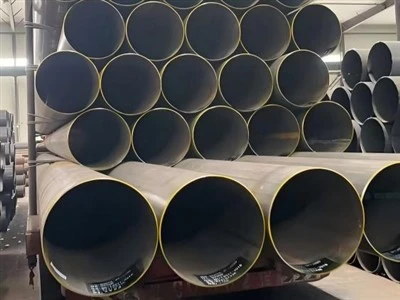
Hey there! I'm a supplier of EN 10219 hollow sections, and today I'm gonna dive into the chemical resistance properties of these awesome products.
EN 10219 hollow sections are widely used in various industries due to their excellent mechanical properties and versatility. But one aspect that often gets overlooked is their chemical resistance. Understanding how these sections hold up against different chemicals is crucial, especially in environments where they might come into contact with corrosive substances.
Let's start by talking about what chemical resistance actually means. In simple terms, it's the ability of a material to withstand the effects of chemicals without significant degradation. This can include things like corrosion, swelling, or changes in mechanical properties. For EN 10219 hollow sections, chemical resistance depends on several factors, including the composition of the steel, the surface treatment, and the specific chemicals they're exposed to.


The steel used in EN 10219 hollow sections typically contains elements like carbon, manganese, silicon, and sometimes small amounts of other alloying elements. These elements play a role in determining the overall properties of the steel, including its chemical resistance. For example, chromium is often added to steel to improve its resistance to corrosion. When steel contains a certain percentage of chromium, it forms a thin, protective oxide layer on the surface that helps prevent further corrosion.
Surface treatment is another important factor. Many EN 10219 hollow sections are coated with a protective layer to enhance their chemical resistance. This can be a galvanized coating, which involves applying a layer of zinc to the surface of the steel. Zinc is a highly reactive metal that forms a protective layer of zinc oxide when exposed to air. This layer acts as a barrier, preventing oxygen and moisture from reaching the steel and causing corrosion. Other surface treatments, such as painting or powder coating, can also provide additional protection against chemicals.
Now, let's take a look at some common chemicals and how EN 10219 hollow sections might react to them.
Acids
Acids can be particularly corrosive to metals. Strong acids, like sulfuric acid or hydrochloric acid, can quickly eat away at the surface of steel if it's not properly protected. However, EN 10219 hollow sections with a good surface treatment, such as galvanizing or a corrosion-resistant coating, can offer some level of protection against these acids. The protective layer acts as a buffer, slowing down the rate of corrosion.
For example, in a chemical processing plant where there might be occasional spills of weak acids, EN 10219 hollow sections with a galvanized coating could be a suitable choice. The zinc coating would react with the acid first, sacrificing itself to protect the underlying steel. Of course, if the exposure to strong acids is frequent or prolonged, additional protection measures might be needed.
Alkalis
Alkalis, also known as bases, are another type of chemical that can affect the chemical resistance of EN 10219 hollow sections. Strong alkalis, like sodium hydroxide, can react with the steel and cause corrosion. However, the reaction rate is generally slower compared to acids. Similar to acids, a well-coated EN 10219 hollow section can provide some protection against alkalis. The surface treatment helps to prevent the alkalis from directly contacting the steel and initiating the corrosion process.
Salts
Salts, especially in a wet or humid environment, can be corrosive to steel. Sea salt, for example, contains chloride ions that can break down the protective oxide layer on the surface of the steel and accelerate corrosion. In coastal areas or marine applications, EN 10219 hollow sections need to have a high level of chemical resistance. Galvanized or stainless steel versions of these sections are often used in such environments because they offer better protection against saltwater corrosion.
Organic solvents
Organic solvents, such as acetone or toluene, can also have an impact on the chemical resistance of EN 10219 hollow sections. These solvents can dissolve or swell certain types of coatings, reducing their effectiveness as a protective barrier. However, if the sections are made of a steel that is inherently resistant to organic solvents or if they have a solvent-resistant coating, they can withstand exposure to these chemicals without significant damage.
When comparing EN 10219 hollow sections with other similar products, it's important to note their unique chemical resistance properties. For instance, ASTM A618 STEEL HOLLOW SECTIONS may have different chemical resistance characteristics based on their specific composition and manufacturing process. Similarly, API 5L PSL2 X56 Line Pipe and API5L/ASTM A106 SEAMLESS STEEL PIPE are designed for specific applications and may have different levels of chemical resistance depending on their intended use.
In conclusion, the chemical resistance properties of EN 10219 hollow sections are influenced by multiple factors. By understanding these factors and choosing the right surface treatment, you can ensure that these sections perform well in various chemical environments. Whether you're working in a chemical plant, a marine setting, or any other industry where chemical exposure is a concern, EN 10219 hollow sections can be a reliable choice.
If you're in the market for high-quality EN 10219 hollow sections with excellent chemical resistance, I'd love to have a chat with you. I can help you select the right product for your specific needs and provide you with all the information you need to make an informed decision. So, don't hesitate to reach out and start the conversation about your procurement requirements.
References
- "Handbook of Corrosion Engineering" by Pierre R. Roberge
- "Steel Construction Manual" by American Institute of Steel Construction