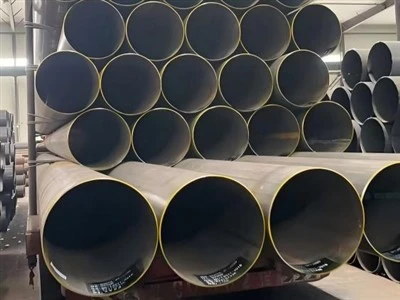
Hey there! As a supplier of SQUARE HOLLOW SECTION, I've seen firsthand the waste generated during the processing of these products. It's a common issue in our industry, but with the right strategies, we can handle it effectively and minimize its impact on the environment and our bottom line. In this blog post, I'll share some practical tips on how to manage the waste that comes with processing SQUARE HOLLOW SECTION.
Understanding the Types of Waste
Before we dive into the solutions, it's important to understand the different types of waste generated during the processing of SQUARE HOLLOW SECTION. There are mainly three types:
1. Scrap Metal
This is the most obvious type of waste. During the cutting, welding, and shaping processes, there will always be some leftover pieces of metal. These scraps can vary in size, from small trimmings to larger sections that don't meet the required specifications.
2. Cutting Fluids and Lubricants
To ensure smooth cutting and reduce friction, we use cutting fluids and lubricants. Over time, these fluids can become contaminated with metal particles and other debris, making them less effective and eventually requiring disposal.
3. Dust and Particulates
The cutting and grinding processes generate a significant amount of dust and particulates. These can be harmful to the environment and the health of workers if not properly managed.
Strategies for Handling Scrap Metal
Recycling
Recycling is the most sustainable way to handle scrap metal. By sending our scrap metal to a recycling facility, we can turn it into new raw materials for future production. Not only does this reduce the demand for virgin metals, but it also saves energy and reduces greenhouse gas emissions. Many recycling facilities offer competitive prices for scrap metal, so it can also be a source of additional revenue for our business.
Reuse
In some cases, we can reuse the scrap metal within our own production processes. For example, smaller pieces of scrap can be used for test runs or as filler material in certain applications. This not only reduces waste but also saves on the cost of new raw materials.
Sorting and Segregation
Proper sorting and segregation of scrap metal are crucial for effective recycling. Different types of metals have different recycling requirements, so it's important to separate them before sending them to the recycling facility. We can use color-coded bins or labels to make the sorting process easier and more efficient.
Managing Cutting Fluids and Lubricants
Filtration and Reclamation
Instead of disposing of contaminated cutting fluids and lubricants, we can use filtration and reclamation systems to remove the contaminants and extend their lifespan. These systems can filter out metal particles, dirt, and other debris, allowing the fluids to be reused in the production process. This not only reduces waste but also saves on the cost of new fluids.
Proper Disposal
When the cutting fluids and lubricants can no longer be reused, it's important to dispose of them properly. We should follow all local regulations and guidelines for the disposal of hazardous waste. Many waste management companies specialize in the disposal of cutting fluids and lubricants, so we can work with them to ensure that the disposal process is safe and environmentally friendly.
Controlling Dust and Particulates
Dust Collection Systems
Installing dust collection systems in our production facilities is essential for controlling dust and particulates. These systems can capture the dust and particulates at the source, preventing them from spreading throughout the facility and into the environment. There are different types of dust collection systems available, such as baghouse filters and cyclone separators, so we can choose the one that best suits our needs.
Personal Protective Equipment (PPE)
In addition to dust collection systems, we should also provide our workers with appropriate personal protective equipment (PPE), such as respirators and dust masks. This can help protect them from the harmful effects of dust and particulates.
The Benefits of Effective Waste Management
Environmental Benefits
By implementing effective waste management strategies, we can reduce the environmental impact of our production processes. Recycling scrap metal, reusing cutting fluids, and controlling dust and particulates all contribute to a cleaner and more sustainable environment.
Cost Savings
Effective waste management can also lead to significant cost savings. Recycling scrap metal can generate additional revenue, while reusing cutting fluids and reducing the need for new raw materials can lower production costs. In addition, proper waste management can help us avoid fines and penalties for non-compliance with environmental regulations.
Improved Reputation
Consumers are becoming increasingly environmentally conscious, and they are more likely to do business with companies that demonstrate a commitment to sustainability. By implementing effective waste management strategies, we can improve our reputation and attract more customers.
Conclusion
Handling the waste generated during the processing of SQUARE HOLLOW SECTION is a challenge, but it's also an opportunity for us to improve our sustainability and reduce our costs. By implementing the strategies outlined in this blog post, we can effectively manage our waste and turn it into a valuable resource. Whether it's recycling scrap metal, reusing cutting fluids, or controlling dust and particulates, every little bit helps.


If you're interested in purchasing ASTM A500 Gr.c Hollow Section, EN 10219 S355J2H HOLLOW SECTION, or HOLLOW STRUCTURAL SECTIONS, please feel free to contact us for more information and to discuss your specific requirements. We're always happy to help and look forward to working with you!
References
- "Waste Management in the Metalworking Industry." Metalworking Magazine.
- "Recycling of Scrap Metal: Benefits and Challenges." Journal of Sustainable Manufacturing.
- "Best Practices for Managing Cutting Fluids and Lubricants." Industrial Lubrication Journal.