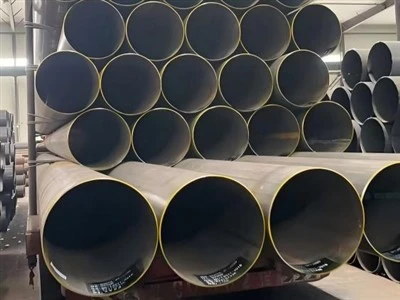
Can hollow sections be used in architectural applications? You bet! As a supplier of hollow sections, I've seen firsthand how these versatile materials are revolutionizing the world of architecture. In this blog post, I'm gonna break down why hollow sections are an excellent choice for architectural projects, look at some real - world applications, and show you the different standards we offer.
Why Hollow Sections Are a Great Fit for Architecture
First off, let's talk about the features of hollow sections that make them so great for architecture. One of the biggest advantages is their strength - to - weight ratio. Hollow sections are incredibly strong for their weight, which means you can use them to build large, imposing structures without adding excessive weight. This is super important, especially in tall buildings where reducing weight can lead to significant cost savings in the foundation and structural support systems.
Another benefit is the aesthetic appeal. The clean, smooth lines of hollow sections give buildings a modern and sophisticated look. Whether you're designing a sleek office building, a contemporary art gallery, or a trendy residential complex, hollow sections can be incorporated into the design to create a modern and eye - catching exterior.
They're also very flexible in terms of design. Hollow sections can be easily cut, welded, and shaped to fit the specific needs of any architectural project. You can create complex geometries and unique shapes that would be difficult or impossible to achieve with other materials. This allows architects to let their creativity run wild and bring their boldest design ideas to life.
Real - World Architectural Applications
Hollow sections are being used in a wide range of architectural applications. Here are some common examples:


Building Frames
Hollow sections are often used to construct the frames of buildings. They provide strong, reliable support for the walls, floors, and roofs. In commercial buildings, the use of hollow sections in the frame can allow for large open - plan interiors, which are highly sought after by businesses. For example, in a modern shopping mall, the use of hollow section frames can create a spacious and inviting environment for shoppers.
Facades
The exterior of a building is its calling card, and hollow sections can be used to create stunning facades. They can be arranged in different patterns and configurations to add visual interest and texture. For instance, you might see a building with a facade made up of vertical and horizontal hollow sections, creating a grid - like pattern that gives the building a sense of order and modernity. Some architects even use hollow sections to create dynamic, three - dimensional facades that change appearance depending on the angle of view.
Bridges and Walkways
Hollow sections are also a popular choice for bridges and walkways. Their high strength and durability make them suitable for withstanding the weight of pedestrians and vehicles. In addition, their sleek design can complement the surrounding environment, whether it's an urban landscape or a natural setting. A suspension bridge made with hollow sections can be both a functional and an aesthetic landmark in a city.
Our Hollow Section Standards
As a supplier, we offer hollow sections that meet several different standards. Here are some of the main ones:
- ASTM A618/A618M - 21 Hot - Formed Welded And Seamless Hollow Sections: This is a well - recognized standard in the industry. The ASTM A618/A618M - 21 hollow sections are known for their high quality and suitability for a variety of applications. Click here to learn more.
- AS/NZS 1163 C450L0 HOLLOW SECTIONS: These hollow sections comply with the Australian and New Zealand standards. They are engineered to ensure reliability and performance in different architectural projects in the Asia - Pacific region. Find out more about this standard.
- BS EN 10210 For Hot Finished Structural Hollow Sections: Widely used in Europe, the BS EN 10210 standard guarantees high - quality hot - finished structural hollow sections. These are perfect for structural applications where strength and stability are key. Check it out to see how it can benefit your project.
Sustainability in Architecture with Hollow Sections
In today's world, sustainability is a major concern in architecture. Hollow sections have a lot going for them in this regard. Since they have a high strength - to - weight ratio, less material is needed to achieve the same structural performance. This means reduced raw material consumption and, in turn, a lower environmental impact.
Most hollow sections are also recyclable. At the end of a building's life cycle, the hollow sections can be easily recycled and used to make new products. This not only saves resources but also reduces waste going to landfills. Many architects are now looking to use sustainable materials in their projects, and hollow sections fit the bill perfectly.
Making the Right Choice
When it comes to using hollow sections in your architectural project, there are a few things to consider. First, you need to choose the right standard based on the location and requirements of your project. For example, if you're building in Europe, the BS EN 10210 standard might be the best choice, while for a project in Australia or New Zealand, the AS/NZS 1163 C450L0 HOLLOW SECTIONS would be more appropriate.
You also need to think about the size and shape of the hollow sections. We offer a variety of sizes and shapes, from square and rectangular to circular, so you can pick the ones that best suit your design.
Time to Connect and Start Your Project
If you're an architect, builder, or developer looking for high - quality hollow sections for your next project, we're here to help. Our team of experts can assist you in choosing the right hollow sections based on your project's specific needs. We're committed to providing top - notch products at competitive prices, and we can ensure timely delivery.
Don't hesitate to reach out for a quote or to discuss your project in detail. Contact us today to start the journey of turning your architectural dreams into reality with our outstanding hollow sections.
References
- ASTM International. (2021). ASTM A618/A618M - 21 Standard Specification for Hot - Formed Welded and Seamless Carbon and High - Strength Low - Alloy Structural Tubing.
- Standards Australia and Standards New Zealand. (n.d.). AS/NZS 1163 C450L0 Hollow Sections.
- European Committee for Standardization. (n.d.). BS EN 10210: Hot - finished Structural Hollow Sections.