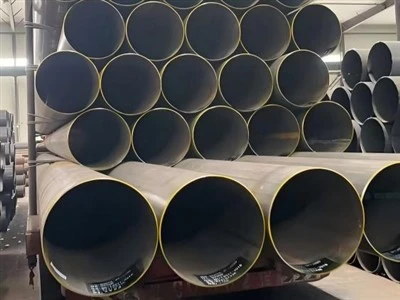
Bending Electric Resistance Welded (ERW) pipes is a common yet critical process in various industries such as construction, manufacturing, and infrastructure development. As an ERW pipe supplier, I understand the importance of ensuring that this bending process is carried out safely to avoid any potential hazards and to maintain the quality of the pipes. In this blog, I'll share some key insights on how to bend ERW pipes safely.
Understanding ERW Pipes
Before delving into the bending process, it's essential to have a basic understanding of ERW pipes. ERW pipes are made by rolling metal strips and then welding the edges together using an electric current. These pipes are widely used due to their cost - effectiveness, good strength, and availability in various sizes and specifications. For instance, our company offers EN10219 SCAFFOLDING PIPE, ASTM A672 EFW Pipes, and ASTM A53 GR.B ERW STEEL PIPE, each designed to meet specific industry requirements.
Pre - Bending Preparations
Material Inspection
The first step in safe pipe bending is to inspect the ERW pipes thoroughly. Check for any visible signs of damage such as cracks, dents, or corrosion. These defects can weaken the pipe structure and may cause it to fail during the bending process. Use appropriate measuring tools to ensure the pipe's diameter, wall thickness, and length meet the required specifications. Any deviation from the standard can affect the bending outcome.
Selecting the Right Bending Method
There are several methods for bending ERW pipes, including cold bending and hot bending. Cold bending is typically used for smaller - diameter pipes and when the bend radius is relatively large. It is a cost - effective method that doesn't require heating the pipe. On the other hand, hot bending is suitable for larger - diameter pipes or when a tight bend radius is needed. Heating the pipe makes it more malleable, reducing the risk of cracking.
Choosing the Appropriate Bending Equipment
The choice of bending equipment depends on the bending method and the pipe's specifications. For cold bending, you can use manual pipe benders for small - scale projects or hydraulic pipe benders for larger - scale operations. Hydraulic benders offer more precise control and can handle thicker - walled pipes. When it comes to hot bending, induction bending machines are commonly used. These machines heat the pipe locally using electromagnetic induction, allowing for accurate and efficient bending.


Cold Bending of ERW Pipes
Step - by - Step Process
- Marking the Bend: Use a measuring tape and a marker to mark the exact location where the bend is required on the pipe. This ensures accuracy in the bending process.
- Securing the Pipe: Place the pipe in the bending equipment and secure it firmly. Make sure the pipe is aligned correctly to prevent any misalignment during bending.
- Applying Pressure: Slowly apply pressure to the pipe using the bending equipment. For manual benders, use a steady and even force. For hydraulic benders, follow the manufacturer's instructions for setting the pressure.
- Monitoring the Bend: Continuously monitor the bending angle using a protractor or an angle gauge. Stop applying pressure once the desired bend angle is achieved.
Safety Precautions
- Wear Protective Gear: Always wear safety glasses, gloves, and appropriate clothing to protect yourself from any flying debris or sharp edges.
- Inspect the Bending Equipment Regularly: Check the bending equipment for any signs of wear and tear, such as loose parts or damaged hydraulic hoses. Replace any faulty components immediately.
- Avoid Over - Bending: Over - bending the pipe can cause it to crack or deform. Refer to the pipe manufacturer's specifications for the maximum allowable bend angle.
Hot Bending of ERW Pipes
Step - by - Step Process
- Pre - Heating the Pipe: Use an induction bending machine or a furnace to heat the pipe to the appropriate temperature. The heating temperature depends on the pipe material and the desired bend radius.
- Marking and Securing the Pipe: Similar to cold bending, mark the bend location on the heated pipe and secure it in the bending equipment.
- Bending the Pipe: Once the pipe reaches the desired temperature, slowly start bending it using the bending equipment. Control the bending speed to ensure a smooth and uniform bend.
- Cooling the Pipe: After the bend is complete, allow the pipe to cool slowly. Rapid cooling can cause internal stresses in the pipe, leading to cracking.
Safety Precautions
- Thermal Protection: Wear heat - resistant gloves, face shields, and protective clothing to protect yourself from the high temperatures.
- Ventilation: Ensure proper ventilation in the bending area to remove any fumes or gases generated during the heating process.
- Fire Prevention: Have fire - extinguishing equipment readily available in case of accidental fires.
Post - Bending Checks
Inspecting the Bend
After bending the ERW pipe, inspect the bend area carefully. Check for any cracks, wrinkles, or thinning of the pipe wall. Use non - destructive testing methods such as ultrasonic testing or magnetic particle testing to detect any internal defects.
Quality Control Checks
Measure the bend angle, bend radius, and wall thickness of the pipe to ensure they meet the required specifications. Compare the measurements with the design requirements and make any necessary adjustments.
Importance of Safety in Pipe Bending
Safe pipe bending not only protects the workers from potential injuries but also ensures the quality and performance of the bent pipes. Defective bends can lead to structural failures in the final application, which can have serious consequences. By following the proper safety procedures, we can minimize the risk of accidents and produce high - quality bent ERW pipes.
Conclusion
Bending ERW pipes safely requires a combination of proper pre - bending preparations, appropriate bending methods and equipment, and strict safety precautions. As an ERW pipe supplier, we are committed to providing high - quality pipes and offering technical support to our customers. Whether you are in need of EN10219 SCAFFOLDING PIPE, ASTM A672 EFW Pipes, or ASTM A53 GR.B ERW STEEL PIPE, we can assist you in determining the best bending practices for your specific needs. If you have any questions about pipe bending or would like to discuss your procurement requirements, please feel free to contact us.
References
- Miller, David. Pipe Fabrication and Welding Technology. Elsevier, 2018.
- Smith, John. Handbook of Pipe Bending Process. McGraw - Hill, 2020.