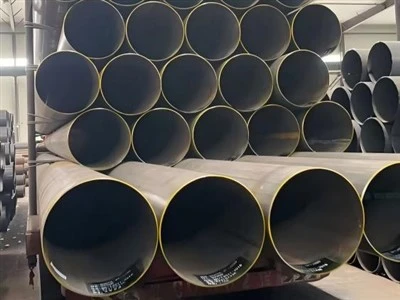
As a supplier of Longitudinal Submerged Arc Welded (LSAW) pipes, I often receive inquiries about the suitability of our products for various applications. One question that comes up frequently is whether LSAW pipes can be used in desalination plants. In this blog post, I will explore this topic in detail and provide insights into the advantages and considerations of using LSAW pipes in desalination projects.
Understanding Desalination Plants
Desalination is the process of removing salt and other impurities from seawater or brackish water to make it suitable for human consumption, industrial use, or agricultural irrigation. Desalination plants play a crucial role in providing a reliable source of freshwater in regions where water scarcity is a significant issue.

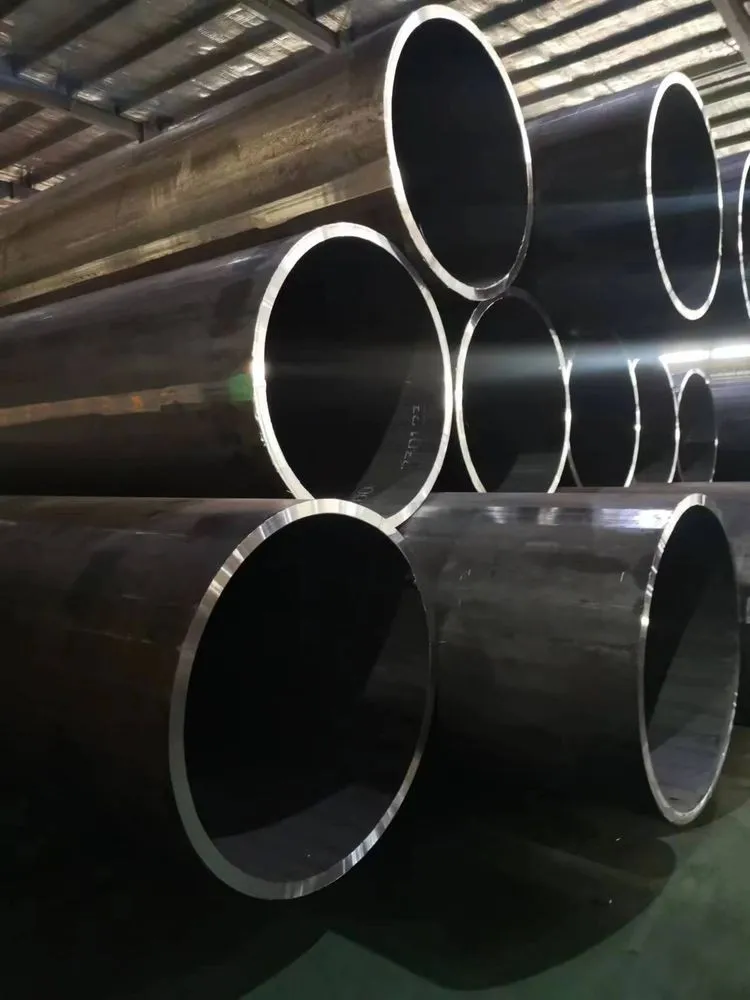
There are two main types of desalination processes: thermal desalination and membrane desalination. Thermal desalination methods, such as multi-stage flash distillation (MSF) and multi-effect distillation (MED), use heat to evaporate seawater and then condense the vapor to produce freshwater. Membrane desalination processes, such as reverse osmosis (RO), use semi-permeable membranes to separate salt and other impurities from water under pressure.
Requirements for Pipes in Desalination Plants
Pipes are an essential component of desalination plants, as they are used to transport seawater, brine, and freshwater throughout the facility. The pipes in desalination plants must meet several stringent requirements to ensure the efficient and reliable operation of the plant:
Corrosion Resistance
Seawater is highly corrosive due to its high salt content, so pipes used in desalination plants must have excellent corrosion resistance. Corrosion can lead to pipe failure, leaks, and contamination of the freshwater product, which can have serious consequences for the plant's operation and the quality of the water produced.
High Strength
Desalination plants operate under high pressure, especially in membrane desalination processes. Pipes must be able to withstand these high pressures without deformation or failure. High-strength pipes are also required to support the weight of the water and the equipment in the plant.
Durability
Desalination plants are long-term investments, and the pipes used in these facilities must have a long service life. Durable pipes can reduce maintenance costs and downtime, ensuring the continuous operation of the plant.
Compatibility with Chemicals
In addition to seawater, pipes in desalination plants may come into contact with various chemicals, such as anti-scalants, biocides, and pH adjusters. The pipes must be compatible with these chemicals to prevent chemical reactions that could damage the pipes or affect the quality of the water.
Advantages of LSAW Pipes for Desalination Plants
LSAW pipes offer several advantages that make them a suitable choice for desalination plants:
Excellent Corrosion Resistance
LSAW pipes can be made from a variety of materials, including carbon steel, stainless steel, and alloy steel, which can provide excellent corrosion resistance in seawater environments. For example, stainless steel LSAW pipes, such as those made from grades 304 and 316, have high chromium and nickel content, which forms a passive oxide layer on the surface of the pipe, protecting it from corrosion.
High Strength
LSAW pipes are manufactured using a longitudinal welding process, which results in a high-strength pipe with a uniform wall thickness. The high strength of LSAW pipes allows them to withstand the high pressures and stresses encountered in desalination plants.
Customizable Dimensions
LSAW pipes can be manufactured in a wide range of diameters and wall thicknesses to meet the specific requirements of desalination plants. This customization allows for the optimization of the piping system, reducing the overall cost and improving the efficiency of the plant.
Weld Quality
The submerged arc welding process used in the production of LSAW pipes ensures high-quality welds with excellent mechanical properties. The welds are free from defects such as porosity and cracks, which can improve the reliability and durability of the pipes.
Types of LSAW Pipes Suitable for Desalination Plants
ASTM A671/A672 CL42 STEEL PIPE
ASTM A671/A672 CL42 STEEL PIPE is a type of LSAW pipe that is commonly used in desalination plants. This pipe is made from carbon steel and is designed for use in low-temperature service. It has excellent corrosion resistance and high strength, making it suitable for transporting seawater and brine in desalination plants.
ASTM A252 Steel Pile Pipe
ASTM A252 Steel Pile Pipe is another type of LSAW pipe that can be used in desalination plants. This pipe is typically used for piling applications, but it can also be used for other structural and piping applications. ASTM A252 steel pile pipe has high strength and good corrosion resistance, making it suitable for use in the foundation and support structures of desalination plants.
LSAW JCOE STEEL PIPE
LSAW JCOE STEEL PIPE is a type of LSAW pipe that is manufactured using the JCOE (J-ing, C-ing, O-ing, and Expanding) process. This process results in a pipe with a high-quality weld and a uniform wall thickness. LSAW JCOE steel pipe has excellent mechanical properties and corrosion resistance, making it suitable for use in desalination plants.
Considerations When Using LSAW Pipes in Desalination Plants
While LSAW pipes offer many advantages for desalination plants, there are also some considerations that need to be taken into account:
Coating and Lining
Even though LSAW pipes can have good corrosion resistance, additional coating or lining may be required to further enhance their corrosion protection in seawater environments. Coatings and linings can provide an extra layer of protection against corrosion and abrasion, extending the service life of the pipes.
Installation and Maintenance
Proper installation and maintenance of LSAW pipes are essential to ensure their long-term performance in desalination plants. The pipes must be installed correctly to prevent stress concentrations and leaks. Regular inspection and maintenance of the pipes can help detect and address any potential issues before they become serious problems.
Cost
The cost of LSAW pipes can be higher than some other types of pipes, especially those made from specialized materials or with additional coating and lining. However, the long service life and reliability of LSAW pipes can offset the initial higher cost over the life of the desalination plant.
Conclusion
In conclusion, LSAW pipes can be used in desalination plants and offer several advantages, including excellent corrosion resistance, high strength, customizable dimensions, and high-quality welds. Types of LSAW pipes such as ASTM A671/A672 CL42 STEEL PIPE, ASTM A252 Steel Pile Pipe, and LSAW JCOE STEEL PIPE are suitable for various applications in desalination plants. However, considerations such as coating and lining, installation and maintenance, and cost need to be taken into account when using LSAW pipes in desalination projects.
If you are involved in a desalination project and are looking for high-quality LSAW pipes, I encourage you to contact us to discuss your specific requirements. Our team of experts can provide you with the best solutions for your desalination plant piping needs.
References
- Al-Sulaiman, F. A., & Dincer, I. (2012). Water desalination technologies and energy consumption. Renewable and Sustainable Energy Reviews, 16(4), 2479-2492.
- El-Dessouky, H. T., & Ettouney, H. M. (2002). Fundamentals of saltwater desalination. Elsevier.
- Greenlee, L. F., Lawler, D. F., Freeman, B. D., Marrot, B., & Moulin, P. (2009). Reverse osmosis desalination: Water sources, technology, and today's challenges. Water Research, 43(9), 2317-2348.