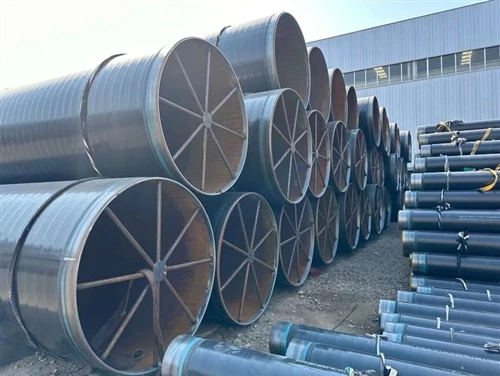
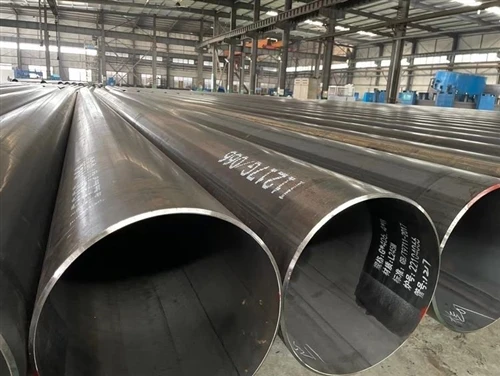
In global procurement, infrastructure, and industrial construction, hot-dip galvanized (HDG) steel pipes are highly sought after due to their exceptional corrosion resistance and mechanical strength. However, for international buyers, project managers, and procurement officers, calculating the total cost of a galvanized steel pipe project involves far more than just looking at the price per ton.
To help you create a highly accurate budget and optimize your procurement efficiency, this guide breaks down every financial layer of a piping project. We will also look at how partnering directly with a leading manufacturer like Brisk Steel Group can help reduce your total expenditures by 10% to 30% compared to traditional middlemen.


Material Expenses: What Determines the Base Price of Pipes?
The core of any piping project budget lies in the raw material itself. When evaluating material costs, you cannot rely on a generic estimate; steel pricing is dependent on precise technical specifications.
Which Type of Galvanized Pipe Meets Your Structural Demands?
Galvanized pipes generally come in two primary manufacturing methods, each carrying a different price point:
ERW (Electric Resistance Welded) Galvanized Pipes: These are formed from steel strips and welded longitudinally. They are highly cost-effective and ideal for low-pressure fluid transport, fencing, and scaffolding.
Seamless Galvanized Pipes: Manufactured without any weld seam, these pipes offer excellent high-pressure and high-temperature resistance. They are typically used in heavy industrial, oil and gas, or high-stress structural applications and carry a premium price tag.
How Do Standards, Grades, and Dimensions Impact the Base Rate?
Steel mills price products based on the complexity of manufacturing to specific engineering codes. Common international standards include ASTM A53, ASTM A500, EN 10219, and EN 10210.
Dimensions and Schedules: Wall thickness is categorized by Schedule grades (e.g., Sch40 for low-pressure systems or Sch80 and above for high-pressure operations). Thicker walls mean more raw steel weight per meter, driving up the total price.
The Weight-Based Calculation Formula: To accurately estimate material volume, international trade uses the theoretical weight formula for steel tubes:

Where:
W:= Weight per meter (kg/m)
D:= Outside Diameter (mm)
t:= Wall Thickness (mm)
By multiplying W by the total length required and the current market rate per kilogram, you obtain your raw material baseline.
Coating and Customization: Are You Factoring in Specification Add-Ons?
Standard galvanized piping may not fulfill all project specifications out of the box. Additional factory treatments add long-term value but modify the initial quote.
What Thickness of Zinc Layer Does Your Local Environment Require?
The life expectancy of a galvanized pipe is directly proportional to its zinc coating thickness.
Standard Electro-galvanization: Provides a thin layer suitable for indoor use or temporary structures but is highly economical.
Hot-Dip Galvanization (HDG): Brisk Steel specializes in high-quality HDG piping, offering a substantial zinc layer ranging from 220 to 260 g/m² (and up to G90/Z275 coatings for customized runs). While HDG carries a higher initial manufacturing cost, it eliminates maintenance and replacement costs over a multi-decade lifecycle, making it the most economical choice for outdoor and coastal exposed environments.
Do Your Custom Processing Needs Affect the Final Cost?
When requesting a quote from a factory, ensure you account for necessary post-processing steps:
End Connections: Do you require plain ends, beveled ends for easy welding, or threaded and coupled (T&C) ends?
Custom Lengths: While standard stock lengths are 20 ft (6.096 m) or 40 ft (12.192 m), Brisk Steel operates advanced processing machinery to provide custom cuts ranging from 3m to 17m, optimizing container space and minimizing on-site construction waste.
Logistical Costs: How Do You Calculate Shipping, Port Fees, and Tariff Tariffs?
A common mistake in procurement is focusing entirely on the Free On Board (FOB) price. The true financial metric is the Landed Cost-the total price of the product once it arrives at your construction site or warehouse.
Ocean Freight vs. Bulk Vessel: Which Mode of Transit Saves Money?
The physical dimensions and weight of steel pipes influence your logistics model:
Container Shipping (20ft or 40ft GP/HC): Ideal for standard lengths (up to 5.8m for 20ft containers and up to 11.8m for 40ft containers). This keeps handling fees lower and protects the pipes from maritime elements.
Break-Bulk Cargo: If your project demands massive diameters or long non-standard lengths, bulk shipping is necessary. While the cost per ton can fluctuate, handling and port charges may increase.
What Hidden Maritime and Import Expenses Must You Budget For?
Beyond the ocean freight rate, your logistical subtotal must account for:
Port Handling & Local Charges: Origin Terminal Handling Charges (OTHC) and Destination Terminal Handling Charges (DTHC).
Customs Clearance & Import Duties: Depending on your country's trade relations with China, your import tariff rates will vary. Always check your local customs HS Code classifications for galvanized steel tubes (typically under Chapter 73) to avoid unexpected anti-dumping duties.
Inland Freight: Moving heavy steel from the discharge port to your final job site via rail or flatbed truck.


Operational and Hidden Buffers: What Often Overlooks in Project Budgets?
No construction project goes entirely according to the initial blueprint. Smart procurement officers inject strict margins of safety into their financial models.
Have You Factored in On-Site Scrap Rates and Installation Wastage?
During the cutting, fitting, and welding of pipelines on-site, material loss is inevitable. It is standard industry practice to include a 3% to 5% material buffer in your initial procurement volume. Ordering exactly to the blueprint length can cause critical delays if a pipe is damaged or miscut during installation.
How Does Currency Volatility and Market Fluctuations Shift Estimates?
The steel market is dynamic, influenced by iron ore prices, zinc exchange values, and global currency pairings (such as USD/RMB). A quote provided today might expire in 7 to 14 days. When budgeting for large-scale, multi-month projects, lock in prices with your supplier early via a formal contract down payment to hedge against sudden raw material price hikes.
Supplier Selection Strategy: Why Factory-Direct vs. Middlemen Matters
Where you buy your pipes matters just as much as what specifications you select. The supply chain tier you choose drastically dictates your cost efficiency.
How Much Margin Are You Losing to Global Trading Companies?
Trading firms and local distributors act as intermediaries. They buy from manufacturing plants, add a markup (often between 10% and 30%), and pass that cost to you. Furthermore, working through intermediaries lengthens the communication chain, increasing the risk of technical misunderstandings regarding steel grades, tolerances, and inspection criteria.
Why Partnering with Brisk Steel Optimizes Your Bottom Line?
Located in the Daqiuzhuang Industrial Area of Tianjin, China-the absolute hub of Chinese steel pipe manufacturing-Brisk Steel Group offers direct advantages that reshape project economics:
Direct-from-Factory Pricing: By removing the middleman, Brisk Steel passes factory-floor savings straight to the client, providing quotes that are structurally lower than market averages without compromising on metallurgy.
Massive Production Capabilities: Boasting 9 advanced production lines for black ERW pipes, 1 dedicated high-capacity hot-dip galvanizing line, and 3 spiral welding lines, the factory maintains massive economies of scale and strict delivery timelines.
Uncompromising Quality Assurance: Cost cutting is meaningless if the material fails on-site. Brisk Steel holds full ISO 9001, ISO 14001, and ISO 18001 certifications. Every batch comes backed by Mill Test Certificates (MTC) matching international inspection standards.
Tailored Technical Consultation: Brisk Steel's sales and engineering teams function as product experts. They assist you in optimizing your bill of materials (BOM), suggesting the exact standard and dimensions to prevent over-engineering and trim unnecessary material weight.


Comprehensive Project Cost Calculation Checklist
To compile your final project budget, use this structured cost compilation table:
| Cost Category | Component Items | Calculation Method / Considerations |
| 1. Material Baseline | ERW or Seamless Pipes | Total Theoretical Weight X Factory Price per Ton |
| 2. Custom Processing | Threading, Beveling, Custom lengths, Specific Zinc Coating (220--260g/m2) | Surcharges per ton or per piece added to baseline |
| 3. Packaging & Loading | Hexagonal bundles, steel strapping, pipe end caps | Often included by Brisk Steel, but verify for custom maritime packaging |
| 4. Logistics & Freight | FOB Port Fees, Ocean Freight, Marine Insurance | Obtain quotes from freight forwarders or utilize Brisk Steel's logistics network |
| 5. Importation Costs | Customs clearance fees, local port duties, import tariffs | Check destination country HS Code tariff schedules |
| 6. Local Logistics | Inland truck/rail transport to project site | Flatbed logistics based on distance and weight volume |
| 7. Project Buffer | 3%–5% extra volume for scrap and on-site changes | Essential contingency padding to avoid project standstills |
Conclusion
Calculating the cost of a galvanized steel pipe project requires balancing physical material weight, surface treatment tolerances, logistics, and supply chain strategies. By thoroughly analyzing each factor-from the zinc coating weight to the final inland haul-you can eliminate financial blind spots and execute a highly profitable project.
Are you looking to eliminate middleman markups and secure certified, high-grade hot-dip galvanized pipes for your next infrastructure or industrial build? Contact Brisk Steel Group today to receive a comprehensive, direct-from-factory quote tailored perfectly to your custom engineering specifications. Let our structural specialists help you optimize your procurement budget with efficiency and precision.