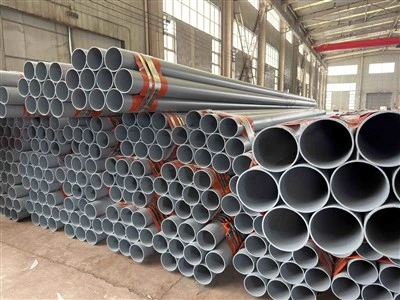
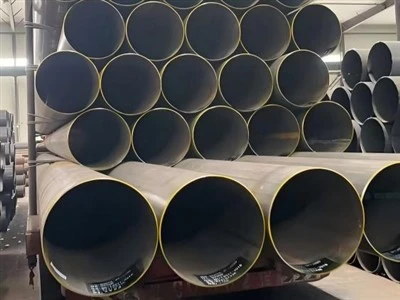
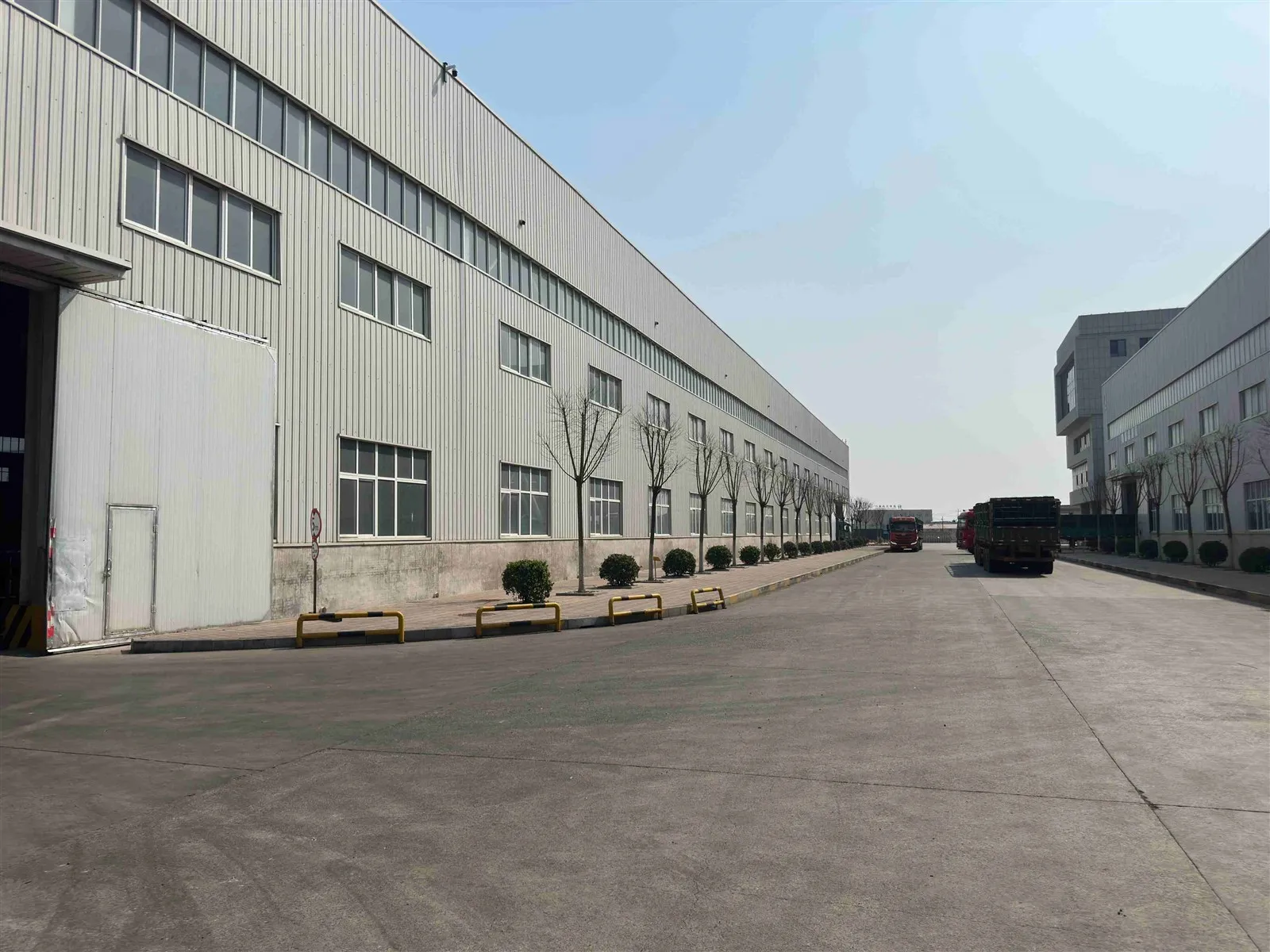
Tianjin Brisk Metalwork Co., Ltd. is one of the leading manufacturers and suppliers of erw oil casing pipe in China. We have world-leading production equipment and strong manufacturing capabilities. Please feel free to buy bulk durable erw oil casing pipe from our factory.
Tianjin Brisk Steel is one of the manufacturers of ERW Oil Casing Pipe in China. Our products are mainly exported to the Middle East, Southeast Asia, Europe, New Zealand, and other regions.If you would like to learn more about our products, feel free to contact us and send your purchase list.
PRODUCT
Tianjin Brisk Steel focus on produce and supply hollow section and steel pipe


Key Specifications
| Item | Specification |
|---|---|
| Standard | API Spec 5CT (PSL1 / PSL2) |
| Manufacturing process | Electric Resistance Welding (ERW), full-body normalized |
| OD range | 4-1/2" to 13-3/8" (114.3 mm – 339.7 mm) |
| Wall thickness | 5.21 mm – 12.7 mm (varies by weight class) |
| Length | 6m 12m , Range 3 on request |
| End finish | Plain end, threaded (STC / LTC / BTC) per API 5B |
| Testing | Full-length hydrostatic test, weld seam UT/EMI inspection, dimensional check |
| Coating | Bare, varnish, or anti-rust oil; API monogram available |
Why Choose ERW for Casing Applications
- Cost efficiency - ERW casing typically runs 10–20% lower in cost than seamless casing of the same grade and size, since it is produced from flat-rolled coil rather than a solid billet.
- Consistent wall thickness - the cold-forming process from coil produces tighter, more uniform wall tolerances than the piercing process used for seamless pipe.
- Adequate strength for shallow-to-medium wells - grades H40 through N80-1 comfortably cover surface casing, intermediate casing, and low-pressure onshore production strings.
- Fast lead time - coil-fed ERW lines run continuously, so standard sizes are typically more readily available than seamless equivalents.
Where ERW Casing Is (and Isn't) the Right Choice
Good fit:
- Onshore, low-to-moderate pressure wells
- Surface and intermediate casing strings
- Water wells and shallow gas wells
- Budget-sensitive projects specifying H40/J55/K55/N80
Not recommended:
- Sour service (H2S-containing) wells requiring NACE MR0175 compliance
- High-collapse-pressure deepwater or HPHT wells
- Any application specifying grades above N80-1/L80-1, since API 5CT does not certify these as ERW
Frequently Asked Questions (FAQ)
Q: Is ERW casing pipe as strong as seamless casing?
A: For the grades API 5CT permits in ERW form (H40–N80-1), a properly welded and normalized ERW pipe meets the same minimum yield and tensile strength requirements as seamless pipe of the same grade. The difference is that API 5CT does not certify ERW manufacture for higher grades or sour-service applications, so "strength" needs to be considered alongside "certified grade range," not just seam type.
Q: Can ERW casing be used in sour (H2S) wells?
A: Generally no. Sour service typically requires NACE MR0175-compliant material and PSL2/PSL3 certification, which API 5CT reserves for seamless casing in the higher grades (L80 13Cr, C90, C95, T95, etc.). Standard ERW casing is not certified for sour service.
Q: What is the difference between PSL1 and PSL2 for ERW casing?
A: PSL1 is the base testing level under API 5CT - dimensional, tensile, and hydrostatic testing. PSL2 adds restricted carbon equivalent limits, mandatory Charpy V-notch impact testing, and hydrostatic testing to a higher pressure, giving better assurance for wells with higher pressure or lower operating temperatures.
Q: How long does ERW casing typically last in service?
A: Service life depends on corrosivity of the well fluids, operating pressure, and coating/cementing quality rather than the pipe itself, but properly specified and cemented ERW casing in non-sour onshore wells commonly remains in service for 15–25+ years.



Hot Tags: erw oil casing pipe, China erw oil casing pipe manufacturers, suppliers, factory, erw pipe for fencing, erw pipe strength, erw pipe suppliers, erw pipe tees, erw pipe trade regulations, erw pipe value for money