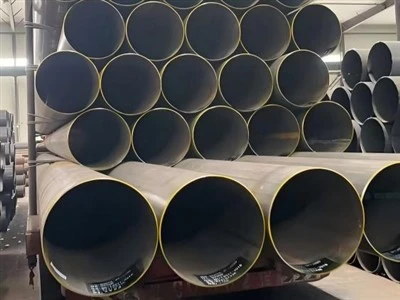
When it comes to the food processing industry, the choice of materials for equipment and infrastructure is of utmost importance. ASTM A500 hollow sections are a popular choice for various applications in this industry, but there are several special considerations that need to be taken into account to ensure compliance with food safety standards and operational efficiency. As a supplier of ASTM A500 hollow sections, I am well - versed in these considerations and would like to share them in this blog.
Material Quality and Purity
The first and most crucial consideration is the material quality of ASTM A500 hollow sections. In the food processing industry, any material that comes into contact with food must be free from contaminants and harmful substances. ASTM A500 hollow sections are typically made of carbon steel, and it is essential to ensure that the steel used meets the required purity standards.
The steel should be free from heavy metals such as lead, mercury, and cadmium, which can leach into food and pose a health risk. Additionally, the surface finish of the hollow sections should be smooth to prevent the accumulation of food particles and bacteria. A rough surface can harbor microorganisms, leading to potential food contamination. As a supplier, we conduct rigorous quality control tests on our ASTM A500 hollow sections to ensure that they meet the highest standards of purity and surface finish.
Corrosion Resistance
Food processing environments are often harsh, with exposure to moisture, acids, and cleaning agents. Corrosion can not only compromise the structural integrity of the hollow sections but also contaminate the food. Therefore, corrosion resistance is a key consideration when using ASTM A500 hollow sections in the food processing industry.
We offer ASTM A500 hollow sections with various corrosion - resistant coatings. For example, galvanized coatings can provide a protective layer that prevents rust and corrosion. The zinc coating acts as a sacrificial anode, corroding in place of the steel and extending the lifespan of the hollow sections. In some cases, more advanced coating technologies such as epoxy coatings may be used for enhanced corrosion protection, especially in environments with high levels of acidity or humidity.
Hygiene and Cleanability
Maintaining a high level of hygiene is non - negotiable in the food processing industry. ASTM A500 hollow sections should be designed in a way that allows for easy cleaning. This means minimizing crevices, joints, and corners where food particles and bacteria can accumulate.
Our hollow sections are manufactured with smooth welds and seamless designs whenever possible. Seamless hollow sections eliminate the potential for food to get trapped in weld seams, making them easier to clean. Additionally, we can provide custom - designed hollow sections with features such as rounded edges and smooth surfaces to facilitate thorough cleaning. Regular cleaning and sanitization of the hollow sections are essential to prevent the growth of bacteria and ensure food safety.
Structural Integrity
In the food processing industry, ASTM A500 hollow sections are used in various structural applications, such as framing for processing equipment, conveyor systems, and storage racks. Ensuring the structural integrity of these components is crucial for the safety and efficiency of the food processing operations.
The hollow sections must be able to withstand the loads and stresses associated with the equipment and processes. Our ASTM A500 hollow sections are engineered to meet the required strength and stiffness specifications. We provide detailed technical data on the mechanical properties of our products, including yield strength, tensile strength, and modulus of elasticity. This information allows our customers to select the appropriate hollow sections for their specific applications.
Compliance with Regulations
The food processing industry is highly regulated, and using ASTM A500 hollow sections requires compliance with various national and international standards. For example, in the United States, the Food and Drug Administration (FDA) has strict regulations regarding materials that come into contact with food.
Our company is committed to ensuring that our ASTM A500 hollow sections meet all relevant regulations. We work closely with regulatory bodies and stay updated on the latest standards to ensure that our products are compliant. This gives our customers peace of mind knowing that they are using materials that meet the highest safety and quality standards.
Compatibility with Other Materials
In food processing equipment, ASTM A500 hollow sections are often used in conjunction with other materials such as plastics, rubbers, and other metals. It is important to consider the compatibility of these materials to prevent chemical reactions or degradation.
For example, some plastics may release chemicals when in contact with certain metals, which can contaminate the food. Our technical team can provide guidance on the compatibility of ASTM A500 hollow sections with other materials commonly used in the food processing industry. We can also offer solutions for surface treatments or coatings that can enhance the compatibility of the hollow sections with other materials.
Cost - effectiveness
While ensuring quality and compliance is essential, cost - effectiveness is also a significant consideration in the food processing industry. Our company offers competitive pricing on our ASTM A500 hollow sections without compromising on quality.
We understand that food processing companies need to balance their budgets while maintaining high - quality standards. By providing cost - effective solutions, we help our customers optimize their operations and achieve their business goals. Additionally, our long - lasting and corrosion - resistant hollow sections can reduce the need for frequent replacements, resulting in long - term cost savings.
Customization
Every food processing facility has unique requirements, and our ASTM A500 hollow sections can be customized to meet these specific needs. Whether it is a specific size, shape, or coating, we have the capabilities to produce customized hollow sections.
For example, if a food processing company requires a special - shaped hollow section for a particular piece of equipment, we can use advanced manufacturing techniques to create the desired shape. Our customization services allow our customers to have the exact products they need for their food processing operations.
Conclusion
Using ASTM A500 hollow sections in the food processing industry requires careful consideration of several factors, including material quality, corrosion resistance, hygiene, structural integrity, compliance with regulations, compatibility with other materials, cost - effectiveness, and customization. As a supplier of ASTM A500 hollow sections, we are dedicated to providing high - quality products that meet the unique needs of the food processing industry.


If you are in the food processing industry and are looking for reliable ASTM A500 hollow sections, we invite you to [initiate a contact for procurement and negotiation]. We have a team of experts who can provide you with detailed information and guidance on the best solutions for your specific requirements.
References
- ASTM International. (Year). ASTM A500 Standard Specification for Cold - Formed Welded and Seamless Carbon Steel Structural Tubing in Rounds and Shapes.
- Food and Drug Administration. (Year). Regulations on materials in contact with food.
- Industry reports on food processing equipment and materials.