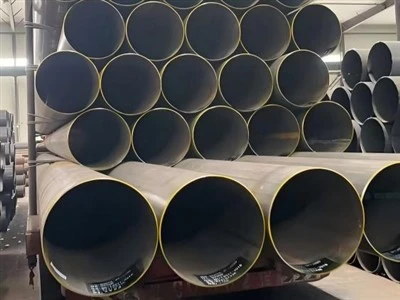
As a dedicated supplier of boiler steel pipes, I've had the privilege of witnessing the diverse and intricate world of transporting these crucial components. Boiler steel pipes are not just ordinary items; they are integral to various industries, from power generation to manufacturing. Ensuring their safe and efficient transportation is paramount to maintaining their quality and integrity. In this blog, I'll delve into the different transportation methods for boiler steel pipes, highlighting their advantages, considerations, and how we, as a supplier, navigate these processes to meet our customers' needs.
1. Road Transportation
Road transportation is one of the most common methods for delivering boiler steel pipes, especially for short to medium - distance hauls. Trucks offer a high degree of flexibility, allowing for door - to - door delivery. This means that the pipes can be transported directly from our warehouse to the customer's site, eliminating the need for multiple transfers and reducing the risk of damage.
When using road transportation, we pay close attention to the type of truck and the loading method. Flatbed trucks are often used for boiler steel pipes as they can accommodate large and long pipes easily. Specialized racks and restraints are installed on the flatbed to secure the pipes during transit. These restraints prevent the pipes from shifting, which could lead to scratches, dents, or even more severe damage.
However, road transportation also has its limitations. The weight and size restrictions imposed by local regulations can affect the quantity of pipes that can be transported in a single trip. Additionally, traffic conditions, such as congestion and road closures, can cause delays. Despite these challenges, road transportation remains a popular choice due to its convenience and the ability to provide timely delivery for urgent orders.
2. Rail Transportation
For longer - distance shipments, rail transportation is a cost - effective and efficient option. Railways can handle large volumes of boiler steel pipes, making them ideal for bulk orders. Trains have a high carrying capacity, which allows us to transport a significant quantity of pipes in a single shipment.
One of the key advantages of rail transportation is its reliability. Trains generally run on fixed schedules, reducing the risk of unexpected delays compared to road transportation. Moreover, rail tracks cover a vast network across the country, enabling us to reach customers in remote areas.
When shipping boiler steel pipes by rail, we use specialized railcars designed to carry long and heavy items. These railcars are equipped with securement systems to keep the pipes in place during transit. However, rail transportation also has some drawbacks. The lack of door - to - door service means that additional handling and transportation are required at both the origin and destination. This can increase the risk of damage and add to the overall cost and time of the delivery.
3. Sea Transportation
Sea transportation is the go - to option for international shipments of boiler steel pipes. It is particularly suitable for large - scale orders and customers located overseas. Shipping by sea offers a high level of cost - efficiency, especially for bulk cargo. Container ships and bulk carriers are commonly used to transport boiler steel pipes across the ocean.
Containerization is a popular method for sea transportation of boiler steel pipes. Pipes are loaded into standard shipping containers, which provide protection against the elements and reduce the risk of damage during handling and transit. Containers can also be easily transferred between different modes of transportation, such as trucks and trains, at the ports.
Bulk carriers, on the other hand, are used for transporting large quantities of un - containerized pipes. These vessels have large cargo holds that can accommodate long and heavy pipes. However, shipping by sea has a longer transit time compared to road or rail transportation. Weather conditions, such as storms and rough seas, can also cause delays and pose risks to the cargo.
4. Air Transportation
Although not as commonly used as the other methods, air transportation can be a viable option for urgent and high - value orders of boiler steel pipes. Air freight offers the fastest delivery times, which is crucial when customers need the pipes immediately for critical projects.
However, air transportation comes with a high cost. The limited cargo capacity of airplanes also restricts the quantity of pipes that can be transported at once. Additionally, strict safety regulations regarding the packaging and handling of goods for air travel need to be followed.


5. Considerations for Transportation
Regardless of the transportation method chosen, several factors need to be considered to ensure the safe and efficient delivery of boiler steel pipes.
Packaging: Proper packaging is essential to protect the pipes during transit. We use materials such as plastic wraps, wooden crates, and steel bands to secure and cushion the pipes. For example, pipes with a smooth surface may be wrapped in plastic to prevent scratches, while larger pipes may be placed in wooden crates for added protection.
Documentation: Accurate and complete documentation is required for all shipments. This includes bills of lading, packing lists, and certificates of origin. These documents ensure that the pipes can clear customs smoothly and reach their destination without any legal issues.
Insurance: Given the value of boiler steel pipes, it is crucial to have adequate insurance coverage for the shipment. Insurance protects against losses and damages that may occur during transportation, providing peace of mind for both us and our customers.
6. Our Role as a Supplier
As a boiler steel pipe supplier, we take a proactive approach to transportation. We work closely with our logistics partners to select the most suitable transportation method based on the customer's location, order quantity, and delivery time requirements.
We also provide our customers with detailed information about the transportation process, including estimated delivery times and tracking numbers. This transparency helps our customers plan their projects effectively and stay informed about the status of their orders.
In addition to the above, we offer a wide range of boiler steel pipes, such as ASTM A106 GR.B SMLS PIPE, API 5L GR.X42 SMLS STEEL PIPE, and Seamless Structural Steel Pipe. These pipes are of high quality and meet international standards, ensuring reliable performance in various applications.
7. Encouraging Contact for Procurement
If you are in need of high - quality boiler steel pipes, we invite you to contact us for procurement. Our experienced team is ready to assist you in selecting the right pipes for your project and providing you with competitive pricing and excellent service. Whether you have a small - scale project or a large - scale industrial requirement, we have the expertise and resources to meet your needs. Don't hesitate to reach out to us and start the conversation about your boiler steel pipe procurement.
References
- "Transportation Logistics: A Global Supply Chain Perspective" by Donald J. Bowersox, David J. Closs, and M. Bixby Cooper.
- "Handbook of Steel Pipe Engineering" by John H. Bickford.