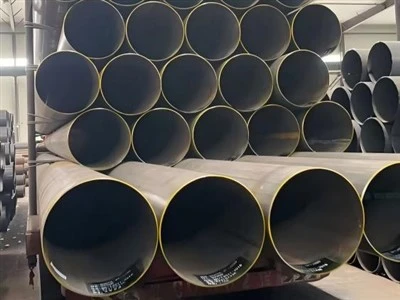
What is the straightness requirement of ERW steel pipe?
As a seasoned supplier of ERW steel pipes, I've witnessed firsthand the critical role that straightness plays in the performance and application of these products. Electric Resistance Welded (ERW) steel pipes are widely used in various industries, including construction, automotive, and infrastructure, where precision and reliability are paramount. In this blog post, I'll delve into the straightness requirements of ERW steel pipes, exploring why they matter, how they are measured, and the standards that govern them.
Why Straightness Matters
The straightness of an ERW steel pipe is not just a matter of aesthetics; it has a direct impact on the pipe's functionality and performance. A straight pipe ensures smooth flow of fluids or gases in plumbing and pipeline systems, minimizing friction and pressure drop. In structural applications, such as building frames and scaffolding, straight pipes provide stable support and prevent uneven stress distribution, which can lead to structural failure. Additionally, straight pipes are easier to install, reducing labor costs and installation time.
Measuring Straightness
There are several methods for measuring the straightness of ERW steel pipes, each with its own advantages and limitations. The most common methods include:
- Visual Inspection: This is the simplest and most basic method of checking straightness. An inspector visually examines the pipe for any visible bends, kinks, or twists. While visual inspection can quickly identify major deviations, it may not be accurate enough to detect subtle variations in straightness.
- String Method: In this method, a string is stretched along the length of the pipe. Any gaps between the string and the pipe surface indicate a deviation from straightness. The string method is relatively simple and inexpensive, but it can be affected by factors such as the tension of the string and the smoothness of the pipe surface.
- Laser Measurement: Laser measurement is a more advanced and accurate method for measuring straightness. A laser beam is projected along the length of the pipe, and sensors detect any deviations from the straight path. Laser measurement can provide precise and detailed information about the straightness of the pipe, but it requires specialized equipment and trained operators.
Standards for Straightness
To ensure the quality and performance of ERW steel pipes, various national and international standards have been established for straightness requirements. Some of the most widely recognized standards include:
- ASTM A53: This standard covers seamless and welded black and hot-dipped galvanized steel pipe for general purposes. ASTM A53 specifies a maximum deviation from straightness of 0.003 inches per foot of pipe length for pipes up to 12 inches in diameter and 0.005 inches per foot for pipes over 12 inches in diameter. You can find more information about ASTM A53 GR.A ERW PIPE and ASTM A53 ERW Pipe on our website.
- EN 10210: This European standard applies to hot-finished structural hollow sections of non-alloy and fine grain steels. EN 10210 specifies a maximum deviation from straightness of 0.5 mm per meter of pipe length for circular hollow sections.
- API 5L: This standard is used for line pipe for the transportation of oil, gas, and other fluids. API 5L requires a maximum deviation from straightness of 0.005 inches per foot of pipe length.
Factors Affecting Straightness
Several factors can affect the straightness of ERW steel pipes during the manufacturing process. These include:
- Rolling Process: The rolling process is a critical step in the production of ERW steel pipes. If the rolls are not properly aligned or adjusted, they can cause the pipe to bend or twist.
- Welding Process: The welding process can also introduce stresses and distortions in the pipe, which can affect its straightness. Proper welding techniques and equipment are essential to minimize these effects.
- Cooling Process: The cooling rate of the pipe after welding can also impact its straightness. Rapid cooling can cause uneven shrinkage, leading to bends and twists in the pipe.
Ensuring Straightness in Production
As an ERW steel pipe supplier, we take several measures to ensure the straightness of our products. These include:


- Quality Control: We have a rigorous quality control system in place to monitor the straightness of our pipes at every stage of the manufacturing process. Our inspectors use advanced measuring equipment to check the straightness of the pipes and ensure they meet the required standards.
- Advanced Manufacturing Technology: We invest in state-of-the-art manufacturing technology to minimize the factors that can affect straightness. Our modern rolling mills and welding equipment are designed to produce pipes with high precision and consistency.
- Skilled Workforce: Our team of experienced and skilled workers is trained to operate the manufacturing equipment and perform quality control checks. They have a deep understanding of the production process and the importance of straightness in ERW steel pipes.
Applications and Straightness Requirements
Different applications have different straightness requirements for ERW steel pipes. For example:
- Scaffolding: In scaffolding applications, straight pipes are essential for ensuring the stability and safety of the structure. EN39 S235GT SCAFFOLDING PIPE must meet strict straightness standards to prevent accidents and ensure proper assembly.
- Plumbing: In plumbing systems, straight pipes are necessary for smooth flow of water and other fluids. Deviations from straightness can cause blockages and reduce the efficiency of the system.
- Automotive: In the automotive industry, ERW steel pipes are used in various components, such as exhaust systems and fuel lines. Straight pipes are required to ensure proper fit and function of these components.
Conclusion
The straightness requirement of ERW steel pipes is a crucial factor that affects their performance, functionality, and safety in various applications. As a reliable ERW steel pipe supplier, we are committed to producing pipes that meet the highest standards of straightness and quality. By understanding the importance of straightness, the methods for measuring it, and the factors that affect it, we can ensure that our customers receive products that meet their specific requirements.
If you are in the market for high-quality ERW steel pipes, we invite you to contact us for a consultation. Our team of experts can help you select the right pipes for your application and provide you with competitive pricing and excellent customer service. Let's work together to meet your steel pipe needs.
References
- ASTM International. ASTM A53/A53M - 18 Standard Specification for Pipe, Steel, Black and Hot-Dipped, Zinc-Coated, Welded and Seamless.
- European Committee for Standardization. EN 10210-1:2006 Hot finished structural hollow sections of non-alloy and fine grain steels - Part 1: Technical delivery conditions.
- American Petroleum Institute. API 5L Specification for Line Pipe.