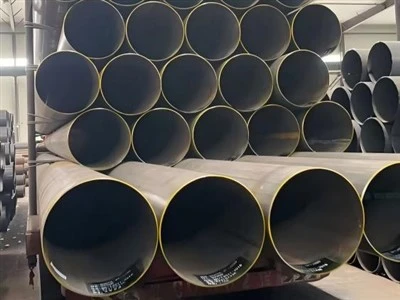
Hey there! I'm a supplier of galvanized steel pipes, and I often get asked about the standard size of these pipes. So, I thought I'd take a moment to break it all down for you.
First off, let's talk about what galvanized steel pipes are. They're basically steel pipes that have been coated with a layer of zinc to prevent rust and corrosion. This makes them super durable and long - lasting, which is why they're used in a whole bunch of applications, from plumbing and construction to fencing and agricultural projects.
Now, when it comes to the standard size of galvanized steel pipes, there isn't just one answer. It depends on a few different factors, like the application, the industry standards, and the country you're in. But I'll do my best to give you a general overview.
Pipe Sizes Based on Nominal Pipe Size (NPS)
In the United States and many other countries, galvanized steel pipes are commonly sized using the Nominal Pipe Size (NPS) system. This system uses a nominal or approximate size, which doesn't necessarily match the actual outside diameter (OD) of the pipe.
The NPS sizes range from 1/8 inch all the way up to 48 inches. For smaller pipes, like those used in residential plumbing, you'll often see sizes like 1/2 inch, 3/4 inch, and 1 inch. These pipes are great for things like water supply lines and drainage systems.
For larger applications, such as industrial piping or structural support, you might need pipes with NPS sizes of 6 inches, 8 inches, or even larger. The actual outside diameter of a pipe with a given NPS can vary slightly depending on the pipe schedule, which we'll talk about in a bit.
Pipe Schedule and Wall Thickness
Another important factor in determining the size of a galvanized steel pipe is the pipe schedule. The schedule refers to the wall thickness of the pipe. The most common schedules are Schedule 40 and Schedule 80.
Schedule 40 pipes have a relatively thinner wall compared to Schedule 80 pipes. They're suitable for most general - purpose applications, like water distribution and low - pressure systems. On the other hand, Schedule 80 pipes have a thicker wall, which makes them more suitable for high - pressure applications, such as industrial processes or underground piping.
For example, a 1 - inch NPS Schedule 40 galvanized steel pipe has an outside diameter of approximately 1.315 inches and a wall thickness of 0.133 inches. A 1 - inch NPS Schedule 80 pipe, on the other hand, has the same outside diameter but a thicker wall thickness of 0.179 inches.
International Standards
While the NPS system is widely used in the United States, other countries may follow different standards. For instance, in Europe, the metric system is commonly used to size pipes. The metric sizes are based on the outside diameter in millimeters.
Some common metric sizes for galvanized steel pipes include 20 mm, 25 mm, 32 mm, and so on. Just like with the NPS system, the wall thickness can also vary depending on the application and the standard.
Specific Applications and Sizes
Let's take a look at some specific applications and the typical sizes of galvanized steel pipes used in them.
Plumbing
In residential and commercial plumbing, 1/2 - inch to 2 - inch NPS pipes are commonly used. These pipes are used for water supply lines, drain lines, and vent pipes. For example, a 1/2 - inch pipe might be used for a small bathroom sink supply line, while a 2 - inch pipe could be used for a main drain line in a large building.
Construction
In construction, galvanized steel pipes are used for structural support, handrails, and fencing. For structural applications, larger NPS sizes, such as 4 inches to 12 inches, are often used. These pipes need to be strong enough to support the weight of the structure. Handrails and fencing, on the other hand, might use smaller pipes, like 1 - inch to 2 - inch NPS.
Industrial
In industrial settings, the size of the galvanized steel pipes can vary widely depending on the process. For low - pressure applications, like air or water distribution within a factory, 2 - inch to 6 - inch NPS pipes might be used. For high - pressure applications, such as transporting chemicals or steam, Schedule 80 pipes with larger NPS sizes could be required.
Our Product Range
As a galvanized steel pipe supplier, I offer a wide range of sizes and schedules to meet your needs. Whether you're working on a small plumbing project or a large - scale industrial installation, I've got you covered.

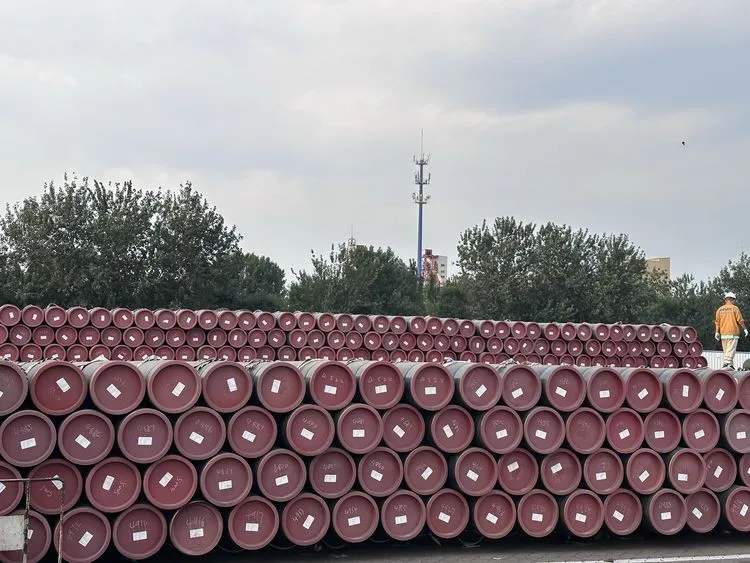
We also supply different types of steel pipes, including ERW Steel Pipe, ASTM A53 ERW Pipe, and ASTM A672 EFW Pipes. These pipes are made to high - quality standards and are suitable for various applications.
If you're not sure which size or type of pipe is right for your project, don't worry. I'm here to help you make the best choice. Just give me a bit of information about your application, and I can recommend the most suitable pipe for you.
Why Choose Our Galvanized Steel Pipes
There are a few reasons why you should choose our galvanized steel pipes. First of all, our pipes are made from high - quality steel and are galvanized using a state - of - the - art process. This ensures that they have a long service life and are resistant to rust and corrosion.
Secondly, we offer competitive prices without compromising on quality. We understand that cost is an important factor in any project, and we want to make sure you get the best value for your money.
Finally, our customer service is top - notch. I'm always available to answer your questions, provide technical support, and help you with your order. Whether you need a small quantity of pipes or a large shipment, I'll make sure everything goes smoothly.
Contact Us for Purchase
If you're interested in purchasing galvanized steel pipes, I'd love to hear from you. Whether you have a specific project in mind or just want to get some more information, feel free to reach out. We can discuss your requirements, provide you with a quote, and get your order started as soon as possible.
Don't hesitate to contact me for all your galvanized steel pipe needs. Let's work together to make your project a success!
References
- "Handbook of Steel Pipe Engineering"
- Various industry standards documents related to galvanized steel pipes.