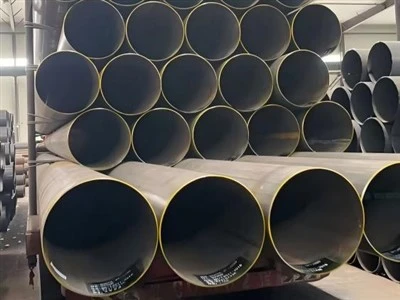
As a supplier of Square Hollow Sections, I've had numerous inquiries about the shear strength of these versatile steel products. Understanding shear strength is crucial for engineers, architects, and construction professionals as it directly impacts the structural integrity and safety of buildings and infrastructure. In this blog post, I'll delve into the concept of shear strength in Square Hollow Sections, explore the factors that influence it, and discuss its significance in various applications.
What is Shear Strength?
Shear strength refers to the ability of a material to resist forces that cause one part of the material to slide or deform relative to another part in a direction parallel to their plane of contact. In the context of Square Hollow Sections, shear strength is the maximum amount of shear stress the section can withstand before it fails. Shear stress occurs when a force is applied perpendicular to the longitudinal axis of the section, causing it to shear or break along a plane parallel to the force.
Factors Affecting Shear Strength
Several factors influence the shear strength of Square Hollow Sections. These include:
- Material Properties: The type of steel used in the manufacturing of the Square Hollow Section plays a significant role in determining its shear strength. High-strength steels, such as S460MLH HOLLOW SECTION, generally have higher shear strength compared to mild steels. The chemical composition, heat treatment, and mechanical properties of the steel can also affect its shear strength.
- Section Geometry: The dimensions and shape of the Square Hollow Section can impact its shear strength. Sections with larger cross-sectional areas and thicker walls tend to have higher shear strength. Additionally, the aspect ratio (the ratio of the width to the height of the section) can influence the distribution of shear stress within the section.
- Loading Conditions: The type and magnitude of the load applied to the Square Hollow Section can affect its shear strength. Static loads, which are applied gradually and remain constant over time, may result in different shear behavior compared to dynamic loads, such as those caused by earthquakes or wind. The point of application and the direction of the load can also impact the shear stress distribution within the section.
- Welding and Connection Details: If the Square Hollow Section is joined to other structural members using welding or mechanical connections, the quality of these connections can affect the overall shear strength of the structure. Proper welding techniques and connection design are essential to ensure that the shear forces are transferred effectively between the sections.
Calculating Shear Strength
The shear strength of Square Hollow Sections can be calculated using various methods, depending on the design code and the specific application. In general, the shear strength of a section is determined by considering the yield strength of the steel, the cross-sectional area of the section, and the shear stress distribution within the section.


One commonly used method for calculating the shear strength of Square Hollow Sections is based on the plastic design theory. According to this theory, the shear strength of a section is calculated by multiplying the yield strength of the steel by the cross-sectional area of the section and a reduction factor that accounts for the shear stress distribution.
Another method for calculating the shear strength of Square Hollow Sections is based on the elastic design theory. This method takes into account the elastic properties of the steel and the shear stress distribution within the section. The shear strength is calculated by dividing the maximum shear force that the section can withstand by the cross-sectional area of the section.
It's important to note that the calculation of shear strength is a complex process that requires a thorough understanding of structural mechanics and the relevant design codes. Therefore, it's recommended to consult a qualified structural engineer or refer to the appropriate design standards when determining the shear strength of Square Hollow Sections for a specific application.
Significance of Shear Strength in Applications
The shear strength of Square Hollow Sections is a critical factor in many structural applications. Here are some examples of how shear strength affects the performance of Square Hollow Sections in different industries:
- Building Construction: In building construction, Square Hollow Sections are commonly used as columns, beams, and braces. The shear strength of these sections is essential for ensuring the stability and safety of the building. For example, in high-rise buildings, the columns and beams must be able to withstand the shear forces caused by wind and seismic loads.
- Bridge Construction: Bridges are subjected to a variety of loads, including traffic loads, wind loads, and seismic loads. The shear strength of Square Hollow Sections used in bridge construction is crucial for ensuring the structural integrity of the bridge. For example, the girders and piers of a bridge must be able to withstand the shear forces caused by the traffic and the wind.
- Industrial Structures: In industrial structures, such as factories and warehouses, Square Hollow Sections are used for a variety of purposes, including framing, support structures, and conveyor systems. The shear strength of these sections is important for ensuring the reliability and durability of the structures. For example, the frames of a factory must be able to withstand the shear forces caused by the machinery and the equipment.
- Automotive and Aerospace Industries: In the automotive and aerospace industries, Square Hollow Sections are used in the manufacturing of vehicle frames, aircraft wings, and other structural components. The shear strength of these sections is critical for ensuring the safety and performance of the vehicles and the aircraft. For example, the frames of a car must be able to withstand the shear forces caused by the impact of a collision.
Conclusion
In conclusion, the shear strength of Square Hollow Sections is a crucial property that determines their performance in various structural applications. Understanding the factors that influence shear strength and how to calculate it is essential for ensuring the safety and reliability of structures. As a supplier of Square Hollow Sections, I'm committed to providing high-quality products that meet the highest standards of shear strength and other mechanical properties.
If you're interested in learning more about the shear strength of Square Hollow Sections or have any questions about our products, please don't hesitate to contact us. Our team of experts is available to assist you with your inquiries and provide you with the information you need to make an informed decision.
References
- American Institute of Steel Construction (AISC). (2017). Specification for Structural Steel Buildings.
- British Standards Institution (BSI). (2005). Structural Use of Steelwork in Building - Part 1: Code of Practice for Design - Rolled and Welded Sections.
- Eurocode 3: Design of Steel Structures - Part 1 - 1: General Rules and Rules for Buildings. (2005). European Committee for Standardization (CEN).
- Steel Construction Institute (SCI). (2008). Design Guide 35: Shear Connections in Steel Frames.