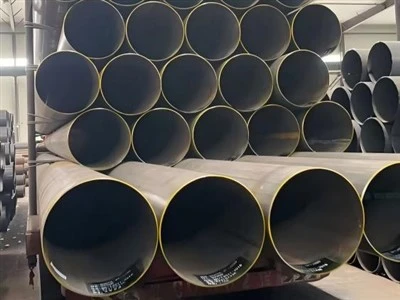
Hey there! I'm a supplier of ERW pipes, and I often get asked about the installation cost of ERW pipes. In this blog, I'll break down the factors that influence the installation cost and give you a better understanding of what to expect.
What Are ERW Pipes?
First off, let's quickly go over what ERW pipes are. Electric Resistance Welded (ERW) pipes are made by rolling metal strips and then welding the seams using electrical resistance. They're widely used in various industries like construction, oil and gas, and water supply because they're cost - effective, durable, and come in different sizes and specifications. For instance, you can find ASTM A53 GR.A ERW PIPE which meets specific industry standards and is popular for its quality.
Factors Affecting the Installation Cost
Pipe Material and Quality
The material of the ERW pipe has a huge impact on the installation cost. Steel is a common material, but different grades of steel have different prices. Higher - grade steel pipes are more expensive but are also more resistant to corrosion and have better mechanical properties. For example, Galvanized Steel Pipe is coated with zinc to prevent rust, which might cost a bit more upfront but can save you money in the long run by reducing maintenance.
The quality of the pipe also matters. Pipes that meet strict industry standards like ASTM are generally of higher quality and may cost more. However, using high - quality pipes can reduce the risk of leaks and failures during installation and operation, which can save on future repair costs.
Pipe Size and Thickness
Larger diameter pipes usually cost more to install. This is because they're heavier and require more equipment and labor to handle. Also, the thickness of the pipe wall affects the cost. Thicker - walled pipes are stronger but are also more expensive to install due to the additional material and the extra effort needed to cut and weld them.
Installation Location
Where you're installing the ERW pipes makes a big difference. If the installation site is in a remote area, transportation costs for the pipes and equipment will be higher. Also, difficult terrains like mountains or swamps can increase the installation cost because special equipment and techniques may be required.
Indoor installations can be more complex in some cases. For example, if you're installing pipes in a building with limited access, it may take more time and effort to maneuver the pipes into place. Outdoor installations, on the other hand, may be subject to weather conditions, which can cause delays and increase costs.
Labor Costs
Labor is a significant part of the installation cost. The skill level of the workers matters. Highly skilled welders and installers will charge more, but they can ensure a proper and safe installation. The local labor market also affects the cost. In areas with a high demand for construction workers, labor costs will be higher.
The complexity of the installation job also plays a role. If the pipes need to be bent, joined at odd angles, or integrated with other systems, it will take more time and skill, thus increasing the labor cost.
Additional Equipment and Accessories
You'll need various equipment for the installation of ERW pipes, such as welding machines, pipe cutters, and cranes. The cost of renting or purchasing this equipment adds to the overall installation cost.
Accessories like valves, flanges, and couplings are also necessary. The quality and type of these accessories can vary, and higher - quality ones will cost more. For example, ASTM A672 EFW Pipes may require specific types of flanges that meet the same standard, which can impact the cost.
Cost Estimation
It's difficult to give an exact figure for the installation cost of ERW pipes because it depends on so many factors. However, I can give you a rough idea.
On average, for a simple residential water supply installation using standard - sized ERW pipes, the installation cost can range from $3 to $8 per linear foot. This includes labor, basic equipment, and common accessories.
For commercial or industrial projects, the cost can be much higher. It could range from $10 to $50 per linear foot or even more, depending on the complexity of the project, the size of the pipes, and the quality requirements.


Saving on Installation Costs
If you're looking to save on the installation cost of ERW pipes, here are some tips:
- Plan Ahead: Proper planning can reduce the time and resources needed for installation. Make sure you have a clear design and layout before starting the project.
- Compare Suppliers: Don't just go with the first supplier you find. Compare prices and quality from different suppliers to get the best deal on the pipes.
- Choose the Right Size and Quality: Don't over - specify the pipe size and quality. Choose what's appropriate for your project to avoid unnecessary costs.
- Hire Experienced Workers: Although it may seem counterintuitive, hiring experienced workers can actually save you money in the long run. They can do the job faster and with fewer mistakes.
Conclusion
The installation cost of ERW pipes is influenced by many factors, including pipe material and quality, size and thickness, installation location, labor costs, and additional equipment and accessories. By understanding these factors, you can make more informed decisions when planning your project.
If you're interested in purchasing ERW pipes for your project, I'd love to have a chat with you. I can provide you with detailed information about our products and help you estimate the installation cost based on your specific needs. Feel free to reach out and start the conversation!
References
- Industry reports on ERW pipe installation costs
- ASTM standards for ERW pipes
- Local construction cost data