What is the hardness of ASTM A36 hollow sections?
As a supplier of ASTM A36 hollow sections, I often get asked about the hardness of these products. Understanding the hardness of ASTM A36 hollow sections is crucial for various applications, as it directly impacts the material's performance and suitability for specific tasks. In this blog post, I'll delve into the concept of hardness in ASTM A36 hollow sections, exploring what it means, how it's measured, and why it matters in different industries.
Understanding ASTM A36 Hollow Sections
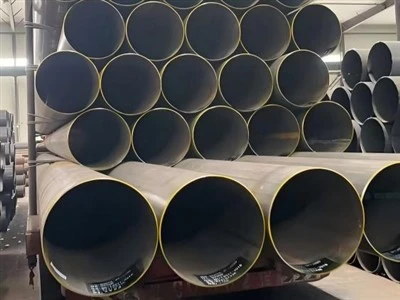
Before we dive into hardness, let's briefly review what ASTM A36 hollow sections are. ASTM A36 is a widely used carbon structural steel standard. The hollow sections made from ASTM A36 steel are known for their versatility and cost - effectiveness. They come in various shapes such as square, rectangular, and circular, and are used in a broad range of applications, including construction, machinery manufacturing, and automotive industries.
What is Hardness?
Hardness is a material property that refers to its resistance to permanent deformation, typically by indentation, scratching, or abrasion. In the context of ASTM A36 hollow sections, hardness plays a vital role in determining how well the material can withstand wear, pressure, and other forms of mechanical stress.
There are several ways to measure hardness, and the most common methods include the Brinell, Rockwell, and Vickers hardness tests. Each test has its own scale and is suitable for different types of materials and applications.
Brinell Hardness Test
The Brinell hardness test involves pressing a hard spherical indenter into the surface of the material under a specific load. The diameter of the resulting indentation is then measured, and the Brinell hardness number (BHN) is calculated based on the load and the surface area of the indentation. This test is often used for materials with a relatively large grain size or for assessing the hardness of thick - walled sections.
Rockwell Hardness Test
The Rockwell hardness test uses a small, pointed indenter (either a diamond cone or a hardened steel ball) to make an indentation in the material. The depth of the indentation is measured, and the Rockwell hardness number is determined. This test is quick and can be used on a variety of materials, including thin - walled sections.
Vickers Hardness Test
The Vickers hardness test uses a square - based pyramid indenter to create an indentation in the material. The diagonal length of the resulting indentation is measured, and the Vickers hardness number (HV) is calculated. This test is suitable for measuring the hardness of small or thin samples and can provide more accurate results for materials with a fine - grained structure.
Hardness of ASTM A36 Hollow Sections
The hardness of ASTM A36 hollow sections can vary depending on several factors, including the manufacturing process, heat treatment, and the specific composition of the steel. Generally, the typical Brinell hardness of ASTM A36 steel ranges from 119 to 163 BHN. This relatively low hardness gives ASTM A36 hollow sections good formability, which means they can be easily bent, welded, and machined.
However, in some applications where higher hardness is required, the ASTM A36 hollow sections can be heat - treated to increase their hardness. Heat treatment processes such as quenching and tempering can significantly improve the material's hardness and strength. But it's important to note that heat treatment may also affect other properties of the material, such as its ductility and toughness.
Importance of Hardness in Different Applications
Construction Industry
In the construction industry, ASTM A36 hollow sections are commonly used for structural purposes, such as building frames, bridges, and support columns. The hardness of these sections is important to ensure they can withstand the weight and forces exerted on them over time. For example, in high - rise buildings, the columns need to have sufficient hardness to support the vertical loads and resist lateral forces caused by wind or earthquakes.
Machinery Manufacturing
In machinery manufacturing, ASTM A36 hollow sections are used to make various machine parts, such as shafts, frames, and brackets. The hardness of these parts affects their wear resistance and durability. For instance, a machine shaft made from ASTM A36 hollow section needs to have the right hardness to prevent excessive wear and ensure smooth operation of the machine.
Automotive Industry
In the automotive industry, ASTM A36 hollow sections are used in the manufacturing of vehicle frames, suspension systems, and other components. The hardness of these sections is crucial for ensuring the safety and performance of the vehicle. For example, a well - hardened vehicle frame can better absorb and distribute the impact energy in the event of a collision.
Related Products
If you're interested in other types of hollow sections, we also offer ASTM A500 Gr.c Cold Formed Hollow Section, which is known for its high strength and excellent corrosion resistance. Our Cold Formed Square Hollow Section is another popular choice, offering precise dimensions and good surface finish. Additionally, we supply API5L X52M PSL1/PSL 2 LSAW Steel Pipe, which is widely used in the oil and gas industry.
Contact for Procurement
If you're in the market for ASTM A36 hollow sections or any of our other products, we'd be more than happy to assist you. Our team of experts can provide you with detailed product information, help you choose the right section for your application, and offer competitive pricing. Whether you're a small - scale project or a large - scale industrial client, we have the capacity to meet your needs. Please feel free to contact us to start a procurement discussion.


References
- ASM Handbook Volume 8: Mechanical Testing and Evaluation. ASM International.
- ASTM International Standards on Steel Materials. ASTM International.