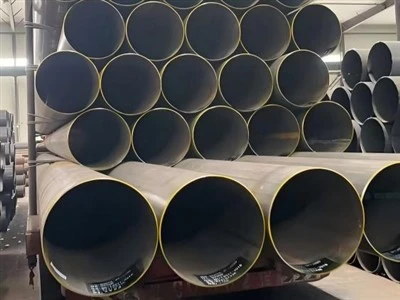
Galvanized steel pipes are widely used in various industries due to their corrosion resistance, durability, and strength. As a galvanized steel pipe supplier, I have encountered numerous customers interested in bending these pipes for different applications, such as construction, furniture manufacturing, and automotive industries. However, bending galvanized steel pipes is not without its limitations. In this blog post, I will discuss some of the key limitations associated with bending galvanized steel pipes.
Material Properties and Structural Integrity
One of the primary limitations of bending galvanized steel pipes is related to the material properties of the steel and the zinc coating. Galvanized steel pipes are made of steel that has been coated with a layer of zinc to protect it from corrosion. The zinc coating provides excellent corrosion resistance, but it can also affect the bending process.
When a galvanized steel pipe is bent, the outer surface of the bend is stretched, while the inner surface is compressed. This can cause the zinc coating to crack or flake off, exposing the underlying steel to the environment. Once the steel is exposed, it becomes susceptible to corrosion, which can significantly reduce the lifespan of the pipe.
Moreover, the bending process can also affect the structural integrity of the steel pipe itself. Excessive bending can cause the pipe to thin out at the bend, reducing its wall thickness and strength. This can lead to potential failures under load, especially in applications where the pipe is subjected to high stress or pressure.
Bending Radius and Pipe Diameter
The bending radius and pipe diameter are crucial factors that can limit the bending of galvanized steel pipes. The bending radius refers to the minimum radius at which a pipe can be bent without causing damage to the pipe or the zinc coating. In general, the larger the pipe diameter, the larger the bending radius required.
If the bending radius is too small for a given pipe diameter, it can cause the pipe to kink or collapse during the bending process. Kinking occurs when the pipe folds in on itself, creating a sharp bend that can weaken the pipe and make it more prone to failure. Collapse, on the other hand, happens when the pipe loses its round shape and becomes flattened, which can also compromise its structural integrity.
As a supplier, I often recommend that customers consult with a professional bending service provider to determine the appropriate bending radius for their specific pipe diameter and application. This can help ensure that the bending process is carried out safely and effectively, without causing any damage to the pipes.
Equipment and Tooling
The equipment and tooling used for bending galvanized steel pipes can also pose limitations. Bending galvanized steel pipes requires specialized equipment, such as pipe benders, that are designed to handle the specific properties of the material. Using the wrong equipment or tooling can result in poor-quality bends, damage to the pipes, or even accidents.
For example, some pipe benders may not be able to provide the necessary force or precision to bend larger diameter galvanized steel pipes. In such cases, the bending process may be incomplete or result in uneven bends, which can affect the functionality and appearance of the final product.
Additionally, the dies and mandrels used in the bending process must be properly sized and maintained to ensure a smooth and consistent bend. Worn or damaged dies can cause scratches or dents on the surface of the pipe, which can not only affect the aesthetics but also compromise the integrity of the zinc coating.
Surface Finish and Coating Damage
As mentioned earlier, the zinc coating on galvanized steel pipes can be easily damaged during the bending process. Even minor scratches or cracks in the coating can expose the underlying steel to corrosion, which can lead to premature failure of the pipe.
To minimize the risk of coating damage, it is essential to use proper bending techniques and equipment. For instance, using a mandrel during the bending process can help support the inside of the pipe and prevent it from collapsing or wrinkling, which can reduce the likelihood of coating damage.
However, despite taking all the necessary precautions, some degree of coating damage may still occur. In such cases, it may be necessary to repair or recoat the affected areas to restore the corrosion resistance of the pipe. This can add additional time and cost to the project, which is another limitation to consider when bending galvanized steel pipes.
Application-Specific Requirements
Different applications have different requirements for galvanized steel pipes, and these requirements can also limit the bending process. For example, in some applications, such as in the construction of scaffolding, the pipes must meet specific standards and regulations regarding their strength, dimensions, and surface finish.
EN39 S235GT SCAFFOLDING PIPE is a type of galvanized steel pipe commonly used in scaffolding applications. These pipes must be bent to precise angles and radii to ensure proper fit and stability of the scaffolding structure. Any deviation from the specified bending requirements can compromise the safety and functionality of the scaffolding.
Similarly, in the oil and gas industry, API 5L GR.X42 ERW STEEL PIPE is often used for pipelines. These pipes must be able to withstand high pressure and harsh environmental conditions, which means that the bending process must be carefully controlled to maintain the integrity of the pipe.
In the construction of handrails or furniture, the appearance of the bent pipes is also an important consideration. Any visible damage or imperfections in the pipe surface can affect the overall aesthetics of the final product. Therefore, the bending process must be carried out with great care to ensure a smooth and uniform surface finish.


Conclusion
In conclusion, while galvanized steel pipes offer many advantages, there are several limitations associated with bending them. These limitations include material properties and structural integrity, bending radius and pipe diameter, equipment and tooling, surface finish and coating damage, and application-specific requirements.
As a galvanized steel pipe supplier, I understand the importance of providing customers with high-quality products that meet their specific needs. If you are considering bending galvanized steel pipes for your project, I recommend that you consult with our team of experts. We can provide you with detailed information about the limitations and challenges associated with bending galvanized steel pipes and help you find the best solutions for your application.
Whether you need EN39 S235GT SCAFFOLDING PIPE, API 5L GR.X42 ERW STEEL PIPE, or EN39 Scaffold Tube, we have a wide range of galvanized steel pipes available to meet your requirements. Contact us today to discuss your project and explore the possibilities of working together. We look forward to helping you achieve your goals with our high-quality galvanized steel pipes.
References
- ASM Handbook, Volume 6: Welding, Brazing, and Soldering. ASM International, 1993.
- American Society of Mechanical Engineers (ASME) B31.3 - Process Piping Code.
- ASTM A53/A53M - Standard Specification for Pipe, Steel, Black and Hot - Dipped, Zinc - Coated, Welded and Seamless.