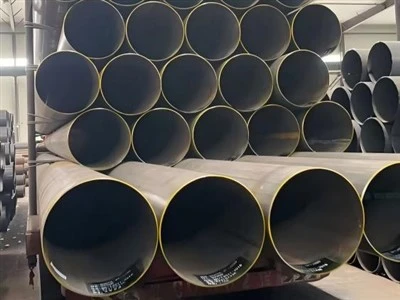
As a supplier of SSAW pipes, I've been frequently asked whether SSAW pipes are suitable for underground use. This is a crucial question, considering the unique environmental conditions underground and the long - term performance requirements of pipes. In this blog, I'll delve into the characteristics of SSAW pipes, the challenges of underground environments, and analyze whether SSAW pipes are a good fit for underground applications.
Understanding SSAW Pipes
SSAW pipes, or Spiral Submerged Arc Welded pipes, are manufactured by bending a steel strip into a spiral shape and then welding the edges together using the submerged arc welding process. This method allows for the production of pipes with large diameters, typically ranging from 219mm to 3620mm.
One of the key advantages of SSAW pipes is their cost - effectiveness. The production process of SSAW pipes is relatively efficient, which enables us to offer them at a competitive price compared to some other types of pipes. This cost - efficiency makes them an attractive option for large - scale projects, especially those with budget constraints.
Another significant benefit is their high strength. The spiral welding structure distributes stress evenly along the pipe, enhancing its overall strength and ability to withstand internal and external pressures. SSAW pipes can be produced with different steel grades, such as Q235, Q345, and API 5L, which further allows for customization according to the specific requirements of the project. For more information about SSAW pipes, you can visit our Ssaw Steel Pipe and Ssaw Pipe pages.
Challenges in Underground Environments
Underground environments present a series of challenges that any pipe used in such settings must overcome. Firstly, there is the issue of soil pressure. The weight of the soil above the pipe can exert significant external pressure. If the pipe does not have sufficient strength, it may deform or even collapse.
Secondly, underground soil often contains various chemicals, such as acids, alkalis, and salts. These chemicals can cause corrosion to the pipe over time. Corrosion not only weakens the pipe's structure but also reduces its service life and may lead to leaks or failures.
In addition, underground water can also pose a threat. High - water - table areas or areas prone to flooding can subject the pipe to hydrostatic pressure. Moreover, water can accelerate the corrosion process, especially in the presence of oxygen and certain ions.
Suitability of SSAW Pipes for Underground Use
Strength and Pressure Resistance
As mentioned earlier, SSAW pipes have high strength due to their spiral welding structure. This makes them well - suited to withstand the soil pressure underground. The even distribution of stress along the spiral weld helps prevent stress concentration points that could lead to premature failure. For applications where high - pressure fluids or gases need to be transported underground, SSAW pipes can be a reliable choice. For example, in oil and gas pipelines buried underground, SSAW pipes with appropriate steel grades can handle the high internal pressures associated with the transportation of these substances.

Corrosion Resistance
The corrosion resistance of SSAW pipes can be enhanced through various measures. One common approach is to apply anti - corrosion coatings. There are several types of coatings available, such as epoxy coatings, polyethylene coatings, and coal tar enamel coatings. These coatings act as a barrier between the pipe surface and the corrosive substances in the soil, significantly reducing the risk of corrosion.
Another option is to use corrosion - resistant steel grades. For instance, ASTM A252 Piling Pipe is designed to have good corrosion resistance, which makes it suitable for underground piling applications where the pipe is in direct contact with the soil for an extended period.
Installation and Long - term Performance
SSAW pipes are relatively easy to install underground. Their large diameters can be beneficial for projects that require the transportation of large volumes of fluids or gases. The spiral shape also allows for some flexibility during installation, which can be an advantage when dealing with uneven underground terrain.
In terms of long - term performance, with proper anti - corrosion measures and installation practices, SSAW pipes can have a long service life underground. Regular inspections and maintenance can further ensure their continued reliability.

Case Studies
There are numerous successful projects where SSAW pipes have been used underground. In a large - scale water supply project in a rural area, SSAW pipes were installed to transport water from a reservoir to various villages. The pipes were coated with an epoxy resin to protect against soil corrosion. After several years of operation, inspections showed that the pipes were in good condition, with no signs of significant corrosion or structural damage.
In an oilfield project, SSAW pipes were used for the underground transportation of crude oil. The pipes were made of high - strength API 5L steel and were coated with a polyethylene layer. They withstood the high internal pressures of the oil flow and the external soil pressure, ensuring the continuous and safe transportation of crude oil.
Considerations and Limitations
While SSAW pipes have many advantages for underground use, there are also some considerations. For very aggressive underground environments, such as areas with extremely high levels of acidity or salinity, even with anti - corrosion coatings, the pipes may still require more frequent inspections and maintenance.
In addition, the quality of the welding in SSAW pipes is crucial. Any defects in the weld can compromise the pipe's integrity and lead to failures. Therefore, it is essential to work with a reliable supplier who has strict quality control measures in place.
Conclusion
In general, SSAW pipes are suitable for underground use in many applications. Their high strength, cost - effectiveness, and the ability to enhance corrosion resistance through various means make them a viable option for underground projects. Whether it's for water supply, oil and gas transportation, or piling, SSAW pipes can meet the requirements of different underground environments.
If you are considering using SSAW pipes for your underground project, I encourage you to reach out to us for more detailed information and to discuss your specific needs. Our team of experts can provide you with customized solutions based on your project requirements.
References
- American Petroleum Institute. API 5L Specification for Line Pipe.
- ASTM International. ASTM A252 Standard Specification for Welded and Seamless Steel Pipe Piles.
- National Association of Corrosion Engineers (NACE). Corrosion Control in Underground Pipelines.