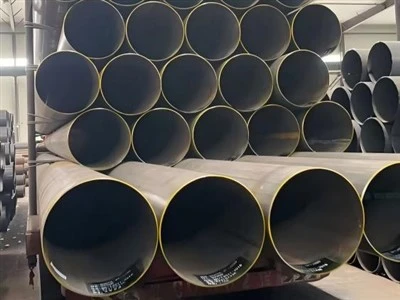
Selecting the appropriate rectangular tube for a load - bearing application is a critical decision that can significantly impact the safety, durability, and performance of a structure. As a rectangular tube supplier, I understand the complexities involved in this process and am here to guide you through the key considerations.
1. Understanding the Load Requirements
The first step in choosing the right rectangular tube is to have a clear understanding of the load it will bear. Loads can be classified into two main types: static and dynamic. Static loads are constant and do not change over time, such as the weight of a building structure itself. Dynamic loads, on the other hand, are variable and can include wind forces, seismic activity, or moving machinery.
For static load - bearing applications, the tube's ability to resist compression and bending is crucial. You need to calculate the maximum load that the tube will experience and ensure that the selected tube has sufficient strength to withstand it. This involves determining the load per unit length and the total load over the entire length of the tube.
In dynamic load - bearing scenarios, additional factors come into play. The tube must be able to absorb and dissipate energy without failing. For example, in a structure exposed to wind or earthquake forces, the rectangular tube should have good ductility to prevent sudden and catastrophic failure.
2. Material Selection
The material of the rectangular tube is a fundamental factor that affects its load - bearing capacity. Common materials used for rectangular tubes include carbon steel, stainless steel, and aluminum.
Carbon Steel
Carbon steel is a popular choice for load - bearing applications due to its high strength and relatively low cost. It is available in different grades, each with its own mechanical properties. For example, En 10219 Hollow Sections are widely used in construction and engineering projects. The En 10219 S355j2h Hollow Sections offer good strength and toughness, making them suitable for heavy - duty load - bearing structures.
Stainless Steel
Stainless steel is known for its corrosion resistance, which makes it ideal for applications in harsh environments. It also has good strength and aesthetic appeal. However, it is generally more expensive than carbon steel. If the rectangular tube will be exposed to moisture, chemicals, or high - humidity conditions, stainless steel may be the better choice.
Aluminum
Aluminum is lightweight and has good corrosion resistance. It is often used in applications where weight reduction is a priority, such as in the aerospace and automotive industries. However, its strength is lower compared to steel, so it may not be suitable for extremely heavy - load applications.


3. Geometric Properties
The geometric properties of the rectangular tube, such as its cross - sectional dimensions and wall thickness, play a significant role in its load - bearing capacity.
Cross - Sectional Dimensions
The width, height, and aspect ratio (the ratio of width to height) of the rectangular tube affect its bending and torsional resistance. A wider tube generally has better bending resistance in the direction of the wider dimension. For example, if a tube is primarily subjected to bending in one direction, a rectangular tube with a larger width in that direction may be more appropriate.
Wall Thickness
The wall thickness of the tube directly influences its strength. A thicker - walled tube can withstand higher loads compared to a thinner - walled one. However, increasing the wall thickness also increases the weight and cost of the tube. Therefore, it is important to find a balance between strength and cost. You need to calculate the required wall thickness based on the expected load and the material properties of the tube.
4. Surface Finish and Coating
The surface finish and coating of the rectangular tube can have an impact on its durability and performance. A smooth surface finish can reduce friction and prevent the accumulation of debris, which can improve the tube's resistance to corrosion and wear.
Coatings can provide additional protection against corrosion. For example, galvanizing is a common coating method for carbon steel tubes. It involves applying a layer of zinc to the surface of the tube, which acts as a sacrificial anode to protect the steel from rusting. Other coatings, such as powder coating or epoxy coating, can also be used depending on the specific application requirements.
5. Quality and Standards
When selecting a rectangular tube for a load - bearing application, it is essential to ensure that the tube meets the relevant quality standards. Standards such as ASTM, EN, and JIS define the requirements for the chemical composition, mechanical properties, and dimensional tolerances of the tube.
Certified tubes that comply with these standards are more likely to have consistent quality and performance. For example, SHARP CORNER HOLLOW SECTIONS that meet the appropriate standards can provide reliable load - bearing capabilities.
6. Supplier Reputation
As a rectangular tube supplier, I understand the importance of reputation. A reliable supplier should have a proven track record of providing high - quality products. They should be able to offer technical support and assistance in selecting the right tube for your specific application.
You can check the supplier's reviews and testimonials from other customers. A good supplier will also have a quality control system in place to ensure that every tube meets the required standards. They should be able to provide certificates of compliance and test reports for their products.
7. Cost Considerations
Cost is always a factor in any project. While it is important to select a high - quality rectangular tube that meets the load - bearing requirements, you also need to consider the budget. You can compare the prices of different materials, tube sizes, and suppliers to find the most cost - effective solution.
However, it is important not to compromise on quality for the sake of cost. A cheaper tube that does not meet the required standards may lead to costly repairs or even structural failures in the long run.
Conclusion
Selecting the appropriate rectangular tube for a load - bearing application requires a comprehensive understanding of the load requirements, material properties, geometric characteristics, surface finish, quality standards, supplier reputation, and cost. By carefully considering these factors, you can ensure that the tube you choose will provide reliable and long - lasting performance.
If you are in the process of selecting a rectangular tube for your load - bearing project, I encourage you to reach out to us for professional advice and high - quality products. We have a wide range of rectangular tubes in different materials, sizes, and finishes to meet your specific needs. Contact us to start a discussion about your project requirements and let us help you find the perfect solution.
References
- ASCE 7 - 16, Minimum Design Loads and Associated Criteria for Buildings and Other Structures.
- EN 10219, Cold - formed welded structural hollow sections of non - alloy and fine grain steels.
- ASTM standards related to steel and aluminum tubes.