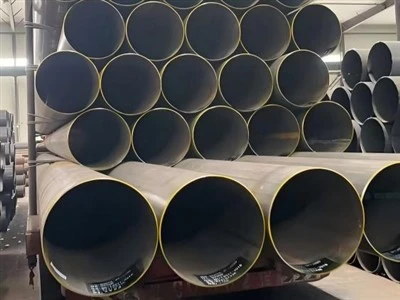
So, you're looking to design an Electric Resistance Welded (ERW) pipe network for ventilation systems? Well, you've come to the right place! As an ERW pipe supplier, I've got a wealth of experience and insights to share with you.
Understanding the Basics of ERW Pipes
First things first, let's talk a bit about ERW pipes. ERW pipes are made by rolling metal strips and then welding the edges together using electric resistance. This process results in a strong and reliable pipe that's perfect for a variety of applications, including ventilation systems.
One of the great things about ERW pipes is their versatility. They come in different sizes, thicknesses, and grades to meet the specific needs of your ventilation project. For example, you might be interested in API 5L GR.X42 ERW STEEL PIPE, which is known for its high strength and corrosion resistance. This type of pipe is often used in industrial ventilation systems where durability is key.
Factors to Consider in Designing a Ventilation Pipe Network
When designing an ERW pipe network for ventilation systems, there are several important factors to consider.
1. Airflow Requirements
The first step is to determine the airflow requirements of your ventilation system. This will depend on the size of the space you're ventilating, the number of occupants, and the type of activities taking place in the area. You need to calculate the volume of air that needs to be moved in and out of the space per minute (CFM - cubic feet per minute). Once you have this figure, you can start selecting the appropriate pipe sizes to ensure smooth and efficient airflow.
2. Pipe Sizing
Pipe sizing is crucial in a ventilation system. If the pipes are too small, the airflow will be restricted, leading to increased pressure drop and inefficient operation. On the other hand, if the pipes are too large, it can result in unnecessary cost and space requirements. You'll need to use engineering calculations or software tools to determine the optimal pipe sizes based on your airflow requirements and the length of the pipe runs.
3. Pressure Drop
Pressure drop is another important consideration. As air moves through the pipes, it encounters resistance, which causes a drop in pressure. You need to minimize pressure drop to ensure that the ventilation system operates efficiently. This can be achieved by using smooth - walled pipes, minimizing bends and elbows, and properly sizing the ducts.


4. Layout and Route
The layout and route of the pipe network are also critical. You should try to keep the pipe runs as straight and short as possible to reduce pressure drop. Additionally, you need to avoid areas where the pipes may be subject to damage or interference from other building systems. Consider the location of equipment such as fans, filters, and dampers, and ensure that they are easily accessible for maintenance.
5. Material Selection
As an ERW pipe supplier, I can tell you that material selection is key. Different applications may require different grades and types of ERW pipes. For example, in a corrosive environment, you might want to choose a pipe with a higher level of corrosion resistance. EN10219 SCAFFOLDING PIPE might be a good option in some construction - related ventilation projects where the pipes need to be strong and durable. And if you're looking for a pipe that meets ASTM standards for specific electrical - fusion - welded applications, ASTM A672 EFW Pipes could be a great fit.
Design Steps
Now that we've covered the key factors, let's go through the design steps.
Step 1: Gather Information
Collect all the necessary information about the ventilation project, including the building layout, occupancy, and intended use of the space. Also, find out about any local building codes and regulations that may apply.
Step 2: Calculate Airflow
Based on the information you've gathered, calculate the required airflow for the ventilation system. Use industry - standard formulas or software to get accurate results.
Step 3: Select Pipe Sizes
Using the airflow calculations, select the appropriate pipe sizes. Consider the pressure drop and the available space when making your selections.
Step 4: Plan the Layout
Sketch out the layout of the pipe network on a building plan. Pay attention to the location of equipment, access points, and any potential obstacles.
Step 5: Review and Optimize
Review your design to ensure that it meets all the requirements and is efficient. Look for ways to reduce pressure drop, minimize pipe lengths, and improve overall performance.
Quality and Maintenance
When it comes to your ERW pipe network for ventilation systems, quality and maintenance are non - negotiable. Make sure you source your pipes from a reliable supplier (hint, that's where I come in!). High - quality pipes will ensure a longer lifespan for your ventilation system and fewer issues down the line.
Regular maintenance is also essential. Inspect the pipes for any signs of damage, corrosion, or blockages on a regular basis. Replace any worn - out parts promptly to keep the system running smoothly.
Conclusion and Call to Action
Designing an ERW pipe network for ventilation systems is a complex but rewarding process. By considering factors like airflow requirements, pipe sizing, pressure drop, layout, and material selection, you can create a ventilation system that is efficient, reliable, and cost - effective.
If you're in the market for high - quality ERW pipes for your ventilation project, don't hesitate to get in touch for procurement discussions. Whether you need help with pipe selection, design advice, or just have a general question, I'm here to assist you.
References
- ASHRAE Handbook - HVAC Systems and Equipment
- Pipe Fabrication and Installation Handbook
- ASTM Standards for Welded Pipes