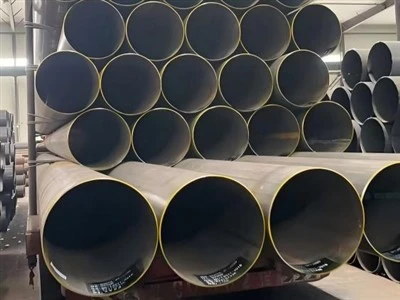
Connecting multiple square hollow sections together is a common requirement in various construction and engineering projects. As a leading supplier of square hollow sections, I understand the importance of providing reliable and efficient connection methods. In this blog post, I will share some effective ways to connect square hollow sections, along with the considerations and best practices for each method.
Welding
Welding is one of the most popular methods for connecting square hollow sections. It provides a strong and permanent joint that can withstand high loads and stresses. There are several types of welding processes that can be used, including arc welding, gas welding, and resistance welding.
Arc Welding
Arc welding is a widely used process for joining square hollow sections. It involves creating an electric arc between an electrode and the workpiece, which melts the metal and forms a weld. There are two main types of arc welding: shielded metal arc welding (SMAW) and gas metal arc welding (GMAW).
- Shielded Metal Arc Welding (SMAW): Also known as stick welding, SMAW is a simple and versatile welding process. It uses a consumable electrode coated with a flux that protects the weld from oxidation and contamination. SMAW is suitable for outdoor welding and can be used on a variety of metals, including carbon steel, stainless steel, and aluminum.
- Gas Metal Arc Welding (GMAW): Also known as MIG welding, GMAW is a faster and more efficient welding process than SMAW. It uses a continuous wire electrode and a shielding gas to protect the weld from oxidation and contamination. GMAW is suitable for welding thin materials and can be used on a variety of metals, including carbon steel, stainless steel, and aluminum.
Gas Welding
Gas welding is a process that uses a flame produced by the combustion of a fuel gas and oxygen to melt the metal and form a weld. There are two main types of gas welding: oxy-acetylene welding and oxy-propane welding.
- Oxy-Acetylene Welding: Oxy-acetylene welding is a versatile welding process that can be used on a variety of metals, including carbon steel, stainless steel, and aluminum. It produces a high-temperature flame that can melt the metal quickly and easily. Oxy-acetylene welding is suitable for welding thick materials and can be used for both manual and automatic welding.
- Oxy-Propane Welding: Oxy-propane welding is a similar process to oxy-acetylene welding, but it uses propane instead of acetylene as the fuel gas. Oxy-propane welding is a safer and more cost-effective alternative to oxy-acetylene welding, but it produces a lower-temperature flame that is less suitable for welding thick materials.
Resistance Welding
Resistance welding is a process that uses an electric current to heat the metal and form a weld. There are several types of resistance welding, including spot welding, seam welding, and projection welding.
- Spot Welding: Spot welding is a process that uses two electrodes to apply pressure and an electric current to the metal, which melts the metal and forms a weld. Spot welding is suitable for welding thin materials and can be used on a variety of metals, including carbon steel, stainless steel, and aluminum.
- Seam Welding: Seam welding is a process that uses two rotating electrodes to apply pressure and an electric current to the metal, which melts the metal and forms a continuous weld. Seam welding is suitable for welding long seams and can be used on a variety of metals, including carbon steel, stainless steel, and aluminum.
- Projection Welding: Projection welding is a process that uses a projection on one of the workpieces to concentrate the electric current and heat the metal, which melts the metal and forms a weld. Projection welding is suitable for welding parts with complex shapes and can be used on a variety of metals, including carbon steel, stainless steel, and aluminum.
Bolting
Bolting is another common method for connecting square hollow sections. It provides a flexible and removable joint that can be easily disassembled and reassembled. There are several types of bolts that can be used, including hex bolts, carriage bolts, and lag bolts.
Hex Bolts
Hex bolts are the most common type of bolt used for connecting square hollow sections. They have a hexagonal head and a threaded shaft that can be tightened with a wrench. Hex bolts are available in a variety of sizes and grades, and they can be used on a variety of metals, including carbon steel, stainless steel, and aluminum.
Carriage Bolts
Carriage bolts are similar to hex bolts, but they have a round head and a square neck that prevents the bolt from turning when it is tightened. Carriage bolts are commonly used for connecting wood to metal or metal to metal, and they are available in a variety of sizes and grades.
Lag Bolts
Lag bolts are a type of bolt that is designed to be used with wood. They have a large, coarse thread that provides a strong grip on the wood, and they are available in a variety of sizes and grades. Lag bolts are commonly used for connecting wood to metal or metal to wood, and they are often used in construction and woodworking projects.
Riveting
Riveting is a process that uses a rivet to join two or more pieces of metal together. It provides a strong and permanent joint that can withstand high loads and stresses. There are several types of rivets that can be used, including solid rivets, blind rivets, and tubular rivets.
Solid Rivets
Solid rivets are the most common type of rivet used for connecting square hollow sections. They are made of a solid piece of metal and are installed by hammering or pressing them into place. Solid rivets are available in a variety of sizes and grades, and they can be used on a variety of metals, including carbon steel, stainless steel, and aluminum.
Blind Rivets
Blind rivets are a type of rivet that can be installed from one side of the workpiece. They are commonly used in applications where access to the back side of the workpiece is limited. Blind rivets are available in a variety of sizes and grades, and they can be used on a variety of metals, including carbon steel, stainless steel, and aluminum.


Tubular Rivets
Tubular rivets are a type of rivet that is made of a tube of metal. They are commonly used in applications where a lightweight and low-cost rivet is required. Tubular rivets are available in a variety of sizes and grades, and they can be used on a variety of metals, including carbon steel, stainless steel, and aluminum.
Considerations and Best Practices
When connecting square hollow sections, there are several considerations and best practices that should be followed to ensure a strong and reliable joint.
Material Compatibility
The materials used for the square hollow sections and the connection method should be compatible. For example, if the square hollow sections are made of carbon steel, the welding electrodes or bolts should also be made of carbon steel. Using incompatible materials can result in corrosion and other problems.
Joint Design
The joint design should be carefully considered to ensure that it can withstand the loads and stresses that will be applied to it. The joint should be designed to distribute the loads evenly and to prevent stress concentrations.
Welding Quality
If welding is used to connect the square hollow sections, the welding quality should be carefully controlled to ensure that the weld is strong and free of defects. The welding process should be performed by a qualified welder using the appropriate welding equipment and techniques.
Bolt Tightening
If bolting is used to connect the square hollow sections, the bolts should be tightened to the appropriate torque to ensure that the joint is secure. Over-tightening the bolts can cause the bolts to break or the square hollow sections to deform, while under-tightening the bolts can cause the joint to loosen and fail.
Rivet Installation
If riveting is used to connect the square hollow sections, the rivets should be installed correctly to ensure that the joint is strong and secure. The rivets should be installed using the appropriate riveting equipment and techniques, and the rivet holes should be drilled to the correct size and spacing.
Conclusion
Connecting multiple square hollow sections together is a common requirement in various construction and engineering projects. There are several effective ways to connect square hollow sections, including welding, bolting, and riveting. Each method has its own advantages and disadvantages, and the choice of method will depend on the specific requirements of the project.
As a leading supplier of square hollow sections, I offer a wide range of high-quality ASTM A500 Gr.c Hollow Section, AS/NZS 1163 HOLLOW SECTIONS, and Hot Formed Hollow Section to meet the needs of my customers. If you have any questions or need assistance with connecting square hollow sections, please feel free to contact me. I will be happy to help you find the best solution for your project.
References
- American Welding Society. (2023). Welding Handbook.
- Structural Steel Design Handbook. (2023).
- Rivet Manufacturers Association. (2023). Rivet Installation Guide.