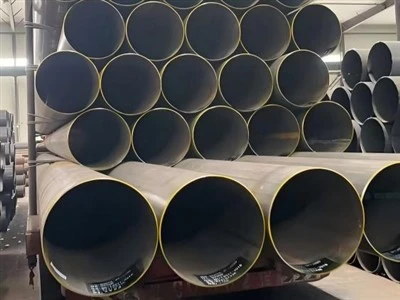
As a seasoned supplier of seamless mechanical pipes, I've witnessed firsthand how the wall thickness of these pipes can significantly impact their performance. In this blog, I'll delve into the various aspects of how wall thickness affects the functionality, durability, and suitability of seamless mechanical pipes for different applications.
Strength and Pressure Resistance
One of the most obvious ways wall thickness affects seamless mechanical pipes is in their strength and pressure - resistance capabilities. A thicker - walled pipe can withstand higher internal and external pressures without deforming or failing. This is because the additional material provides more cross - sectional area to distribute the stress.
For instance, in high - pressure fluid transportation systems, such as oil and gas pipelines, a thicker - walled pipe like the API 5L GR.X42 SMLS STEEL PIPE is often preferred. The extra wall thickness allows it to handle the high pressures associated with the long - distance transport of oil and gas. In contrast, a thinner - walled pipe may bulge or burst under the same pressure conditions, leading to leaks and potential safety hazards.
In industrial settings where steam or compressed air is used, the wall thickness of the pipes also plays a crucial role. Thicker pipes can better resist the expansion and contraction caused by temperature changes and pressure variations. This ensures the integrity of the piping system over time, reducing the need for frequent repairs and replacements.
Durability and Corrosion Resistance
Wall thickness also has a direct impact on the durability of seamless mechanical pipes. A thicker wall provides more material to be sacrificed in the event of corrosion or wear. Corrosion is a common problem in many industrial environments, especially those with high humidity, chemical exposure, or saltwater.
Take the St52 Seamless Mechanical Tube as an example. In a marine environment, where the pipes are constantly exposed to saltwater, a thicker - walled tube will last longer. The outer layer of the pipe may corrode over time, but the thicker wall provides a buffer, allowing the pipe to maintain its structural integrity for a longer period.
In addition to corrosion, wear and tear can also affect the lifespan of pipes. In applications where the pipes are subject to abrasive materials, such as in mining or construction, a thicker - walled pipe can better withstand the abrasion. The extra material on the inner and outer surfaces of the pipe acts as a protective layer, reducing the rate of wear and extending the pipe's service life.
Heat Transfer and Thermal Performance
The wall thickness of seamless mechanical pipes can influence their heat transfer properties. In heat exchanger applications, for example, the rate of heat transfer between the fluid inside the pipe and the surrounding environment is affected by the wall thickness.
A thinner - walled pipe generally has better heat transfer capabilities because there is less material to impede the flow of heat. This makes thinner pipes more suitable for applications where efficient heat transfer is required, such as in refrigeration systems or some chemical processing plants. The ASTM A333 Gr.6 Seamless Pipe is often used in cryogenic applications where rapid heat transfer is necessary.


On the other hand, in applications where insulation is required, a thicker - walled pipe can act as a natural insulator. The extra material slows down the rate of heat transfer, helping to maintain the temperature of the fluid inside the pipe. This is beneficial in processes where precise temperature control is crucial, such as in food and beverage production or pharmaceutical manufacturing.
Cost and Installation Considerations
Wall thickness also has implications for the cost and installation of seamless mechanical pipes. Thicker - walled pipes are generally more expensive than thinner - walled ones. This is because they require more raw material and more energy to manufacture. The increased weight of thicker pipes also adds to the transportation costs.
In terms of installation, thicker - walled pipes can be more challenging to handle and install. They are heavier and may require more specialized equipment for lifting and positioning. This can increase the labor costs associated with installation. However, in some cases, the long - term benefits of using thicker - walled pipes, such as reduced maintenance and longer service life, may outweigh the initial higher costs.
Application - Specific Considerations
Different applications have different requirements for the wall thickness of seamless mechanical pipes. In automotive manufacturing, for example, lightweight and thin - walled pipes are often preferred to reduce the overall weight of the vehicle and improve fuel efficiency. These pipes need to be strong enough to withstand the vibrations and stresses associated with vehicle operation but not overly thick to add unnecessary weight.
In structural applications, such as in building construction, the wall thickness of the pipes is determined by the load - bearing requirements. Thicker - walled pipes are used in areas where they need to support heavy loads, such as in the columns and beams of large buildings.
Conclusion
In conclusion, the wall thickness of seamless mechanical pipes has a profound impact on their performance in various aspects, including strength, durability, heat transfer, cost, and suitability for different applications. As a supplier, I understand the importance of choosing the right wall thickness for each specific use case.
Whether you're involved in oil and gas, industrial manufacturing, automotive, or construction, selecting the appropriate seamless mechanical pipe with the right wall thickness is crucial for the success of your project. If you're in the market for high - quality seamless mechanical pipes and need advice on the best wall thickness for your application, I encourage you to reach out for a consultation. We can discuss your specific requirements and provide you with the most suitable solutions.
References
- ASME Boiler and Pressure Vessel Code
- API Standards for Oil and Gas Pipelines
- ASTM Standards for Seamless Pipes