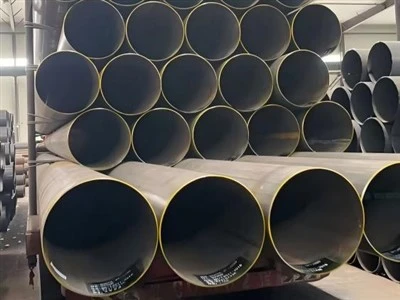
In the realm of industrial building construction, the choice of materials is a critical decision that can significantly impact the structural integrity, durability, and cost - effectiveness of a project. One material that has gained considerable attention in recent years is ASTM A500 hollow sections. As a supplier of ASTM A500 hollow sections, I am well - versed in the properties and applications of these products, and I believe it is essential to explore whether they are truly suitable for industrial building construction.
Understanding ASTM A500 Hollow Sections
ASTM A500 is a standard specification for cold - formed welded and seamless carbon steel structural tubing in round, square, and rectangular shapes. These hollow sections are known for their high strength - to - weight ratio, which makes them an attractive option for various construction projects. The standard covers four grades (A, B, C, and D), each with different yield and tensile strength requirements, allowing for a wide range of applications based on the specific needs of the project.


The manufacturing process of ASTM A500 hollow sections involves cold - forming, which results in a more precise shape and dimension compared to hot - rolled sections. This precision is crucial in industrial building construction, where accurate fitting and alignment of structural components are essential for the overall stability of the building.
Advantages of ASTM A500 Hollow Sections in Industrial Building Construction
1. High Strength - to - Weight Ratio
One of the most significant advantages of ASTM A500 hollow sections is their high strength - to - weight ratio. This means that they can carry heavy loads while minimizing the overall weight of the structure. In industrial buildings, where large spans and high - bay areas are common, using ASTM A500 hollow sections can reduce the amount of steel required, leading to cost savings in both material and transportation. For example, in a large - scale warehouse construction, the use of these hollow sections for columns and beams can support the heavy roof loads without adding excessive weight to the foundation.
2. Versatility in Design
ASTM A500 hollow sections come in a variety of shapes (round, square, and rectangular), which provides architects and engineers with greater design flexibility. They can be used in different structural configurations, such as frames, trusses, and braces, to meet the specific architectural and functional requirements of industrial buildings. The ability to use these sections in complex designs allows for the creation of unique and efficient industrial spaces. For instance, in a modern manufacturing facility, rectangular hollow sections can be used to create a modular framework that can be easily adapted to different production layouts.
3. Corrosion Resistance
Many ASTM A500 hollow sections can be coated or galvanized to enhance their corrosion resistance. In industrial environments, where exposure to moisture, chemicals, and other corrosive agents is common, this property is crucial for the long - term durability of the structure. A well - protected ASTM A500 hollow section can withstand harsh conditions, reducing the need for frequent maintenance and replacement. For example, in a chemical processing plant, galvanized ASTM A500 hollow sections can be used to construct the support structures, ensuring the safety and longevity of the building.
4. Ease of Fabrication and Installation
Cold - formed ASTM A500 hollow sections are relatively easy to fabricate and install. They can be cut, welded, and bolted on - site, which simplifies the construction process and reduces labor costs. The precision of the sections also means that they can be quickly assembled, leading to shorter construction times. In a time - sensitive industrial project, such as a new factory construction, the ease of installation of ASTM A500 hollow sections can help the project stay on schedule.
Challenges and Considerations
1. Fire Resistance
One of the challenges of using ASTM A500 hollow sections in industrial building construction is their relatively low fire resistance compared to some other structural materials. Steel loses its strength at high temperatures, and in the event of a fire, the structural integrity of the building may be compromised. To address this issue, fire - resistant coatings or insulation can be applied to the hollow sections. However, this adds to the overall cost and complexity of the project. Architects and engineers need to carefully consider the fire safety requirements of the industrial building and design appropriate fire - protection measures.
2. Connection Design
Proper connection design is crucial when using ASTM A500 hollow sections. The connections between the sections need to be strong enough to transfer the loads effectively and maintain the structural stability of the building. Designing and fabricating these connections can be more complex than in traditional steel structures, especially in cases where the sections are subjected to complex loading conditions. Engineers need to have a thorough understanding of the behavior of these connections to ensure the safety of the structure.
Comparison with Other Hollow Section Standards
En 10210 Hot Finished Hollow Section
The En 10210 Hot Finished Hollow Section is a European standard for hot - finished structural hollow sections. While both ASTM A500 and En 10210 sections are used in construction, they have some differences. En 10210 sections are hot - finished, which means they may have a rougher surface finish compared to the cold - formed ASTM A500 sections. However, hot - finished sections may have better mechanical properties in some cases, such as higher toughness. The choice between the two depends on the specific requirements of the project, including the design standards, availability of materials, and cost considerations.
ASTM A252/A252M STEEL PILE PIPE
ASTM A252/A252M STEEL PILE PIPE is a standard for steel pipe piles used in foundation construction. Although it is also a hollow section, its primary application is different from ASTM A500. ASTM A252 pipes are designed to be driven into the ground to support the weight of the building, while ASTM A500 sections are used more for above - ground structural components. However, in some industrial projects where deep foundations are required, both types of sections may be used in combination.
AS/NZS 1163 C450L0 HOLLOW SECTIONS
The AS/NZS 1163 C450L0 HOLLOW SECTIONS is an Australian and New Zealand standard for structural steel hollow sections. Similar to ASTM A500, these sections are used in a variety of construction applications. The main difference lies in the specific mechanical properties and dimensional tolerances defined by the standards. The choice between ASTM A500 and AS/NZS 1163 C450L0 sections depends on the geographical location of the project and the local building codes.
Conclusion
In conclusion, ASTM A500 hollow sections are generally suitable for industrial building construction due to their high strength - to - weight ratio, versatility in design, corrosion resistance, and ease of fabrication and installation. However, challenges such as fire resistance and connection design need to be carefully addressed. When compared to other hollow section standards, ASTM A500 offers unique advantages and can be a cost - effective and reliable choice for many industrial projects.
If you are involved in an industrial building construction project and are considering using ASTM A500 hollow sections, I encourage you to reach out for more information. Our team of experts can provide detailed technical support and help you make the best decision for your project. Whether you need advice on material selection, design considerations, or fabrication techniques, we are here to assist you. Contact us to start a procurement discussion and find out how our ASTM A500 hollow sections can meet your specific needs.
References
- ASTM International. (2023). ASTM A500/A500M - 22a Standard Specification for Cold - Formed Welded and Seamless Carbon Steel Structural Tubing in Rounds and Shapes.
- European Committee for Standardization. (2019). EN 10210 - 1:2006+A1:2009 Hot finished structural hollow sections of non - alloy and fine grain steels - Part 1: Technical delivery conditions.
- ASTM International. (2023). ASTM A252/A252M - 21 Standard Specification for Welded and Seamless Steel Pipe Piles.
- Standards Australia/Standards New Zealand. (2019). AS/NZS 1163:2019 Structural steel hollow sections.