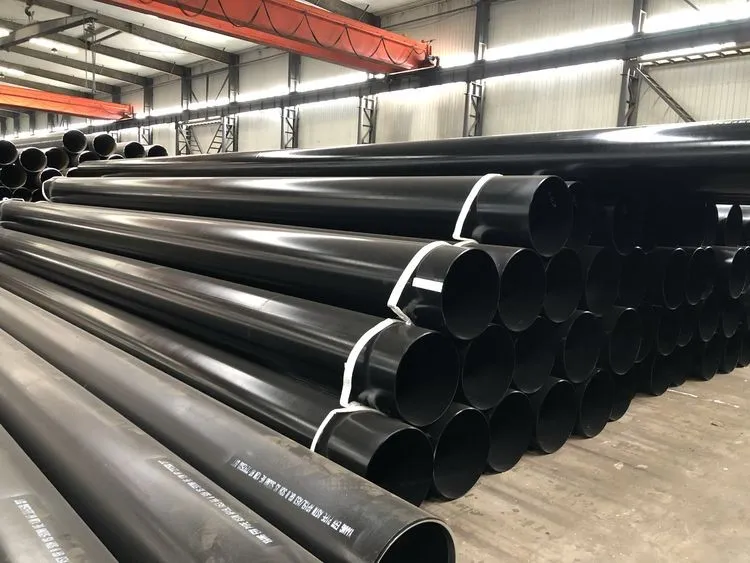
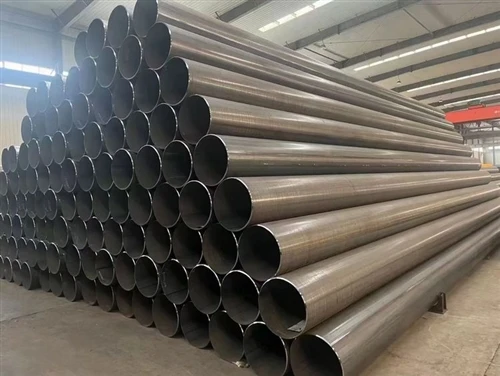
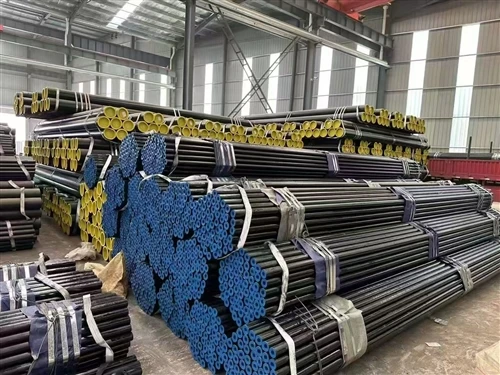
The yield strength of API 5L X52 PSL2 is a critical parameter in the oil and gas industry, particularly for pipeline applications. API 5L X52 PSL2 is a grade of steel pipe specified by the American Petroleum Institute (API) for use in oil and gas transportation. The yield strength of this material is typically around 52,000 psi (358 MPa), which contributes to its popularity in various pipeline projects worldwide. Understanding the yield strength and other properties of API 5L X52 PSL2 is essential for engineers and project managers involved in pipeline design and construction.
What are the key differences between API 5L PSL1 and PSL2?
API 5L is a specification that covers seamless and welded steel line pipe for use in conveying gas, water, and oil in both the oil and natural gas industries. The specification includes two product specification levels (PSL): PSL1 and PSL2. While both levels are used in pipeline applications, there are several key differences between API 5L PSL1 and PSL2 that are important to understand.
1. Manufacturing Process: PSL2 pipes are subject to more stringent manufacturing requirements compared to PSL1. This includes tighter controls on chemical composition, mechanical properties, and non-destructive testing.
2. Chemical Composition: PSL2 pipes have more restrictive limits on certain elements in their chemical composition. For example, the maximum carbon equivalent (CE) for PSL2 is lower than that for PSL1, which contributes to better weldability.
3. Mechanical Properties: PSL2 pipes generally have higher strength requirements and tighter tolerances on mechanical properties such as yield strength, tensile strength, and elongation.
4. Testing Requirements: PSL2 pipes undergo more extensive testing than PSL1 pipes. This includes mandatory Charpy V-notch impact testing to ensure toughness, as well as more comprehensive non-destructive examination (NDE) requirements.
5. Traceability: PSL2 pipes have stricter traceability requirements, ensuring that each pipe can be traced back to its heat of manufacture and specific testing results.
6. Quality Control: PSL2 pipes are subject to more rigorous quality control measures throughout the manufacturing process, including more frequent sampling and testing.
7. End-Use Applications: Due to their higher quality standards, PSL2 pipes are often preferred for more critical applications, such as high-pressure pipelines or those in environmentally sensitive areas.
8. Cost: The additional requirements and testing for PSL2 pipes typically result in a higher cost compared to PSL1 pipes.
9. Fracture Toughness: PSL2 pipes often have higher fracture toughness requirements, which is crucial for preventing crack propagation in high-pressure applications.
10. International Acceptance: PSL2 pipes are more widely accepted in international projects and by major oil and gas companies due to their higher quality standards.
Understanding these differences is crucial for engineers and project managers when selecting the appropriate pipe specification for their pipeline projects. The choice between PSL1 and PSL2 depends on factors such as the operating pressure, environmental conditions, regulatory requirements, and the overall criticality of the pipeline system.
How does the yield strength of API 5L X52 PSL2 compare to other grades?
The yield strength of API 5L X52 PSL2 is a key factor in its performance and applications. To fully appreciate its characteristics, it's important to compare it with other grades within the API 5L specification. This comparison helps engineers and project managers make informed decisions when selecting materials for pipeline projects.
1. Comparison with Lower Grades:
API 5L X52 PSL2 has a higher yield strength compared to lower grades such as X42 and X46. For instance, X42 has a minimum yield strength of 42,000 psi (290 MPa), while X46 has a minimum yield strength of 46,000 psi (317 MPa). The higher yield strength of X52 (52,000 psi or 358 MPa) allows for thinner pipe walls while maintaining the same pressure rating, potentially reducing material costs and weight.
2. Comparison with Higher Grades:
When compared to higher grades like X60, X70, or X80, the X52 grade has a lower yield strength. For example, X60 has a minimum yield strength of 60,000 psi (414 MPa), X70 has 70,000 psi (483 MPa), and X80 has 80,000 psi (552 MPa). These higher-grade materials are often used in high-pressure applications or where weight reduction is critical.
3. Balancing Strength and Weldability:
One advantage of X52 over higher grades is its excellent weldability. As the yield strength increases in higher grades, the carbon equivalent typically increases, which can make welding more challenging and require more specialized procedures.
4. Toughness Considerations:
X52 PSL2 often provides a good balance between strength and toughness. While higher grades may offer greater strength, they may have reduced toughness, which is crucial for crack arrest properties in pipeline applications.
5. Cost-Effectiveness:
X52 is often considered a cost-effective option for many pipeline projects. It provides sufficient strength for many applications without the premium cost associated with higher-grade materials.
6. Availability and Manufacturing:
X52 is widely available and can be manufactured by many steel mills worldwide. This availability can lead to more competitive pricing and shorter lead times compared to some of the higher grades.
7. Corrosion Resistance:
While the yield strength doesn't directly correlate with corrosion resistance, the X52 grade allows for various corrosion-resistant coatings and treatments to be applied effectively.
8. Fatigue Performance:
The moderate yield strength of X52 contributes to good fatigue performance in cyclic loading conditions, which can be important in certain pipeline applications.
9. Strain Capacity:
X52 typically offers good strain capacity, which is important for pipeline installations in areas prone to ground movement or seismic activity.
10. International Standards:
The X52 grade is recognized in international standards beyond API, such as ISO 3183, making it suitable for global projects.
Understanding how API 5L X52 PSL2 compares to other grades is crucial for optimizing pipeline design and material selection. While higher grades offer greater strength, X52 provides a balanced combination of strength, weldability, and cost-effectiveness that makes it suitable for a wide range of pipeline applications.
What are the key applications of API 5L X52 PSL2 in the oil and gas industry?
API 5L X52 PSL2 is a versatile grade of steel pipe that finds numerous applications in the oil and gas industry. Its combination of strength, weldability, and cost-effectiveness makes it a popular choice for various projects. Understanding its key applications helps illustrate why this grade is so widely used in the industry.
1. Onshore Oil and Gas Pipelines:
One of the primary applications of API 5L X52 PSL2 is in onshore oil and gas transmission pipelines. These pipelines transport crude oil, natural gas, and refined products over long distances, often spanning hundreds or thousands of miles. The X52 grade provides sufficient strength to handle the operating pressures typically encountered in these systems while offering good weldability for field construction.
2. Gathering Lines:
In oil and gas fields, gathering lines collect production from individual wells and transport it to central processing facilities. X52 PSL2 pipes are often used in these systems due to their ability to handle the varied pressures and flow rates encountered in gathering operations.
3. Distribution Networks:
Natural gas distribution networks in urban and suburban areas often utilize X52 PSL2 pipes. These systems operate at lower pressures than transmission pipelines but require reliable and durable materials to ensure safe distribution to end-users.
4. Offshore Pipelines:
While higher grades are often used for deep-water applications, X52 PSL2 finds use in shallow water and near-shore pipeline systems. Its combination of strength and toughness makes it suitable for the dynamic loading conditions encountered in offshore environments.