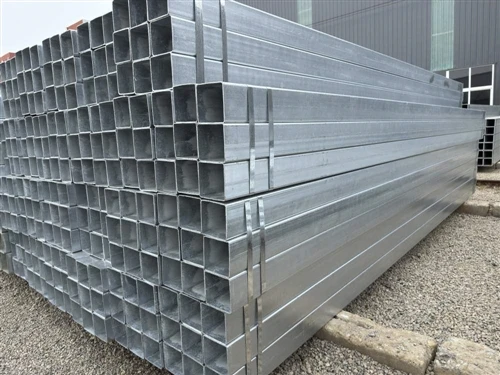
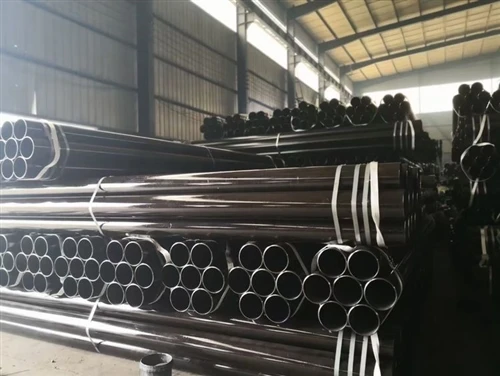
The PSL (Product Specification Level) in API 5L pipe is a crucial designation that defines the quality requirements and manufacturing standards for line pipes used in the oil and gas industry. API 5L, which stands for American Petroleum Institute Specification 5L, is the most widely recognized standard for line pipe production worldwide. The PSL level, either API 5L PSL 1 pipe or PSL 2, indicates the specific set of technical requirements that the pipe must meet, including chemical composition, mechanical properties, and testing procedures.
What are the differences between PSL 1 and PSL 2 in API 5L?
The distinction between PSL 1 and PSL 2 in API 5L specifications is significant and impacts various aspects of pipe manufacturing and quality control. PSL 2 generally represents a higher level of requirements and more stringent quality control measures compared to PSL 1.
One of the primary differences lies in the chemical composition requirements. PSL 2 pipes have tighter restrictions on the maximum carbon equivalent (CE) values, which directly affects the pipe's weldability and overall performance in high-stress environments. For instance, PSL 2 pipes typically have a lower maximum CE value, ensuring better weldability and reduced susceptibility to hydrogen-induced cracking.
Another key distinction is in the mechanical property requirements. PSL 2 pipes must meet more stringent criteria for yield strength, tensile strength, and elongation. This ensures higher performance and reliability in demanding applications. Additionally, PSL 2 pipes undergo more extensive testing, including mandatory Charpy V-notch impact tests to evaluate low-temperature toughness, which is not always required for API 5L PSL 1 pipes.
The manufacturing process for PSL 2 pipes also involves more rigorous quality control measures. For example, PSL 2 requires 100% non-destructive inspection of the pipe body and weld seams, whereas PSL 1 may allow for partial inspection. This heightened level of scrutiny helps to ensure a higher degree of consistency and reliability in PSL 2 pipes.
Furthermore, PSL 2 pipes have stricter tolerances for dimensional properties such as diameter, wall thickness, and straightness. This precision is crucial for applications where exact fitting and alignment are critical, such as in offshore pipelines or high-pressure transmission lines.
It's worth noting that while PSL 2 pipes offer enhanced performance characteristics, they also come with higher production costs due to the additional testing and quality control measures required. Therefore, the choice between PSL 1 and PSL 2 often depends on the specific project requirements, operating conditions, and budget considerations.
It's worth noting that the choice between PSL 1 and PSL 2 pipes is not always straightforward and depends on various factors beyond just the application. These factors include local regulations, client specifications, and specific project requirements. In some cases, operators may choose to use PSL 1 pipes even in applications where PSL 2 would typically be specified, provided they can demonstrate through engineering analysis that the PSL 1 pipes meet all necessary safety and performance criteria.
While PSL 1 pipes may have less stringent requirements in some areas compared to PSL 2, it's important to emphasize that they are still manufactured to high standards and undergo significant quality control measures. The API 5L specification ensures that even PSL 1 pipes meet rigorous requirements for chemical composition, mechanical properties, and dimensional tolerances.
In conclusion, API 5L PSL 1 pipes play a vital role in the oil and gas industry, offering a cost-effective solution for many standard applications. Their use in gathering systems, water injection operations, secondary recovery projects, and low-pressure distribution networks demonstrates their versatility and importance in the industry. By carefully considering the specific requirements of each project, engineers and operators can make informed decisions about when PSL 1 pipes are the most appropriate choice, balancing performance needs with economic considerations.