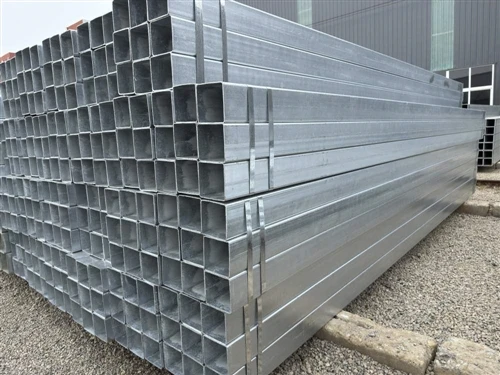
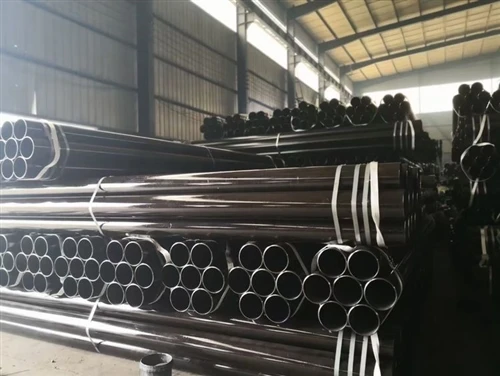
Sandblasting, also known as shot peening, is a process in which high-speed abrasive particles are propelled onto the surface of seamless steel pipes using compressed air. This impact and friction effectively remove oxide layers, rust, oil stains, and old coatings. Additionally, sandblasting improves surface roughness, which enhances coating adhesion and overall surface texture.
Brisk Steel is professional SMLS pipes manufacturer, for more details, please contact:sales@briskmetal.com
Key Purposes of Sandblasting for SMLS Pipes
Surface Cleaning – Removes oxidation scale, rust, and oil stains.
Improved Coating Adhesion – Increases surface roughness, ensuring better adhesion for coatings.
Enhanced Surface Texture – Creates a more uniform and refined surface.
Stress Relief – Helps eliminate residual stresses from the manufacturing process.
Core Parameters of the Sandblasting Process
Abrasive Selection
Quartz Sand – Used for rough surface treatment.
Alumina – Suitable for precision treatment.
Glass Beads – Ideal for polishing and refining the surface.
Steel Shot – Used for strengthening and improving durability.
Key Process Parameters
Sandblasting Pressure: 0.4–0.8 MPa
Spraying Angle: 45°–75°
Spraying Distance: 100–300 mm
Movement Speed: Uniform operation for consistent surface treatment
Sandblasting Process for SMLS Pipes
1. Preprocessing Stage
Site Preparation: Ensure the sandblasting area is clean and free from obstructions.
Equipment Check: Inspect the sandblasting machine, air compressor, and spray gun for proper functionality.
Abrasive Selection: Choose the appropriate abrasive based on the required surface treatment.
Protective Measures: Operators must wear protective clothing, gloves, masks, and other safety gear.
2. Sandblasting Operation
Parameter Adjustment: Set sandblasting pressure, angle, and distance according to the material and specifications of the pipe.
Surface Treatment: Operate the sandblasting gun to evenly treat the pipe surface, removing impurities and preparing it for further processing.
3. Post-Processing
Cleaning: Remove residual abrasives from the pipe surface.
Inspection: Verify that the sandblasting results meet the required standards.
Coating Application (If Needed): Apply protective coatings to enhance corrosion resistance.
Main Applications of Sandblasting for SMLS Pipes
Oil & Gas Industry – Cleaning and preparing oil casings and pipelines.
Chemical Industry – Surface treatment for chemical processing equipment and pipelines.
Shipbuilding Industry – Cleaning and treating hulls, decks, and other structural components.
Machinery Manufacturing – Preparation of mechanical parts and industrial equipment.
Construction Industry – Surface treatment of steel structures and building pipelines.
Precautions for Sandblasting
Safety Measures: Operators must undergo professional training and follow safety protocols to prevent accidents.
Environmental Considerations: Implement dust removal and noise reduction measures to minimize environmental impact.
Abrasive Selection: Choose the right abrasive to avoid excessive surface damage or inadequate treatment.
Parameter Control: Adjust pressure, angle, and distance to optimize the sandblasting effect based on specific requirements.
By following proper sandblasting procedures, seamless steel pipes achieve enhanced durability, better coating adhesion, and improved performance in demanding industrial applications.