The Short Answer
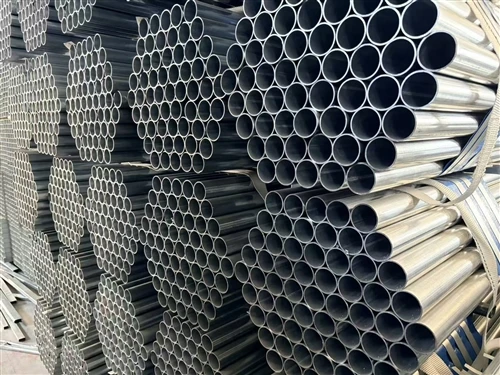
Hot-dip galvanized pipe and cold galvanized pipe both carry a zinc coating, but they are two different protection systems.
- Hot-dip galvanized pipe is immersed in molten zinc at roughly 450 C. The zinc reacts with the steel and forms a metallurgically bonded, multi-layer coating, typically about 50 to 100 micrometres thick, applied to both the outside and the inside of the pipe.
- Cold galvanized pipe, in the pipe trade usually meaning electro-galvanized pipe, receives a thin zinc deposit of a few micrometres (commonly around 5 to 15 micrometres) from an electroplating bath. The zinc sits on the surface without forming the alloy layers seen in hot-dip work.
That difference in zinc thickness and bonding explains almost everything else: service life, price, appearance and the places where each pipe is safe to use. The sections below explain the process, compare the two side by side, and finish with a step-by-step buying guide for engineers, contractors and purchasers.
How Hot-Dip Galvanizing Works
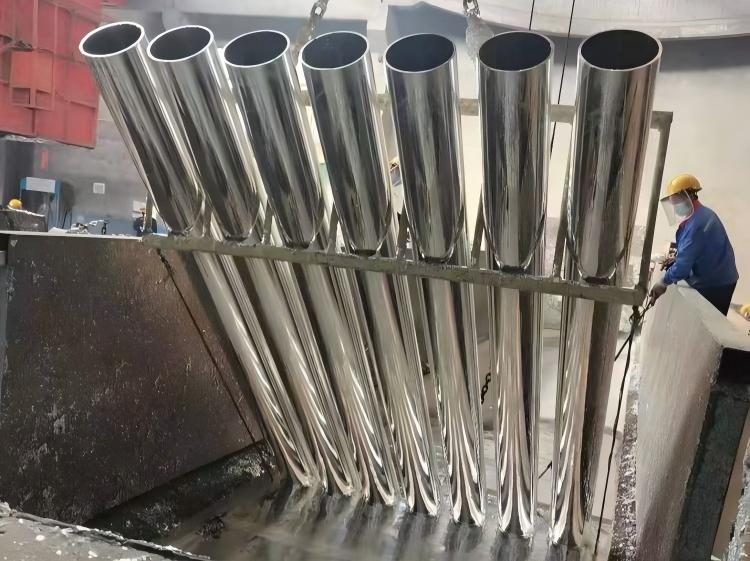
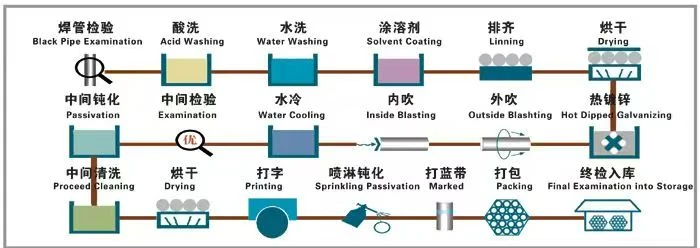
Hot-dip galvanizing is a batch or continuous immersion process. A typical sequence for pipe is:
- Degreasing: alkaline cleaning removes oil and grease.
- Pickling: dilute acid removes rust and mill scale and leaves a chemically clean steel surface.
- Fluxing: a zinc ammonium chloride flux prevents oxidation before dipping and helps the zinc wet the steel.
- Drying: the flux-coated pipe is dried to avoid splashing when it enters the zinc bath.
- Dipping: the pipe is lowered into a bath of molten zinc at around 450 C. The molten zinc fills the bore and coats the outside simultaneously.
- Withdrawal and finishing: excess zinc is removed, and the pipe is air cooled or quenched. Inside surfaces are cleared by blowing or draining.
- Inspection: coating thickness, appearance and adhesion are checked.
How Cold (Electro) Galvanizing Works
Cold galvanizing in pipe supply usually means electroplating. The steel pipe becomes the cathode in a zinc salt solution, and an electric current deposits metallic zinc onto the surface.
- Degreasing and pickling (as above) to clean the steel.
- Electroplating: zinc ions are deposited onto the pipe surface under controlled current.
- Passivation: a chromate or chromium-free conversion layer is applied, which gives the finish its bright, silvery, bluish or slightly yellow tone and a basic degree of extra protection.
- Rinsing and drying.
The coating is thin and uniform on exposed outer surfaces, but it does not form an iron-zinc alloy layer, so the bond is purely a deposited film. On long, narrow pipe, inside coverage is limited and uneven because the plating solution and current struggle to reach the bore.
A terminology warning: the phrase "cold galvanizing" is also used in other industries for zinc-rich paint applied by brush or spray. That is a separate repair or touch-up product, not electro-galvanized pipe. When you read a quotation, check which one is meant.
Hot-Dip vs Cold Galvanized Pipe: Side-by-Side Comparison
Hot-dip pipe carries roughly ten times the zinc of electro-galvanized pipe, and that gap drives most of the differences below.
|
Feature |
Hot-dip galvanized pipe |
Cold (electro) galvanized pipe |
|---|---|---|
|
Process |
Immersion in molten zinc |
Electroplating in zinc solution |
|
Bonding |
Metallurgical alloy layers plus pure zinc |
Surface deposit, no alloy layer |
|
Typical zinc thickness |
About 50 to 100 micrometres or more |
About 5 to 15 micrometres |
|
Inside protection |
Continuous coverage inside and outside |
Limited and uneven inside |
|
Adhesion and abrasion |
Strong, tolerates rough handling |
Weaker, easier to scratch through |
|
Appearance |
Grey, slightly rough, spangle possible |
Bright, smooth, uniform |
|
Corrosion life outdoors |
Decades in many environments |
Often short; red rust can appear in months |
|
Typical price per tonne |
Higher |
Lower |
|
Maintenance |
Low |
Higher or not suitable |
Performance in Practice
Corrosion Resistance
Zinc protects steel in two ways. It forms a barrier that keeps water and oxygen away, and it acts as a sacrificial anode, corroding in preference to the steel if the coating is scratched. A thicker zinc layer simply lasts longer, because the zinc is consumed gradually at a rate set by the environment.
- In a neutral salt spray test, electro-galvanized parts typically show white corrosion products in a matter of hours to a few days depending on passivation, while hot-dip coatings withstand a far longer exposure. Test results vary by standard and coating specification, so compare reports rather than rely on general figures.
- In outdoor, humid, coastal or buried conditions, a thin electroplated layer is consumed quickly and the steel underneath starts to rust.
Mechanical Behaviour and Fabrication
- Bending and forming: the thin electro layer follows the steel without much damage, but it also offers little protection afterwards. Hot-dip pipe is usually galvanized after fabrication, or bent with care to avoid cracking the coating.
- Threading: clean threads on galvanized pipe may need touch-up at the cut. Cold galvanized pipe threads are easier to cut but protect less.
- Welding: zinc vaporises when heated. Both types need grinding of the weld zone, good ventilation and a repair coating afterwards, and welders should avoid breathing zinc fume.
Appearance
Many buyers equate bright and shiny with high quality. In galvanized pipe this is often the reverse. A bright silver look is usually a sign of a thin electroplated layer with passivation, while a grey, slightly dull surface is typical of hot-dip zinc. Appearance alone is not a reliable quality test.
Choosing the Right Pipe by Application
Use hot-dip pipe wherever the pipe is outdoors, wet, buried or hard to maintain; cold galvanized pipe suits only dry, indoor, light-duty or short-term work.
|
Application |
Recommended |
Reason |
|---|---|---|
|
Outdoor steel structures, fences, canopies |
Hot-dip galvanized |
Long life under rain and sun |
|
Greenhouse and agricultural frames |
Hot-dip galvanized |
Humidity and ground contact |
|
Fire sprinkler and fire protection lines |
Hot-dip galvanized (subject to local code) |
Durable inner and outer protection |
|
Scaffolding and temporary outdoor works |
Hot-dip galvanized where reuse and exposure are long |
Abrasion resistance and reuse |
|
Buried or splash-zone pipes |
Hot-dip galvanized, often with extra coating |
Higher corrosion pressure |
|
Indoor dry light frames, shelves, furniture |
Cold galvanized acceptable |
Low corrosion risk, appearance matters |
|
Short-term indoor temporary supports |
Cold galvanized acceptable |
Cost saving, limited service life |
|
Drinking and domestic water |
Check local regulations |
Many regions restrict or phase out galvanized steel for potable water |
For structural tube applications, see our Galvanized Structural Hollow Section page. For general-purpose galvanized pipe to the ASTM family, see ASTM A53, and for temporary works see Scaffolding Pipes.
Cost vs Lifetime: Why the Cheaper Pipe Is Not Always Cheaper
Electro-galvanized pipe usually costs less per tonne, but the comparison should be made per year of service, not per tonne.
Take an illustrative outdoor handrail on a public walkway with 600 m of pipe. If the electro-galvanized option is cheaper at the start but needs repainting or replacement after 5 to 8 years, while the hot-dip option remains serviceable for 20 years or more with only inspection, the owner pays for labour, access, downtime and replacement material more than once on the cheaper pipe. The initial saving shrinks or reverses over the structure's life. Numbers will differ by region and environment, but the logic holds: the more difficult and expensive the maintenance, the stronger the case for hot-dip.
Buying Guide: How to Specify and Inspect Galvanized Pipe
Step 1: Define the service environment
Write down where the pipe will be used: indoor dry, outdoor urban, coastal, industrial, buried or immersed. The environment decides the coating type and thickness.
Step 2: Name the coating type in words and standard
Do not write only "galvanized pipe." Write "hot-dip galvanized to [standard], minimum zinc [value]" or "electro-galvanized, minimum thickness [value], for indoor use." Mention whether the zinc is required inside and outside.
Step 3: State the zinc requirement
Ask for the coating thickness (micrometres) or zinc mass (g per square metre), and specify whether it is an average or a local minimum value. For hot-dip work, many buyers reference EN ISO 1461 or the zinc mass clause of the pipe standard.
Step 4: Match the pipe standard and steel grade
Zinc protects the surface, but the pipe's strength and tolerance come from the base standard, for example ASTM A53, EN 10255, EN 10219/10210 or GB/T 3091. Confirm that the grade, wall thickness and size tolerance match the design.
Step 5: Ask for test documents
A reliable supplier provides mill certificates, coating thickness records and inspection reports. For batch orders, ask about the sampling method.
Step 6: Check on arrival
- Visual: continuous coating with no bare spots, no heavy drips, lumps or flaking, and clean ends.
- Thickness: measure with a magnetic or eddy-current gauge at several points along the pipe.
- Inside surface: inspect the bore for blockages, rough zinc or uncovered areas.
- Adhesion: a light hammer or scratch test should not lift the coating in flakes.
- Storage marks: white powdery marks on stored pipe (often called white rust) can indicate wet storage and should be dried and ventilated.
Step 7: Plan for fabrication
Tell the supplier whether pipe will be cut, welded, threaded or bent after galvanizing. This allows proper recommendations on touch-up coatings and, for structural members, whether to galvanize before or after fabrication.
Step 8: Compare quotations fairly
When two prices differ widely, the cause is often zinc thickness, process or wall thickness, not the supplier's margin. Ask each supplier to quote against the same written specification.
Common Mistakes to Avoid
- Buying on appearance. A bright finish does not prove a thick coating.
- Using electro-galvanized pipe outdoors to save budget, then paying for early replacement.
- Leaving the standard unnamed. "Galvanized" without a standard invites the thinnest acceptable option.
- Ignoring regulations. Potable water, gas and fire systems follow local codes that may restrict certain coatings.
- Skipping touch-up on cut ends and weld zones after fabrication.
Conclusion
Hot-dip galvanized pipe is the better choice for outdoor, humid, buried, fire protection and long-life structural applications, because its thick, alloy-bonded zinc layer protects inside and out for years. Cold (electro) galvanized pipe has its place in dry, indoor, light-duty or short-term use, where a clean appearance and lower initial cost matter more than service life. The right decision starts with the environment, the required life and the written specification, not with the surface colour.