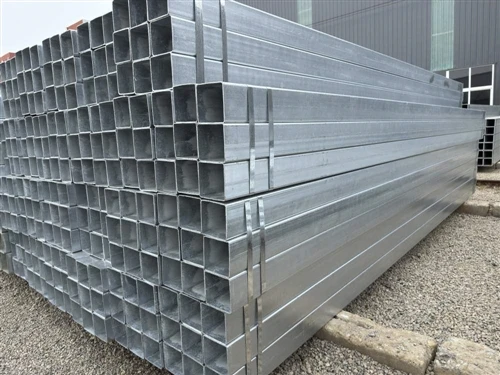
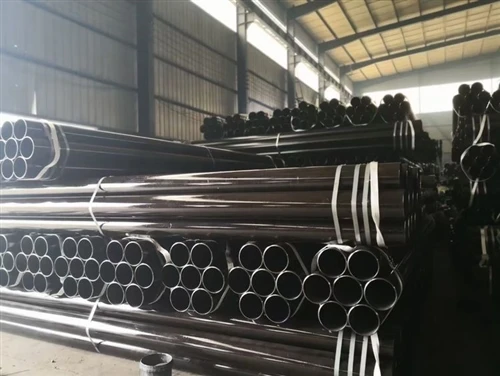
According to the AS1163 standard, hollow steel sections are classified into several grades based on different mechanical properties and application requirements. The grades mainly include C250, C350, C350L0, C450, C450L0, etc. The differences among these grades mainly lie in the yield strength, toughness, and applicable environmental conditions. The following details the characteristics and application fields of each grade:
C250
- Characteristics: Basic grade, yield strength of at least 250 MPa, suitable for general structural applications.
- Applications: Suitable for light-load or non-critical structures, such as the frames of ordinary buildings and interior decorative structural components.
C350
- Characteristics: Offers higher strength, with yield strength not less than 350 MPa, suitable for heavier loads.
- Applications: Widely used in industrial buildings, bridges, and mechanical structural components with medium loads.
C350L0
- Characteristic: The requirement for low-temperature impact toughness has been added on the basis of C350, and it is applicable to environments below 0°C.
- Application: Buildings in cold regions, offshore platforms, and structural components requiring low-temperature toughness.
C450
- Characteristics: Exhibits extremely high yield strength, at least 450 MPa, suitable for applications demanding extremely high load-bearing capacity.
- Applications: Heavy machinery, key supports for high-rise buildings, special engineering structures.
C450L0
- Characteristics: Combines the high strength of C450 with the low-temperature toughness of L0 level, suitable for extreme environments.
- Applications: Large-scale infrastructure in extremely cold regions, oil drilling platforms, wind turbine tower frames, etc.
Summary of differences among various grades:
- Strength Difference: From C250 to C450, the yield strength gradually increases, corresponding to different bearing requirements.
Toughness and Environmental
- Adaptability: The grades marked with L0 emphasize low-temperature toughness and are suitable for operations in low-temperature environments.
- Cost and Benefit: The higher the grade, the higher the material cost usually is, but it can provide better performance and is suitable for applications with strict requirements for strength and toughness.
- Design flexibility: The high-strength grade allows for thinner wall thickness designs, reducing material usage, but special requirements for processing and welding need to be taken into account.
When choosing the appropriate grade, factors such as the bearing capacity requirements of the structure, working environment, cost budget, and long-term maintenance should be comprehensively considered.