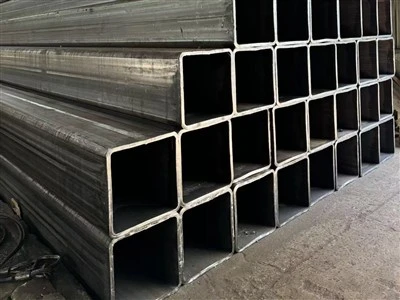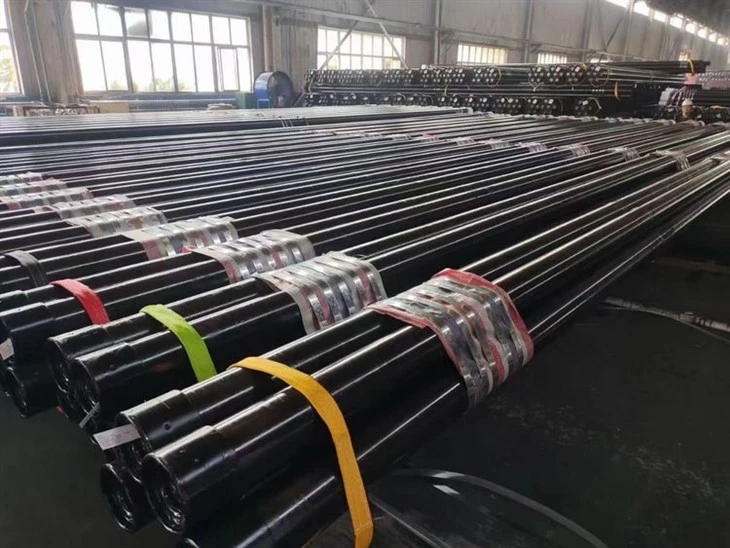
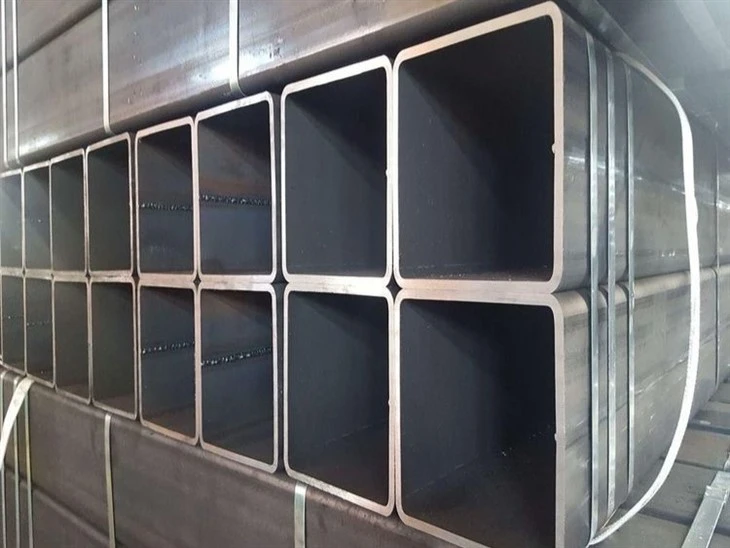
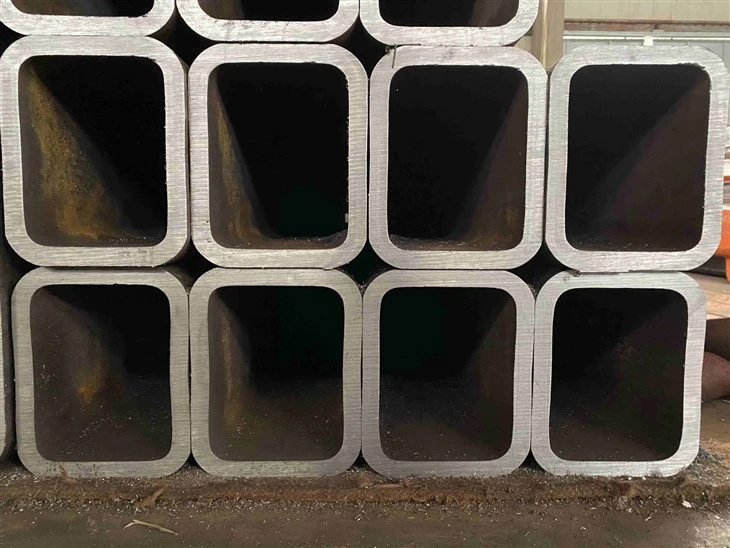
Tianjin Brisk Metalwork Co., Ltd. is one of the leading manufacturers and suppliers of coated structural hollow section in China. We have world-leading production equipment and strong manufacturing capabilities. Please feel free to buy bulk durable coated structural hollow section from our factory.
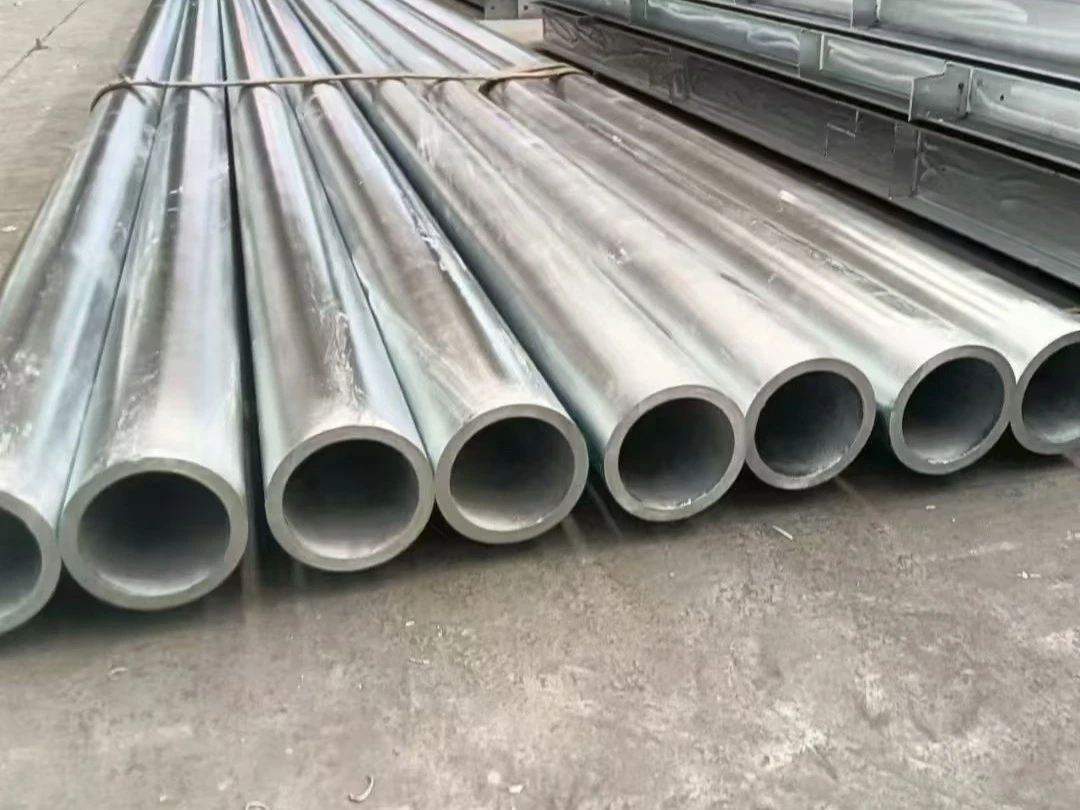
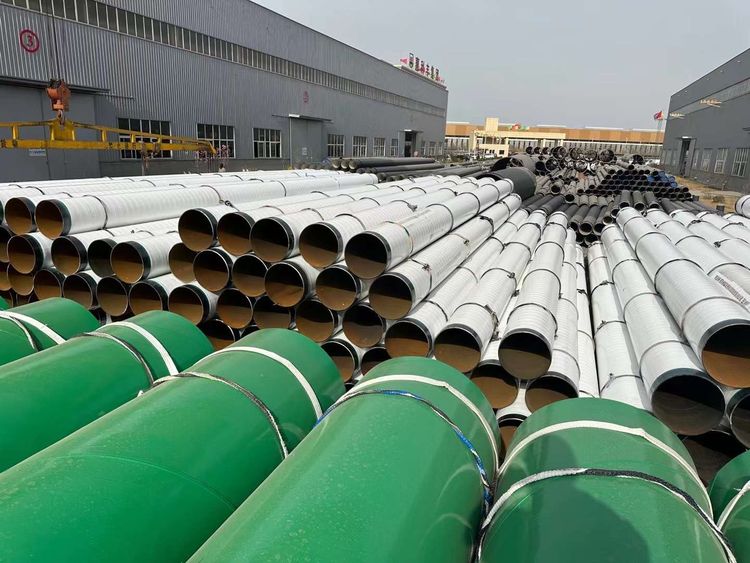
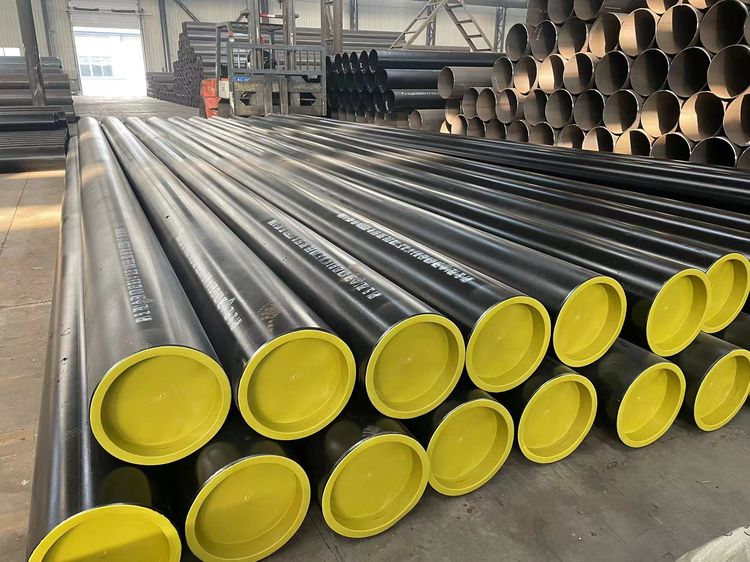
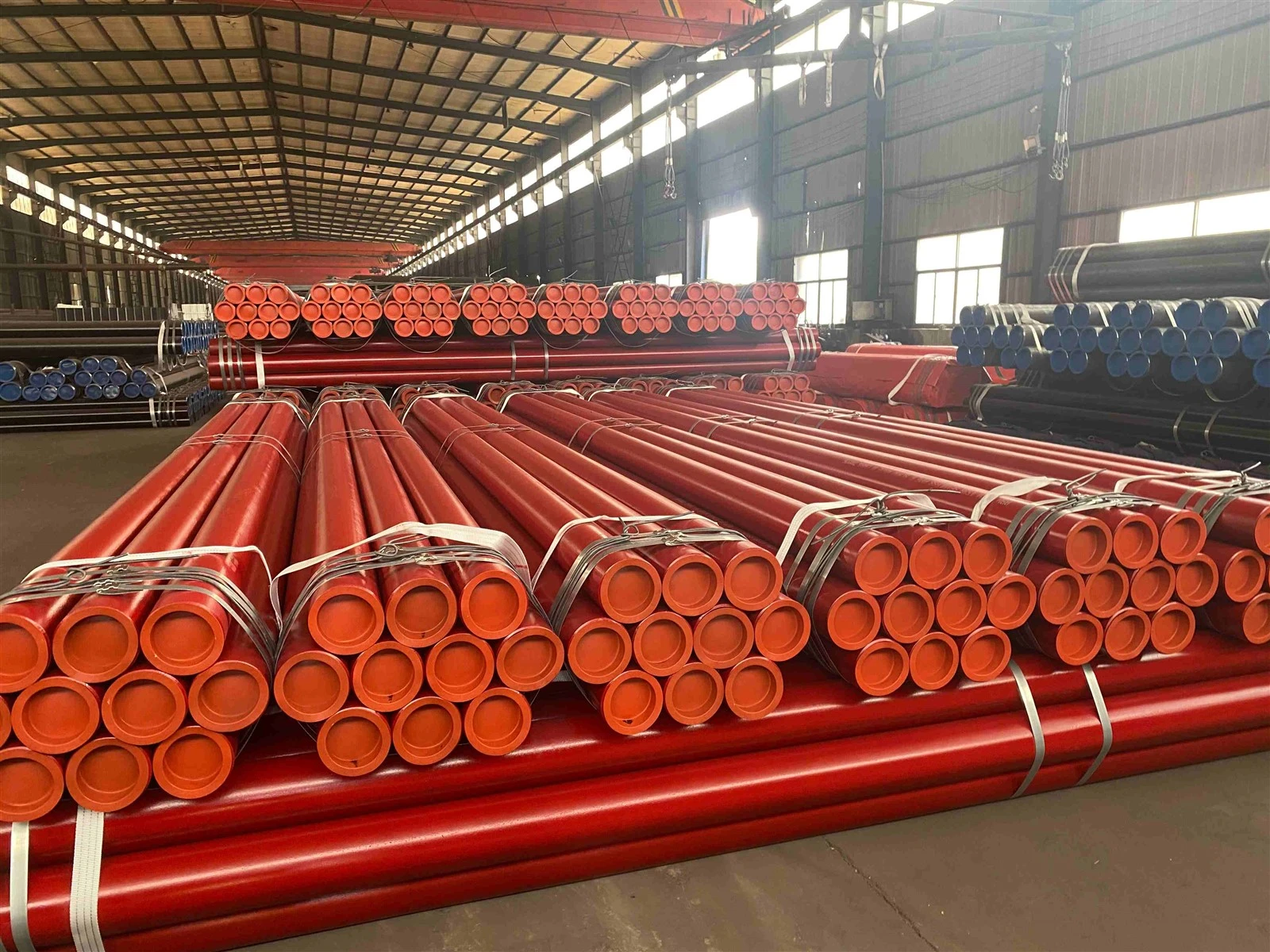
What Does "Coated" Mean for Structural Hollow Section?
"Coated" is not a single product. It is a family of finishes, and we supply three of them as standard:
| Coating route | What it is | Where it fits best |
|---|---|---|
| Hot-dip galvanized | Zinc layer formed by immersing the tube | Outdoor frames, canopies, fences, platforms |
| Painted (shop primer or paint system) | Applied film over cleaned steel | Indoor frames, members to be topcoated, colour-critical work |
| Duplex (zinc plus paint) | Galvanized tube with a paint system on top | Coastal, industrial and chemical-exposure sites |
The right choice depends on how aggressive the site environment is and how long the structure must last without major maintenance. That is the starting point of every quotation we prepare.
Which Coating Matches Your Site Environment?
Corrosion rates differ sharply between a dry warehouse and a harbour walkway. International practice groups environments into corrosivity categories (ISO 12944-2, C1 to C5, plus CX). We use that language with customers because it lets engineers, painters and suppliers talk about the same thing.
| Environment (typical) | Corrosivity category | Coating we normally propose |
|---|---|---|
| Heated, dry indoor buildings | C1 - C2 | Shop primer or light paint system |
| Urban and light-industrial outdoor | C3 | Hot-dip galvanized, or a paint system |
| Industrial areas, inland coastal zones | C4 | Galvanized plus paint (duplex) or a heavier paint system |
| Coastal, offshore, chemical plants | C5 | Duplex system with thicker paint build |
This table is a starting guide, not a design calculation. If your project specification names a category and a required durability range, send it to us and we match the system to the document rather than the other way round.
How Is the Coating Applied and Controlled?
Coating performance is decided long before the tube is coated. Our sequence:
- Surface preparation: oil, scale and rust are removed (pickling for galvanizing, blasting or mechanical cleaning for paint systems).
- Coating application: zinc immersion for galvanizing; primer and further paint coats for painted systems.
- Cure or cool-down: films are fully cured and tubes are handled without marking the surface.
- Thickness checks: coating thickness is measured on sampled tubes and recorded.
- Visual inspection: surface is checked for runs, bare spots, drips and rough zinc.
- Marking and bundling: tubes are bundled with protective separators so coatings are not scuffed in transit.
We can supply coating thickness readings together with the mill test certificate, so the paperwork follows the tube.
Why Does a Closed Section Need Special Attention?
A hollow section corrodes in two places: outside, which you can see, and inside, which you usually cannot. Protection has to account for both.
- Galvanizing coats both the inside and the outside, because the tube is immersed. That is a real advantage for sections that cannot be reached for repainting.
- Painted systems protect the outside. The interior stays as supplied unless a specific internal treatment is agreed.
- Sealed members (welded end plates, capped ends) trap no fresh air, but any moisture that gets in has nowhere to go. For members that are galvanized after fabrication, vent and drain holes let zinc and air flow freely and keep the process safe.
Tell us during enquiry whether your members will be sealed, open-ended or filled with concrete, because each condition changes what we recommend.
What Should Fabricators Plan for After Coating?
A coating protects the tube as supplied. Cutting and welding disturb it, so a sensible plan avoids surprises:
- Cut ends and weld zones need touch-up with a compatible repair system.
- Bolted connections should be designed knowing the coating adds thickness at contact faces.
- Order of work matters: if members will be welded extensively, coating after fabrication is often more durable than coating before. We will tell you honestly which route suits the drawings.
Where Is Coated Structural Hollow Section Used?
- Canopies, shelters and covered walkways
- Handrails, guardrails and balustrades
- Steel buildings, portal frames and mezzanines
- Truss structures and roof frames
- Bridges and footbridges
- Solar mounting structures and cable trays
- Fencing, gates and access platforms
- Industrial platforms and pipe racks
Where Is Painted Structural Hollow Section Used?
- Steel-frame buildings: columns, beams and bracing that are primed before erection
- Canopies, carports and walkway structures
- Trusses and roof frames with exposed members
- Mezzanines and platforms
- Machine frames and equipment skids
- Handrails, guardrails and secondary framing
- Signage and display structures
A Real Supply Example: Why Did One Coastal Order Move to Duplex?
A contractor building a covered walkway about 5 km from the coast ordered 40 posts of 100 x 100 x 4 mm S275 SHS, galvanized only. After 14 months, 9 of the 40 posts (23%) showed red rust at the bolt-hole edges and base welds, where the zinc layer had been cut and the salty air attacked the exposed steel.
For the replacement order of 40 posts we supplied the same section hot-dip galvanized with an epoxy primer and polyurethane topcoat on the outside (duplex), plus a touch-up kit for base welds. At the 36-month inspection, no post showed red rust, and the contractor repeated the system on a second walkway. The steel was the same. The difference was matching the coating to the environment.
FAQ
Q: Is a coated tube ready to weld straight away?
A: Yes, with preparation. Coating is removed by grinding in the weld zone and repaired after welding. Galvanized tube needs adequate ventilation during welding.
Q: Can I mix coating types in one order?
A: Yes. Many projects use galvanized members outdoors and primed members indoors. We can prepare both from one purchase order.
Q: Do you coat to a specific colour?
A: Painted and duplex systems can be supplied in agreed colours. Please give the colour reference when you enquire.
Q: Does coating change the dimensions?
A: Slightly. A coating adds thickness measured in micrometres. Where tight fit-up matters, mention it so we can plan for it.


Hot Tags: coated structural hollow section, China coated structural hollow section manufacturers, suppliers, factory